
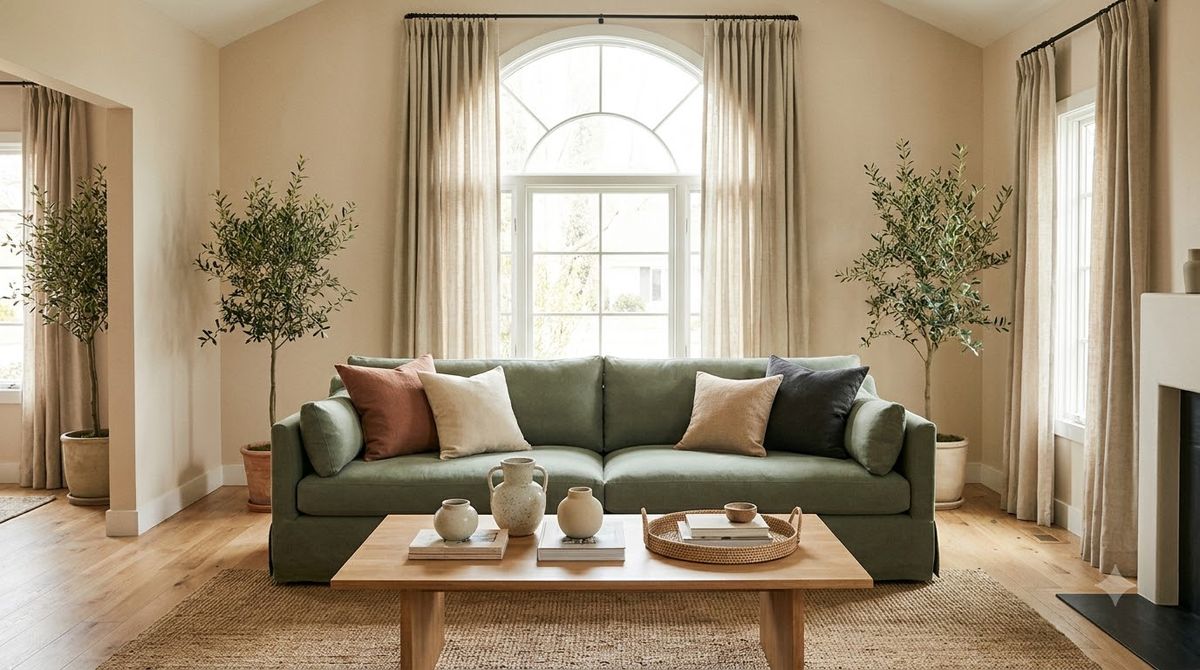
Sage green pairs best with warm neutrals (cream, oatmeal, warm white), plus terracotta, blush, navy, natural wood, brass, and matte black. Sage is a muted, gray-tinged green that reads almost like a neutral, so it plays well with warm and earthy tones and with a few sharp contrasts. Below are 12 tested palettes, each with real HEX codes, the mood it creates, and the room where it works hardest. Every pairing is Pinterest-ready and easy to copy into a paint plan.
Key Takeaways
- Safest pairing: sage green + cream / warm white (
#EDE6D6,#F5F1E6) for a calm, airy base - Warmest pairing: sage + terracotta (
#C77B58) for an earthy, grounded look - Softest pairing: sage + blush pink (
#E7C8C2) for bedrooms and nurseries - Boldest pairing: sage + navy (
#26374A) or matte black (#1E1E1C) for contrast and depth - Sage green is a cool color with warm undertones, which is why warm neutrals and wood tones suit it so well
- Benjamin Moore’s Evergreen Fog and October Mist rank among the most-searched sage paints for 2026
What Colors Go With Sage Green?
Sage green goes with cream, warm white, oatmeal, terracotta, blush, mustard, navy, natural wood, brass, and matte black. Because sage is desaturated and gray-leaning, designers treat it as a soft neutral that anchors a room rather than shouting in it (The Spruce, 2025). That flexibility is exactly why it keeps showing up on paint and Pinterest palettes.
We’ve painted sage into three rentals now, and the pattern is consistent: warm partners flatter it, cool partners can flatten it. Cream and oatmeal keep sage feeling fresh. Terracotta and wood make it feel lived-in. Navy and black give it a spine. Start with one warm neutral as your base, then add a single accent from the list.
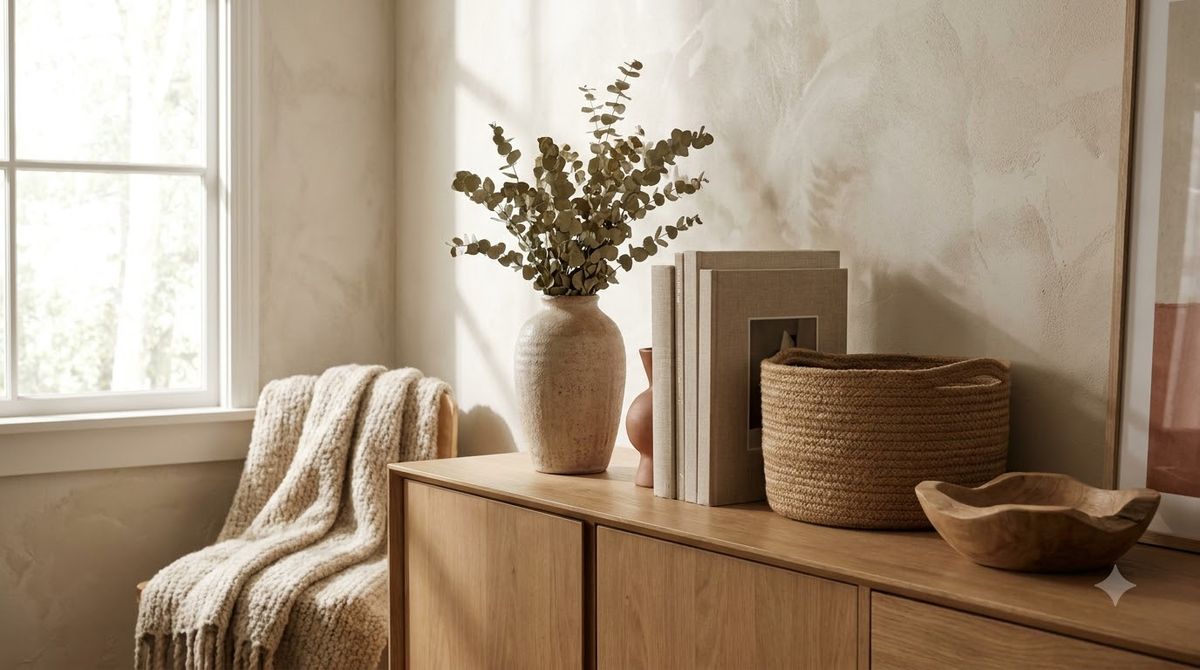
Citation capsule: Sage green pairs well with warm neutrals like cream and oatmeal, earthy tones like terracotta and mustard, and high-contrast accents like navy and matte black. Because sage is a muted, gray-tinged green, it behaves like a soft neutral and anchors a room instead of competing with other colors.
Is Sage Green Warm or Cool?
Sage green is technically a cool color with warm, earthy undertones, which is why it sits in a comfortable middle and pairs both ways. It carries gray and a touch of yellow, so it never feels icy the way a true mint or emerald can (House Beautiful, 2025). That warm undercurrent is the reason wood, brass, and terracotta look so natural beside it.
Here’s the practical test we use. Hold your sage swatch next to a pure gray and a pure olive. If it leans toward the olive, it’s a warmer sage and loves terracotta and mustard. If it leans toward the gray, it’s a cooler sage and prefers crisp white, blush, and navy. Knowing your sage’s lean makes every other choice easier.
What most guides miss: Sage shifts under changing light more than most neutrals do, because its light reflectance value (LRV) sits in a middle band where undertones swing easily. In north-facing rooms the gray reads stronger and sage can drift cool; in warm afternoon light from a south or west window it leans olive and reads warmer. Tape your swatch up and check it at morning, noon, and evening. A sage that looks perfect at noon can turn flat and gray by dusk.
What Are the Best Sage Green Color Palettes? (HEX Codes)
The best sage palettes build on one warm neutral base plus one accent, using tested HEX values so the colors actually harmonize. Below, sage green sits at roughly #9CAF88, a classic mid-sage, though real paints range from soft (#B2BDA3) to deep (#7D8B6A). Copy any row into a mood board or a paint plan.
The table gives you pairing, HEX, mood, and best room at a glance.
Pairing with sage (#9CAF88) |
Accent HEX | Mood | Best room |
|---|---|---|---|
| Cream / warm white | #F5F1E6 |
Calm, airy | Any room, small spaces |
| Oatmeal / greige | #D8CFBE |
Soft, grounded | Living room, bedroom |
| Terracotta | #C77B58 |
Earthy, warm | Living room, kitchen |
| Blush pink | #E7C8C2 |
Gentle, romantic | Bedroom, nursery |
| Mustard / ochre | #D9A441 |
Retro, cozy | Reading nook, den |
| Navy blue | #26374A |
Crisp, classic | Office, dining room |
| Natural wood (oak) | #C19A6B |
Organic, lived-in | Any room |
| Brass / gold | #B08D57 |
Warm metallic | Bathroom, living room |
| Matte black | #1E1E1C |
Modern, graphic | Kitchen, entryway |
| Charcoal gray | #4A4E4D |
Moody, refined | Bedroom, office |
| Rust / burnt orange | #A85331 |
Bold, autumnal | Living room accents |
| Dusty rose + wood | #C9A9A0 |
Cottagecore | Bedroom, nook |
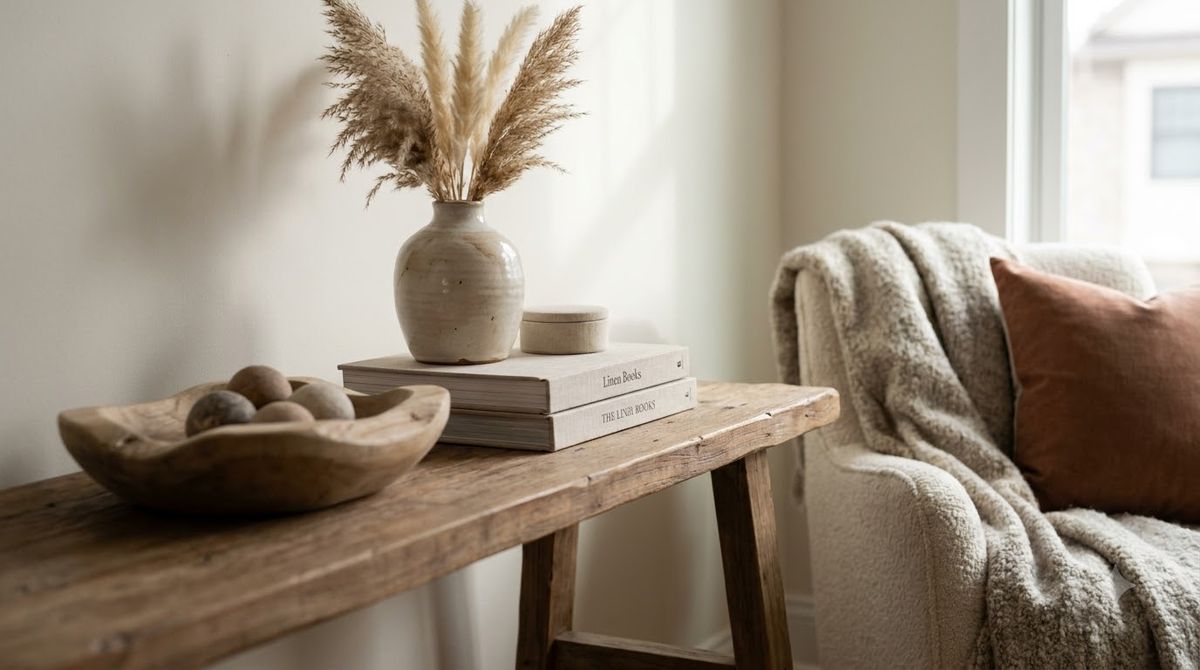
Citation capsule: A reliable sage green palette uses sage at
#9CAF88with one warm neutral base such as cream (#F5F1E6) or oatmeal (#D8CFBE), plus one accent like terracotta (#C77B58), navy (#26374A), or brass (#B08D57). Building on a single neutral base keeps multi-color schemes from looking busy.
Sage Green and Warm Neutrals (Cream, Oatmeal, Greige)
Warm neutrals are the safest partner for sage, and the pairing works in any room. Cream (#F5F1E6) and oatmeal (#D8CFBE) share sage’s soft, gray-warmed quality, so nothing fights. Use the neutral on walls and larger upholstery, then let sage come in through a headboard, cabinet, or throw. This combination is what makes a small space feel calm, which is why we lean on it in rentals and reach for it in cozy bedroom ideas.
Sage Green and Terracotta or Rust
Terracotta (#C77B58) and rust (#A85331) are sage’s most flattering warm accents, straight off the same earthy family. Green and clay sit opposite enough to feel intentional but close enough in warmth to feel cohesive. A terracotta pot, a rust cushion, or a clay lamp base grounds a sage room instantly. It’s the palette we default to for a warm, plant-filled corner, and it plays beautifully with real greenery from our bedroom plants ideas.
Sage Green and Navy or Black
For contrast and structure, sage loves navy (#26374A) and matte black (#1E1E1C). Both add a spine that keeps a soft, earthy scheme from feeling washed out. Use navy on a dining chair or cabinet, or black on hardware, frames, and lamp bases. A little goes far: keep the dark color to roughly 10 percent of the room so sage stays the star. This trick sharpens up a gallery arrangement on any empty wall.
Sage Green and Wood or Brass
Natural wood (#C19A6B) and brass (#B08D57) are the finishing touch nearly every sage room wants. Oak, walnut, and rattan echo sage’s organic undertone, while brass adds a warm glint that cool metals can’t. This is where sage feels most expensive for the least money. Layer it onto a wood coffee table with a few warm-metal objects, using tips from our coffee table decor ideas.
What Color Goes With Sage Green Walls?
For sage green walls, choose warm white or cream trim (#F5F1E6) and layer in wood, terracotta, and cream textiles to keep the room warm and grounded. Sage walls read as a soft neutral backdrop, so almost any warm accent works; the mistake is pairing them with a cold, blue-based white that turns the green gray (House Beautiful, 2025).
Benjamin Moore’s Evergreen Fog and October Mist are two of the most-searched sage wall colors for 2026, and both flatter a warm-white trim. In a sage-walled bedroom we finished last spring, swapping a bright bluish white trim for a creamy off-white was the single change that made the walls stop looking flat. If you want the room to feel bigger, keep floors and large furniture in the cream-to-oatmeal range and let sage be the calm envelope. It’s an easy backdrop to decorate around, even in a small dorm room.
What most guides miss: Paint sheen changes sage almost as much as undertone. A flat or matte finish keeps sage soft and mutes its gray, while eggshell or satin bounces more light and can make the exact same color read a shade brighter and cooler than the swatch chip. For walls we stick with flat or eggshell and save satin for trim and doors. One pairing most guides skip entirely: sage with dusty lavender (#B7A4C9). It’s a soft, slightly unexpected combo that feels quietly cottagecore in a bedroom.
Does Sage Green Go With Gray?
Yes, sage green goes with gray, but warm grays (greige, #B8B0A1) work far better than cool blue-grays. Sage already contains gray, so a cool gray beside it can look muddy and drain both colors of life. A warm greige or a deep charcoal (#4A4E4D), by contrast, gives sage a quiet, sophisticated partner (The Spruce, 2025).
If you already have cool gray floors or a gray sofa, don’t panic. Bridge them with warm wood and cream so the two greens-and-grays don’t sit side by side unbroken. We’ve rescued more than one gray-heavy rental this way: add oatmeal textiles, an oak side table, and a couple of terracotta accents, and the sage suddenly belongs. The warm layer is what does the reconciling.
Frequently Asked Questions
What colors go with sage green?
Sage green goes with cream, warm white, oatmeal, terracotta, blush, mustard, navy, natural wood, brass, and matte black. Because sage is a muted, gray-tinged green, it acts like a soft neutral and pairs easily. The safest starting point is sage with a warm neutral base (#F5F1E6), then one accent such as terracotta (#C77B58) or navy (#26374A).
Is sage green warm or cool?
Sage green is technically a cool color, but it carries warm, earthy undertones of gray and yellow. That warm undercurrent is why it pairs so naturally with wood, brass, and terracotta, and why it never feels icy like mint or emerald. A warmer sage leans toward olive; a cooler sage leans toward gray.
What color goes with sage green walls?
Pair sage green walls with warm white or cream trim (#F5F1E6), then layer in wood, terracotta, and cream textiles. Avoid cool blue-based whites, which can make the green look flat and gray. Benjamin Moore’s Evergreen Fog and October Mist are popular sage wall colors that flatter a creamy off-white trim.
Does sage green go with gray?
Yes, but warm grays and greige (#B8B0A1) work much better than cool blue-grays beside sage. Since sage already contains gray, a cool gray can look muddy and drain both colors. A warm greige or a deep charcoal (#4A4E4D) gives sage a quiet, refined partner. Bridge cool grays with wood and cream.
Does sage green go with beige or tan?
Yes, beige and tan are among the easiest partners for sage green. Warm neutrals like oatmeal (#D8CFBE) and tan share sage’s soft, gray-warmed quality, so nothing competes. Use the neutral on walls and large furniture, then bring sage in through a headboard, cabinet, cushions, or a throw for a calm, grounded room.
What paint finish is best for sage green walls?
A flat or eggshell finish suits sage green walls best. Matte and eggshell keep sage soft and mute its gray undertone, while satin or semi-gloss bounces more light and can make the color read brighter and cooler than the swatch. Reserve satin for trim and doors, and test your sage at several times of day before you commit.