
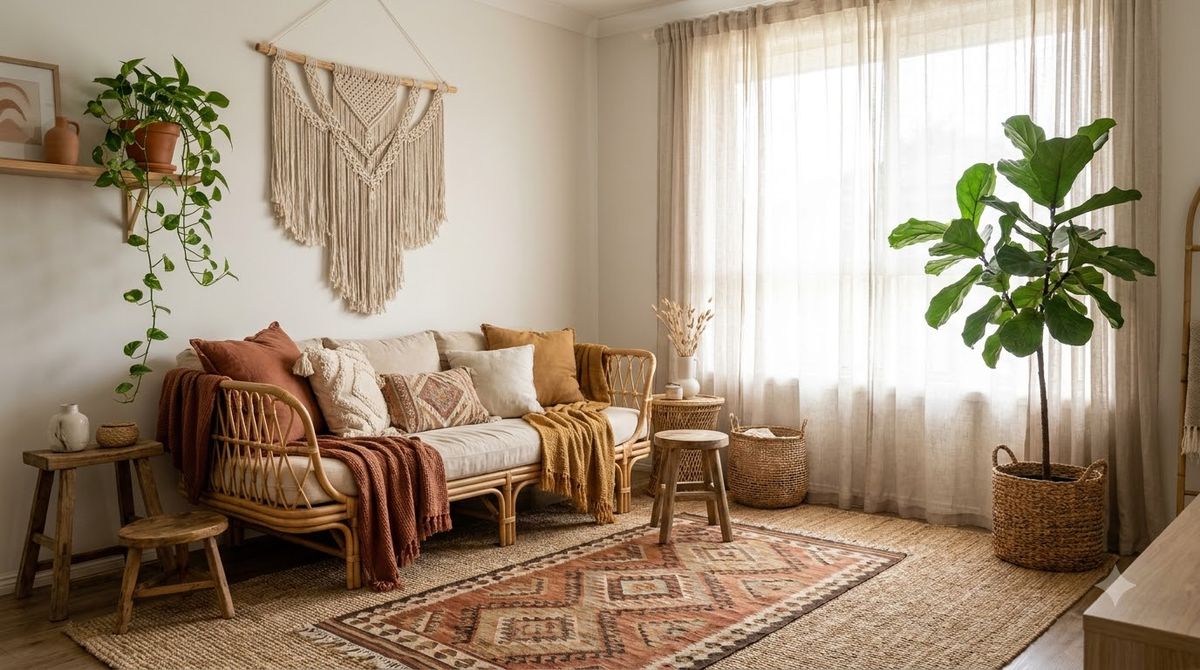
Gray pairs best with warm accents that counter its coolness: blush, mustard, terracotta, and warm wood, plus navy, sage, crisp white, black, and teal for structure. The single rule that saves a gray room is matching undertone to intent. Warm grays (greige) love earthy partners, while cool blue-grays need warm accents to avoid looking flat and cold. Below are 12 tested palettes, each with real HEX codes, the mood it creates, and the room where it works hardest. Every pairing is copy-ready for a paint plan or a palette pin.
Key Takeaways
- Warmest fix for cold gray: gray + blush (
#E7C8C2) or mustard (#D9A441) instantly adds warmth - Safest pairing: gray + crisp or warm white (
#F5F1E6) for a clean, airy base - Boldest pairing: gray + navy (
#26374A) or matte black (#1E1E1C) for depth and contrast - Undertone rule: cool blue-grays need warm accents (wood, blush, brass); warm greiges pair with almost anything
- Gray reads as either warm or cool depending on its undertone, so identify the lean before you pair
- Benjamin Moore’s Chelsea Gray and Stonington Gray rank among the most-searched grays for 2026
What Colors Go With Gray?
Gray goes with blush, mustard, terracotta, navy, sage green, teal, warm white, natural wood, brass, and matte black. Because gray is a true neutral, it acts as a blank backdrop that takes on the temperature of whatever sits beside it (The Spruce, 2025). That flexibility is also its trap: pair it with more cool tones and a room turns flat and cold.
The lesson repeats: gray needs a warm partner to feel like home. Blush and mustard bring life. Wood and terracotta ground it. Navy and black give it a spine. Start with your gray, decide if it leans warm or cool, then add one warm accent from the list before anything else.
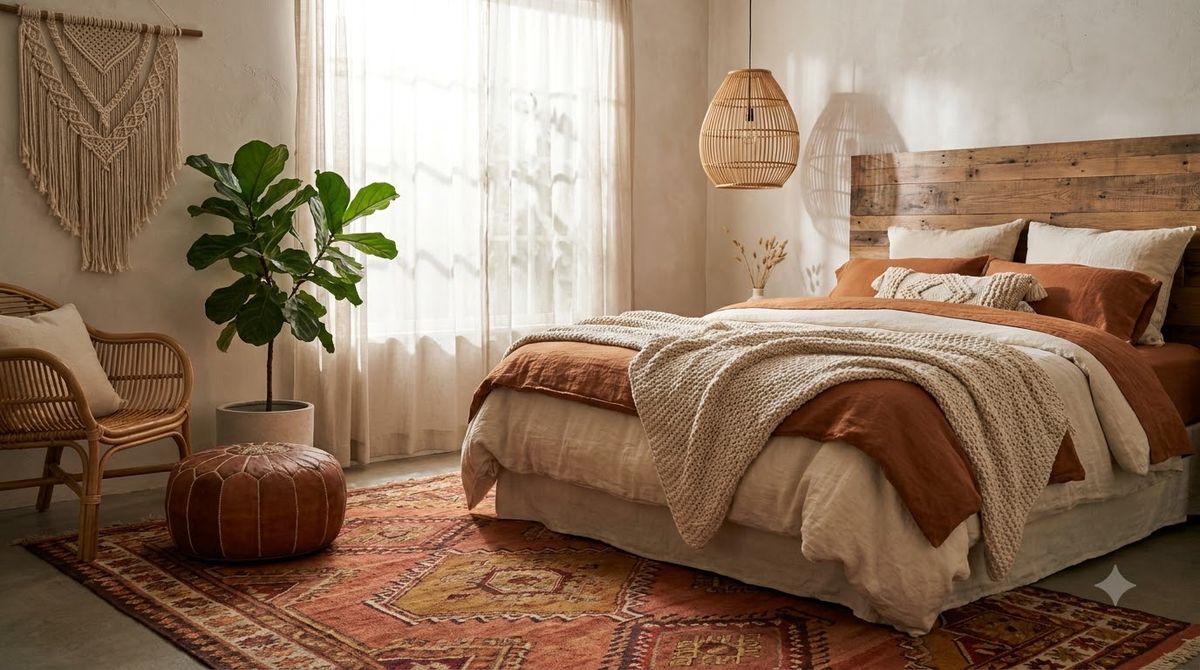
Citation capsule: Gray pairs well with warm accents like blush, mustard, and terracotta, natural partners like sage and wood, and high-contrast tones like navy and black. Because gray is a true neutral, it takes on the temperature of nearby colors, so a warm accent keeps a gray room from reading cold or flat.
Is Gray Warm or Cool?
Gray can be either warm or cool, and the undertone decides everything. Warm grays (often called greige) carry beige, brown, or violet undertones, while cool grays lean blue, green, or true silver (House Beautiful, 2025). Get the undertone wrong and even an expensive paint can read as dingy or icy on the wall.
Here’s the test we use before buying a single gallon. Hold your gray swatch against a pure white card in daylight. If the gray looks brownish or slightly pink next to the white, it’s warm, and it loves cream, wood, and blush. If it looks blue or steely, it’s cool, and it needs those warm accents even more to avoid a cold, flat feeling. This one check prevents the most common gray mistake.
Citation capsule: Gray is neither inherently warm nor cool: its undertone determines the temperature. Warm grays (greige) carry beige, brown, or violet undertones and pair with earthy tones. Cool grays lean blue or green and need warm accents like wood, blush, or brass to avoid looking flat.
How Do You Warm Up a Cold, Flat Gray Room?
To warm up a gray room, layer in wood tones, warm textiles, and one earthy accent color like blush, mustard, or terracotta. The fastest fix is swapping cool metals and stark white for warm wood and cream, which instantly shifts the room’s temperature (The Spruce, 2025). Gray goes cold when it’s surrounded by more cool tones and hard surfaces.
Picture a north-facing gray bedroom where the walls look lifeless. Three additions fix most of it: an oak nightstand, a mustard throw, and a warm-white linen duvet. Nothing on the walls changes, and the room stops feeling like a waiting area. If your gray feels flat, resist repainting first. Add wood, add one warm accent, add texture, then judge. Usually the gray was fine and the room just needed warmth around it.
What Are the Best Gray Color Palettes? (HEX Codes)
The best gray palettes build on one gray base plus one warm accent, using tested HEX values so the colors actually harmonize. Below, gray sits at roughly #9E9E9C, a balanced mid-gray, though real paints range from soft warm greige (#B8B0A1) to deep charcoal (#4A4E4D). Copy any row into a mood board or a paint plan.
The table gives you pairing, HEX, mood, and best room at a glance.
Pairing with gray (#9E9E9C) |
Accent HEX | Mood | Best room |
|---|---|---|---|
| Blush pink | #E7C8C2 |
Soft, warm | Bedroom, nursery |
| Mustard / ochre | #D9A441 |
Cozy, retro | Living room, reading nook |
| Navy blue | #26374A |
Crisp, classic | Office, dining room |
| Sage green | #9CAF88 |
Calm, organic | Bedroom, living room |
| Warm white / cream | #F5F1E6 |
Clean, airy | Any room, small spaces |
| Natural wood (oak) | #C19A6B |
Grounded, cozy | Any room |
| Matte black | #1E1E1C |
Modern, graphic | Kitchen, entryway |
| Teal | #2F6E6A |
Rich, jewel-toned | Living room, office |
| Terracotta | #C77B58 |
Earthy, warm | Living room, kitchen |
| Greige (warm gray) | #B8B0A1 |
Soft, tonal | Bedroom, hallway |
| Brass / gold | #B08D57 |
Warm metallic | Living room, bathroom |
| Dusty rose + wood | #C9A9A0 |
Cottagecore | Bedroom, nook |
Citation capsule: A reliable gray palette uses gray at
#9E9E9Cwith one warm accent such as blush (#E7C8C2), mustard (#D9A441), or warm wood (#C19A6B), plus one structural tone like navy (#26374A) or black (#1E1E1C). Building on a single gray base keeps multi-color schemes from looking cold or busy.
Gray and Blush or Dusty Rose
Blush (#E7C8C2) and dusty rose (#C9A9A0) are gray’s most reliable warmers, and the pairing suits bedrooms best. Gray gives the pink a grown-up, un-fussy backdrop, while the pink softens gray’s coolness. Use gray on walls or large upholstery, then bring blush in through bedding, a headboard, or cushions. This is our go-to rescue for a cool gray room, and it layers beautifully into cozy bedroom ideas.
Gray and Mustard or Terracotta
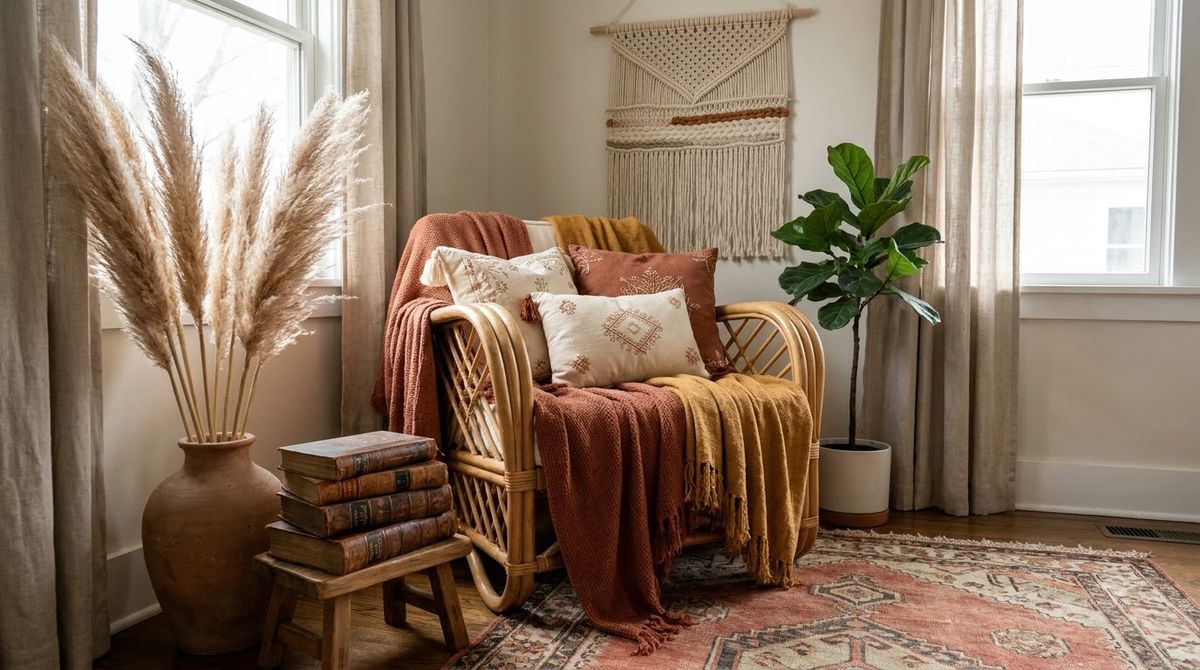
Mustard (#D9A441) and terracotta (#C77B58) are the boldest way to warm up gray, straight from the earthy family. The warmth of ochre and clay sits opposite enough to gray to feel intentional but rich enough to feel cozy. A mustard throw, a terracotta lamp base, or a clay vase grounds a gray room fast. It’s the palette we reach for when a space feels clinical, and it works with the same logic we use for colors that go with beige.
Gray and Navy or Black
For contrast and structure, gray loves navy (#26374A) and matte black (#1E1E1C). Both add a spine that keeps a soft gray scheme from feeling washed out. Use navy on a sofa or cabinet, or black on hardware, frames, and lamp bases. Keep the dark color to roughly 10 to 20 percent of the room so gray stays the calm envelope. This monochrome-plus-dark approach anchors a nordic color palette without going cold.
Gray and Wood or Brass
Natural wood (#C19A6B) and brass (#B08D57) are the finishing touch nearly every gray room wants. Oak, walnut, and rattan pull warmth into a cool scheme, while brass adds a glint that chrome and nickel can’t. This is where gray finally reads as expensive and lived-in. Layer wood and warm metal onto a coffee table, borrowing tips from our coffee table decor ideas.
What Colors Go With Gray Walls?
For gray walls, choose warm-white or cream trim (#F5F1E6) and layer in wood, blush, mustard, and cream textiles to keep the room warm and grounded. Gray walls read as a neutral backdrop, so almost any warm accent works. The mistake is surrounding them with more cool tones, which is exactly what makes gray look flat and cold (House Beautiful, 2025).
Benjamin Moore’s Chelsea Gray and Stonington Gray are two of the most-searched gray wall colors for 2026, and both flatter a warm-white trim over a stark bluish one. In a gray-walled living room we finished this spring, swapping cool chrome fixtures for brass and adding an oak console was the change that made the walls feel intentional instead of builder-grade. If you want the room to feel bigger and warmer, keep floors and large furniture in the cream-to-wood range and let gray be the quiet envelope. This is the same balance that stops a Scandi scheme from tipping cold, a trap we cover in 9 Scandinavian decor mistakes that make it look cold.
Does Beige Go With Gray?
Yes, beige goes with gray, and warm beige or greige (#B8B0A1) is one of the easiest partners for it. The old rule that beige and gray clash only applies when a cool blue-gray meets a warm yellow-beige, which can look muddy. Match temperatures instead: a warm gray with a warm beige reads as a soft, sophisticated “greige” scheme (The Spruce, 2025).
If your gray leans cool and your beige leans warm, don’t force them side by side. Bridge them with wood and cream so the two neutrals blend instead of fighting. We’ve reconciled plenty of mixed-neutral rentals this way: add oatmeal textiles, an oak side table, and a soft blush accent, and the gray and beige suddenly belong together. Sage green also mediates beautifully between the two, as we explain in what colors go with sage green.
Frequently Asked Questions
What colors go with gray?
Gray goes with blush, mustard, terracotta, navy, sage green, teal, warm white, natural wood, brass, and matte black. Because gray is a true neutral, it takes on the temperature of nearby colors. The safest warming starting point is gray with one warm accent like blush (#E7C8C2) or mustard (#D9A441), then a structural tone such as navy (#26374A).
Is gray warm or cool? Gray can be either, and the undertone decides. Warm grays (greige) carry beige, brown, or violet undertones and pair with earthy tones. Cool grays lean blue, green, or silver. Test your swatch against pure white in daylight: brownish or pink means warm, blue or steely means cool, which needs warm accents.
What warms up a gray room?
Layer in wood tones, warm textiles, and one earthy accent like blush, mustard, or terracotta (#C77B58). Swap cool metals and stark white for warm wood, brass (#B08D57), and cream. Gray goes cold when surrounded by more cool tones and hard surfaces, so adding warmth and texture usually fixes a flat gray without repainting.
Does beige go with gray?
Yes, especially warm beige or greige (#B8B0A1) beside a warm gray. The clash only happens when a cool blue-gray meets a warm yellow-beige. Match temperatures for a soft “greige” scheme, or bridge a mismatched pair with wood, cream, and a blush accent so the two neutrals blend rather than compete.
What is the best accent color for gray walls?
The best single accent for gray walls is a warm one: blush, mustard, or terracotta for softness and coziness, or navy and teal (#2F6E6A) for richness and contrast. Warm white or cream trim (#F5F1E6) keeps the base clean, while wood and brass finish the scheme and stop gray from reading cold.