A great decor dupe copies the silhouette of an expensive piece without copying the logo, and that single distinction is what separates a smart buy from a cheap one. You can recreate most designer looks for 10-20% of the original price if you focus on shape, material, and finish instead of the label. After styling rooms on a renter budget for years, here’s our honest take: some categories dupe beautifully, others fall apart the second you touch them. Below we break down what to copy, what to skip, the best dupes by category, where to shop, and the styling tricks that make an affordable piece read like the real thing.
Key Takeaways
- Dupe the shape, not the brand: silhouette and finish carry 90% of a designer look, so copy the form and skip the name
- Best categories to dupe: lighting, mirrors, and art give the biggest visual payoff for the least money, often $30-$150
- Skip dupes on daily-use upholstery: a $400 sofa dupe you sit on nightly is where cheap materials show fast
- Where to shop: Wayfair, Target, Amazon, HomeGoods, IKEA, and H&M Home cover nearly every designer silhouette
- Styling makes the dupe: good lighting, real textiles, and confident placement elevate an inexpensive piece more than the piece itself does
What Should You Copy From Designer Looks, and What Should You Skip?
The smartest decor dupe copies a silhouette, not a specific product. Designers sell a feeling built from proportion, material, and finish, and those three things are rarely protected. What you should never copy is a branded logo or a patented mechanism, since that crosses from inspiration into knockoff territory. Focus on the look, and you stay both legal and tasteful.
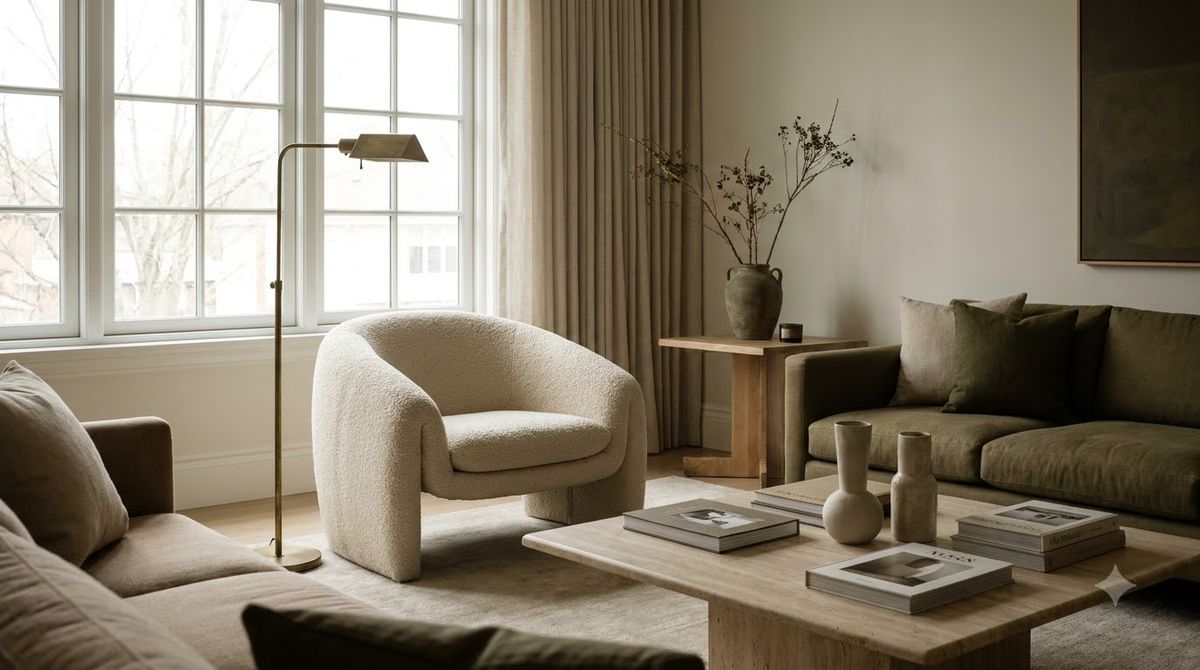
Copy the easy wins first. Sculptural shapes, warm metal finishes, and natural materials read as expensive at any price point. A curved arc floor lamp, a round chunky-frame mirror, or a boucle accent chair all telegraph “designer” through form alone.
Skip the dupe when function matters more than looks. Cheap upholstery foam, thin veneer over particleboard, and flimsy lamp switches are where a low price shows.
- Copy: silhouettes, finishes, colorways, textures, proportions
- Skip: anything you sit on daily, load-bearing furniture, and low-quality mechanisms
- Compromise: buy the dupe for the look, then upgrade the parts you touch, like cushions or hardware
What most guides miss: the tell between a good dupe and a cheap knockoff is weight and seams, not price. A quality arc-lamp base weighs 15-25 lbs of real metal to counterbalance the arm; a hollow knockoff is painted plastic that tips over and shows a molded seam line. On a “brass” mirror, run a fingernail along the frame: solid metal stays cool and even, while a printed gold film feels warm, catches light unevenly, and flakes at the corners within a year.
For a broader budget strategy, see our luxury living room ideas on a budget.
Free · 60 seconds
Not sure which style is actually yours?
Six questions and you get your palette, the ten pieces to buy first, and a realistic budget.
What Are the Best Decor Dupes by Category?
The best decor dupes cluster in five categories: lighting, mirrors, sofas, art, and rugs. Each rewards a different level of spending, and knowing which is which saves you from wasting money on the wrong dupe. According to design editors at House Beautiful, silhouette-driven pieces like lighting and mirrors deliver the strongest look-for-less value.
Lighting Dupes
Lighting is the single best category to dupe. The sculptural arc floor lamp look runs $600-$1,000 from design brands, but Wayfair and Target carry the same curved-arm silhouette for $80-$150. Mushroom table lamps and linear pendant looks dupe just as well. Since a lamp is a shape plus a bulb, the cheap version performs identically.
Mirror Dupes
Oversized round mirrors with thin metal frames or organic wavy edges are a designer signature, and they dupe cleanly. HomeGoods and Amazon carry the arched-mirror and irregular-shape looks for $40-$120, versus $300 and up at boutiques. A big mirror also doubles your light, so the payoff compounds.
Sofa Dupes
Sofas are the riskiest dupe. The pillowy modular and boucle-curve looks are everywhere, but a $2,000 designer sofa and a $500 Article or Wayfair version differ in foam density and frame wood. Buy the dupe for the silhouette, then plan to replace cushion inserts in a year or two.
Art Dupes
Art is the easiest, cheapest dupe of all. Large abstract canvases and framed line drawings sell for hundreds in galleries and $20-$60 at H&M Home, Target, or as printable downloads. Oversized art reads as confident and expensive regardless of source.
Rug Dupes
Rug dupes are a mixed bag. The vintage-faded Persian look and high-pile Moroccan shag dupe well in polypropylene for $60-$200 at Wayfair, versus $800-plus for wool. They wear faster, but in low-traffic rooms the visual difference is minimal for years.
What most guides miss: the real savings and the failure point differ sharply by category, so treat the percentages as a buying map. Lighting, mirrors, and art save a genuine 80-90% and rarely fail, because the material barely touches daily use. Sofa dupes realistically save 60-75%, and they fail at foam density: cushions rated near 1.2 lb sag within months, while 1.8 lb or higher holds shape for years. Polypropylene rugs save 70-85% but mat and shed in a hallway within 12-18 months, so keep them in low-traffic rooms.
Where Should You Shop for Decor Dupes?
The best places to shop decor dupes are Wayfair, Target, Amazon, HomeGoods, IKEA, and H&M Home, each strong in a different category. No single store wins everything, so we shop by silhouette rather than by loyalty. The pros at The Spruce regularly point shoppers toward these mid-market retailers for designer-inspired pieces.
Here’s our tested breakdown of who does what best:
- Wayfair: widest range of furniture silhouettes and rugs, frequent sales, best for arc lamps and modular sofa looks
- Target: trend-forward accents and lighting, strong Studio McGee-style collections at $20-$150
- Amazon: fastest for mirrors, small lamps, and hardware; read reviews closely and check dimensions
- HomeGoods: the treasure hunt, unbeatable for one-off mirrors, vases, and art under $50
- IKEA: clean minimalist and Scandinavian silhouettes, best value on frames and basic lighting
- H&M Home: cheapest quality textiles and ceramics, great for cushion covers, throws, and small art
One warning: always check the listed dimensions, not just the photo, because a “statement” pendant can arrive far smaller than it looks. For a fuller sourcing walkthrough, our elegant home decor guide covers vetting sellers and spotting quality.
What Styling Tricks Make a Dupe Look Expensive?
Styling is what turns an affordable dupe into a piece that reads high-end. The item matters less than how you light it, layer it, and place it. A $50 mirror styled well beats a $300 one shoved in a corner. These are the tricks we use on every budget room, and the products below help pull them together.
Start with light, because warm, layered lighting flatters cheap materials and hides plasticky sheen. Swap any cool-white bulbs for 2700K warm bulbs. Add a dimmer so nothing ever glares.
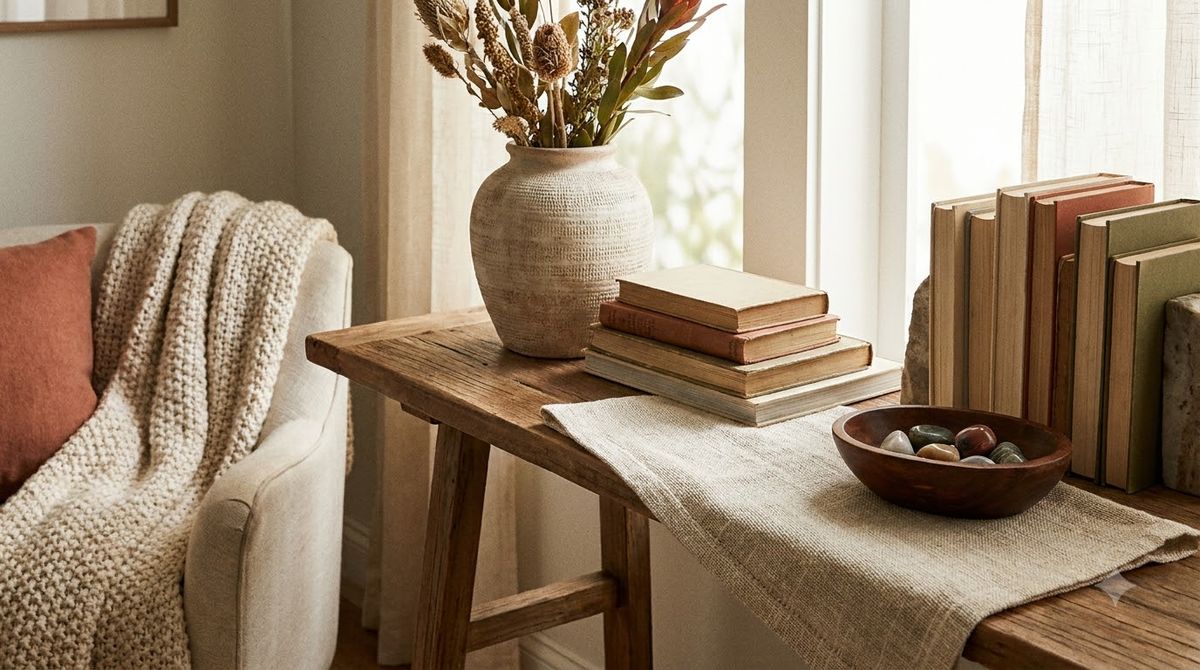
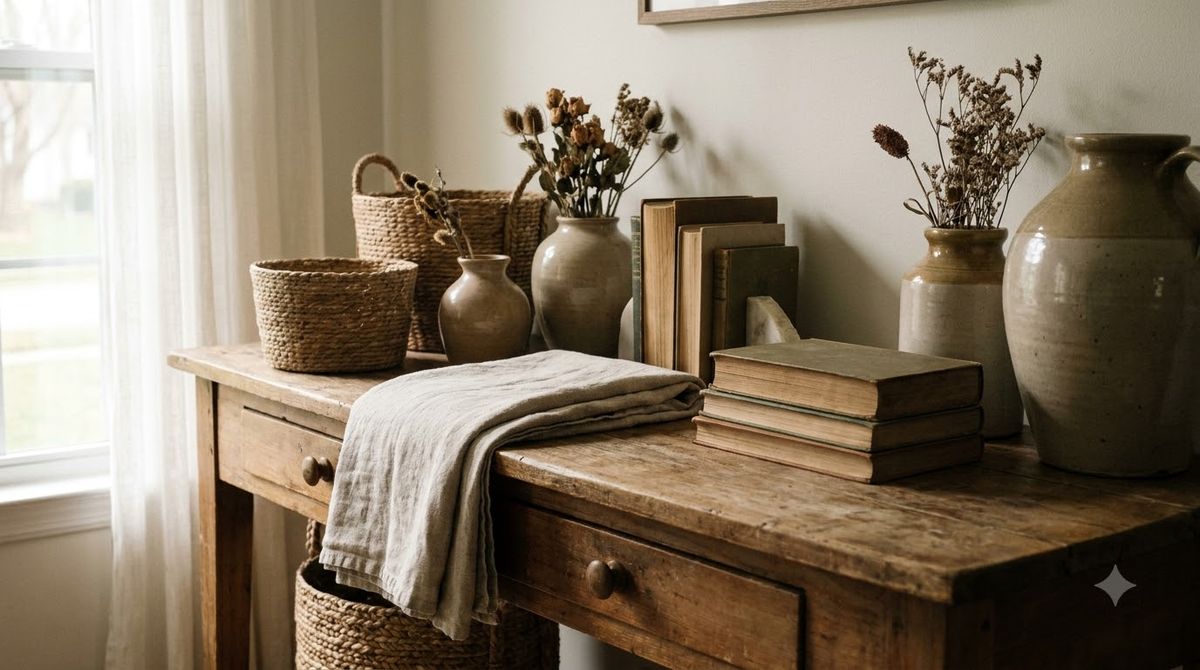
Then layer real texture over the dupe. A genuine wool or cotton throw and a linen cushion cover make a synthetic sofa read richer. Texture is the detail cameras and eyes both trust.
- Give a dupe breathing room: negative space signals value, so don’t crowd a statement piece
- Upgrade the hardware: swapping cheap knobs for solid brass pulls elevates any dupe dresser
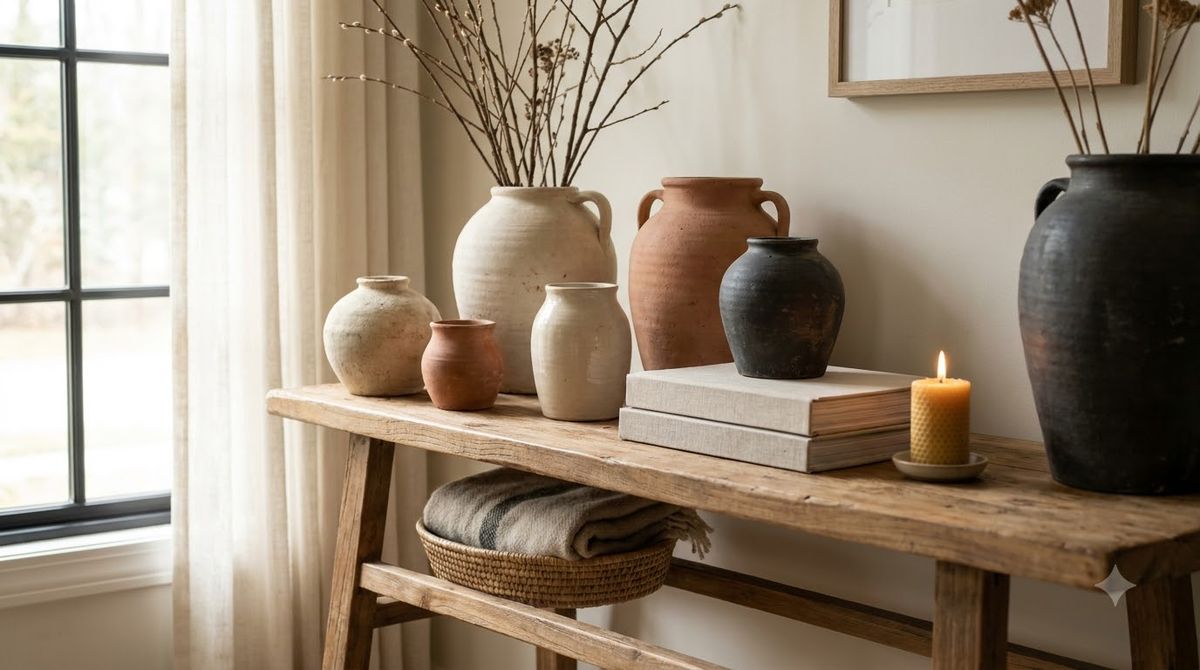
- Anchor with one real thing: pair dupes with a single authentic item, like a real ceramic vase or fresh stems
- Style in odd numbers: groups of three read more intentional than pairs
The compounding effect is real. In a recent budget living room, we paired a $120 mirror dupe, a $90 lamp dupe, and $40 of art, then spent another $60 on warm bulbs, a linen throw, and brass hardware. The finishing $60 is what made the first $250 look like $1,000.
Frequently Asked Questions
Are decor dupes legal to buy and sell?
Copying a silhouette, finish, or color is legal, and it’s how most affordable furniture is designed. What crosses the line is copying a protected logo, trademark, or patented mechanism. When you shop the look rather than a branded name, you stay on the right side and usually get better value anyway.
Which decor dupes are actually worth it?
Lighting, mirrors, and art give the best value, often 80-90% of the designer look for a fraction of the price. Skip dupes on daily-use upholstery and load-bearing furniture, where cheap foam and thin veneer show fast. Buy the dupe for the shape, then upgrade the parts you touch every day.
How do I make a cheap decor dupe look expensive?
Lighting and texture do most of the work. Use warm 2700K bulbs on a dimmer, layer real wool or linen textiles over synthetic pieces, and give each item breathing room. Swapping cheap hardware for solid brass and anchoring with one authentic object also sells the look.
Where is the best place to buy home decor dupes?
Shop by silhouette, not loyalty. Wayfair leads on furniture and rugs, Target on trend accents, Amazon on mirrors and small lamps, HomeGoods on one-off finds under $50, and H&M Home on affordable textiles. Always check listed dimensions before buying, since photos hide true scale.
How can you spot a cheap knockoff before you buy it?
Read the product weight and material fields, not just the photo. A quality metal-framed lamp or mirror lists real heft; a suspiciously light “metal” piece is usually painted plastic. Check reviews for words like “flimsy,” “peeling,” or “seam,” and confirm the finish is solid material rather than a printed film.