
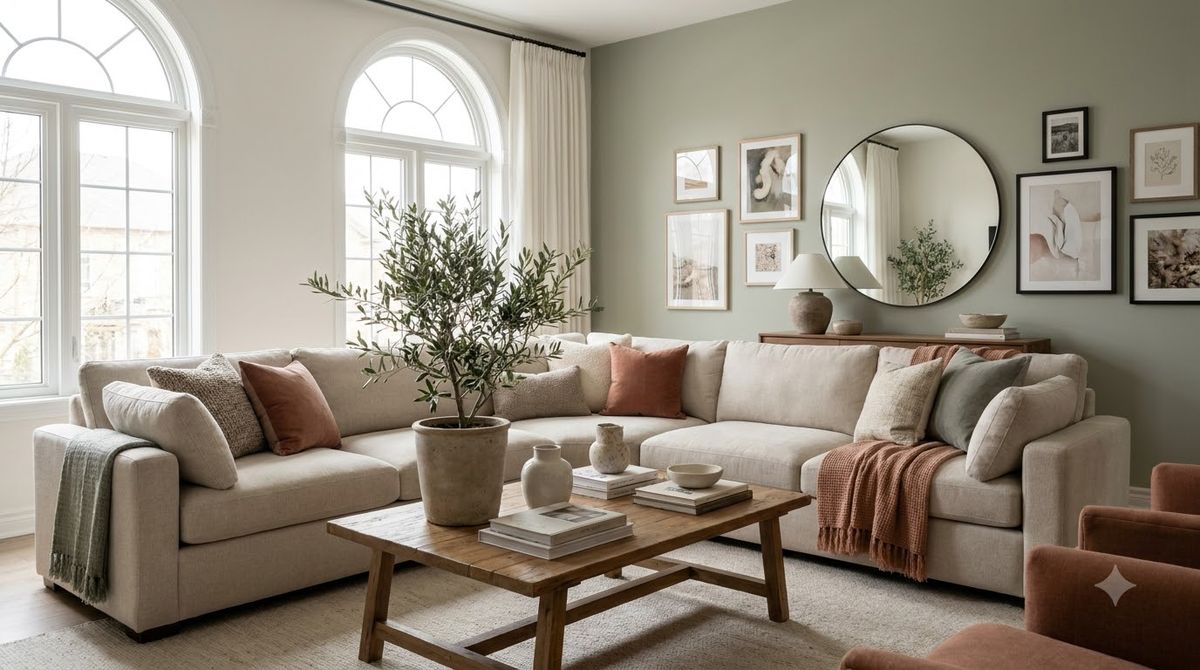
A living room doesn’t look expensive because of a big budget. It looks expensive because of restraint, contrast, and a few well-placed materials. Cohesive color and quality-feeling textures read as “high-end” long before price tags do, so you can fake luxury for a few hundred dollars if you spend it on the right things. Here are the ideas that actually move the needle, with real prices from $15 to about $400 and named budget brands.
Key Takeaways
- Restraint beats spending: a clutter-free room with one hero piece reads more expensive than a room full of cheap decor
- Materials do the heavy lifting: velvet, marble-look stone, and brass signal luxury for a fraction of designer cost
- One statement piece anchors the room: a $300-$400 sofa or a large mirror carries more visual weight than ten small buys
- Warm, layered lighting (never a single ceiling light) is the fastest, cheapest luxury upgrade at $40-$120
- Cohesive color in a tight palette of two or three tones makes budget pieces look intentional and expensive
What Actually Makes a Room Look Expensive?
Expensive-looking rooms share three traits: negative space, textural contrast, and a tight color story. Interior designers consistently point to cohesion and quality materials, not quantity, as the markers of a high-end space (House Beautiful). In other words, a room feels luxe when it looks edited and calm, not crowded.
Start by removing, not adding. In a recent budget makeover we did for a first apartment, clearing two-thirds of the surface clutter did more for the “expensive” feeling than any single purchase. Empty space signals confidence, and confidence reads as money.
Then build contrast between textures. A smooth marble-look coffee table beside a nubby wool throw and a velvet cushion creates depth that flat, matchy sets never do. This is exactly the layering logic we unpack in our elegant home decor guide.
- Keep 70-80% of your surfaces clear
- Stick to two or three colors plus one metal finish
- Mix at least three textures in every seating area
What most guides miss: two nearly free moves signal luxury faster than any purchase. Hang curtains 4-6 inches below the ceiling, not at the top of the window frame, and let the panels just graze the floor. Then choose a rug large enough that at least the front legs of every seat rest on it. A postage-stamp rug floating in the middle of the room is the number-one budget mistake, and it reads cheap instantly.
Free checklist
Spending $100 on a room? Spend it in this order.
The four phases we use, starting with the free one that changes more than any purchase.
How Do You Add Statement Pieces on a Budget?
One large, considered piece beats a dozen small ones, and it usually costs less overall. A single hero item (an oversized mirror, a sculptural chair, or a low-profile sofa) draws the eye and sets the tone for everything around it. Designers call this anchoring, and it’s the cheapest way to make a room feel curated (Houzz).
Our go-to hero for renters is a large leaning floor mirror. IKEA’s tall mirrors run $80-$150, bounce light around, and instantly make a room feel taller and more gallery-like. A gold or thin black frame adds the polish.
For seating, skip the bloated big-box sectional. A clean-lined sofa from Article or a linen-look cover on a plain IKEA frame reads far more expensive. A $40 tailored slipcover can make a dated hand-me-down sofa look much newer.
- Leaning floor mirror ($80-$150, IKEA): height, light, and drama in one piece
- Sculptural accent chair ($150-$250, Wayfair or Article): the “designer” moment
- Tailored slipcover ($40-$70, Amazon): rescues a tired sofa instantly
What most guides miss: save on decor, but never cheap out on the three things you touch every day. A paper-thin rug, a wobbly lamp base, and bargain sofa cushions that flatten within a month quietly undercut every other upgrade. Spend the extra $20-$40 on a proper rug pad and denser cushion fill. That is exactly where cheap starts to feel cheap under your hands and feet.
For more swap-this-for-that logic, our high-end decor dupes roundup pairs specific splurge looks with budget matches.
Which Colors and Materials Look Luxe for Less?
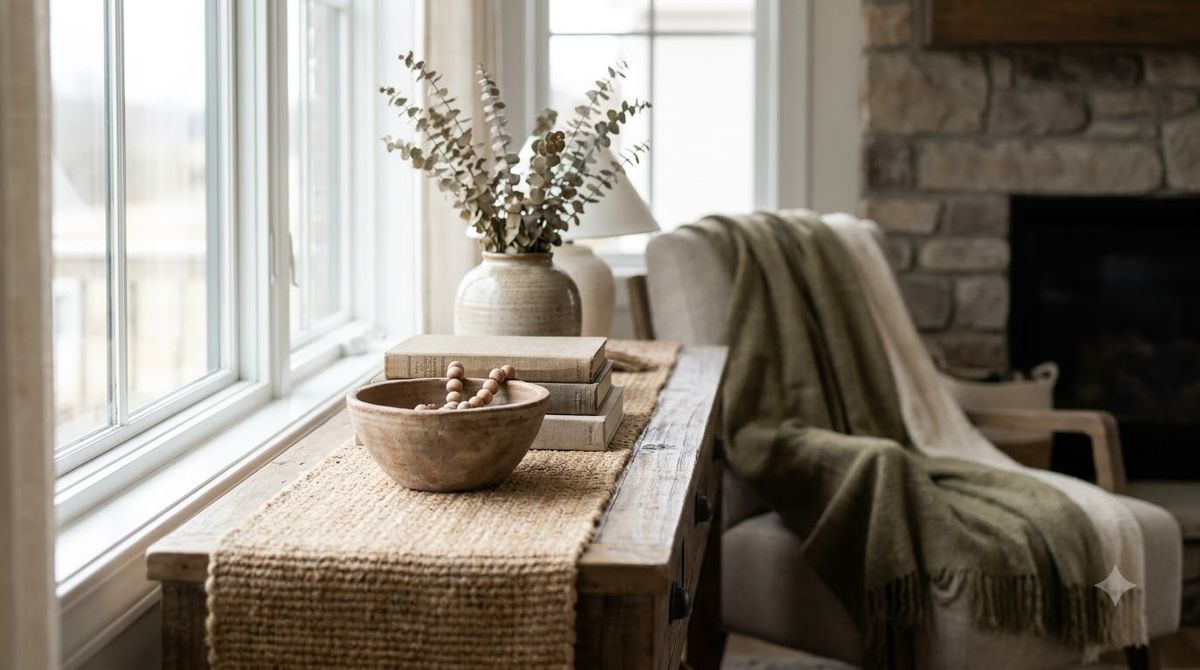
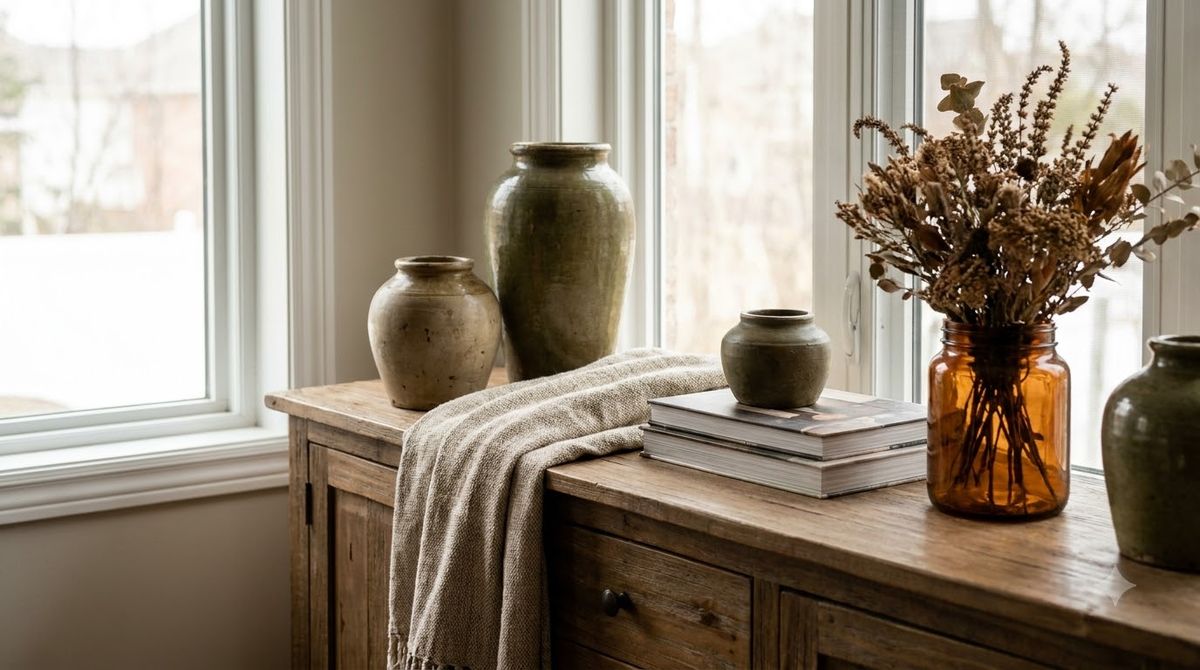
Luxury lives in the material, not the markup. Velvet, marble-look stone, and warm brass are the three finishes that fake high-end most convincingly, and all three come in budget versions now. A deep-toned velvet cushion cover from H&M Home or Target runs $12-$20 and adds instant richness against neutral upholstery.
Marble-look surfaces have gotten genuinely good. Peel-and-stick marble contact paper ($15-$25 a roll) transforms a plain tabletop or tray, and Target’s faux-marble side tables start around $45. From two feet away, nobody can tell.
Brass ties it together. Swapping cheap chrome hardware, lamp bases, or picture frames for warm brass or matte gold reads as a deliberate design choice. HomeGoods and Amazon both carry brass-finish trays, candlesticks, and frames under $25.
For color, commit to a restrained palette. Warm neutrals (greige, cream, camel) with one deep accent (forest, navy, or oxblood) is the formula we lean on. It photographs well and hides the fact that pieces came from five different stores.
- Velvet cushion covers ($12-$20, H&M Home / Target): richness against plain upholstery
- Marble contact paper ($15-$25, Amazon): transforms tabletops and trays
- Brass-finish accents (under $25, HomeGoods): trays, frames, candlesticks
How Does Lighting Make a Room Feel Elegant?
Lighting is the single cheapest luxury upgrade, and most budget rooms get it wrong. One harsh overhead light flattens a space and makes everything look cheap. The fix is layering: designers recommend at least three light sources at different heights for a warm, expensive glow (The Spruce).
Aim for a floor lamp, a table lamp, and one small accent light per seating area. IKEA and Target both sell floor lamps under $40, and a brass-base table lamp from Amazon runs $30-$50. The trick that ties it together: swap every bulb to a warm 2700K temperature so the whole room glows amber, not blue.
- Arc or tripod floor lamp ($35-$60, IKEA / Target): the tall anchor light
- Brass-base table lamp ($30-$50, Amazon): warmth at eye level
- Warm 2700K bulbs ($10-$15 a pack): the detail that fakes luxury instantly
- Dimmer plug ($15-$20): mood control for under $20
In a recent makeover we did, replacing a single ceiling fixture with three layered lamps under a $120 total spend changed the room more than any furniture swap. Warm, low, layered light is what expensive rooms actually feel like.
Get-the-Look Buys: Where to Shop the Budget Luxury Living Room
Here’s the ready-to-buy shortlist, ordered by impact per dollar. These are the categories that deliver the most “expensive” feeling for the least money. Pair them with the swaps in our high-end decor dupes guide for specific splurge-versus-save matches.
- Leaning floor mirror: biggest single-piece impact, adds light and height
- Tailored linen slipcover: rescues any tired sofa for under $70
- Velvet cushion cover set: instant texture and richness
- Brass-finish tray and candlestick set: the styling detail that reads luxe
- Layered lamp set with warm bulbs: three-point lighting that glows
That’s the honest promise here: a luxury living room on a budget isn’t about spending more, it’s about spending on the right five things.
Frequently Asked Questions
How do I make my living room look expensive on a budget?
Focus on restraint and materials. Declutter until surfaces are 70-80% clear, add one hero piece like a large leaning mirror, mix velvet and marble-look textures, and layer three warm light sources. Most of these upgrades cost $15-$150 each and read far more expensive than the price tag.
What colors make a living room look luxurious?
Warm neutrals like greige, cream, and camel paired with one deep accent such as forest green, navy, or oxblood. A tight two- or three-color palette plus a single brass metal finish makes budget pieces from different stores look intentional and cohesive.
What is the cheapest way to make a room look high-end?
Lighting. Swap a single harsh ceiling light for three layered lamps with warm 2700K bulbs, all achievable under $120. Warm, low, layered light instantly makes a space feel calm and expensive, and it’s the fastest upgrade we recommend in every makeover.
How high should I hang curtains to make a room look expensive?
Mount the rod 4-6 inches below the ceiling, or roughly halfway between the window frame and ceiling, and let panels graze the floor. Floor-to-ceiling curtains draw the eye upward and make walls read taller. It’s one of the cheapest high-end tricks, often under $40 a panel.
Can renters create a luxury living room without renovating?
Yes. Leaning mirrors, slipcovers, velvet cushions, brass trays, and lamps all require zero drilling or permanent changes. See our elegant home decor guide for a full damage-free plan you can take with you when you move.