
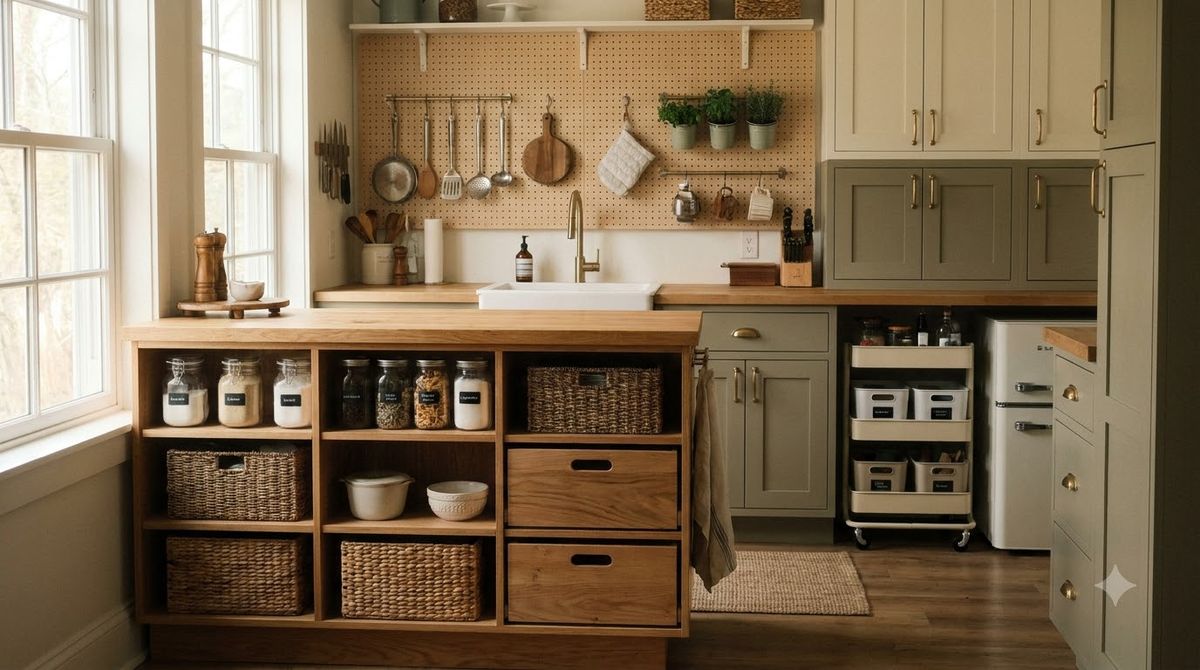
A small kitchen doesn’t need more storage. It needs a better system for the storage it already has. The average US kitchen is about 161 square feet, but homes under 1,500 square feet average just 103 square feet of kitchen (National Kitchen & Bath Association, 2025). One in eight renovated kitchens now measures under 100 square feet (2025 U.S. Houzz Kitchen Trends Study). After organizing dozens of apartment kitchens, here’s what actually works: eight systems, in the order you should tackle them, with real prices from $8 to about $200.
Key Takeaways
- Declutter before you buy anything: most small kitchens are 20-30% over capacity, and organizers only lock clutter in place
- Cabinet height is wasted space: shelf risers and stackable shelves roughly double usable cabinet volume for $12-$25
- Drawers need dividers, not more drawers: a $15 expandable divider set ends the utensil pile-up
- Go vertical: walls, cabinet doors, and the strip under upper cabinets are the biggest untapped storage in a small kitchen
- Clear counters make a small kitchen read bigger: aim to keep 80% of counter space empty
- Renters can do all of this with tension rods, adhesive hooks, and freestanding units, no drilling required
1. Start With a Full Declutter
Every organizing project fails at the same step: skipping the declutter and going straight to bins. Clutter reduction is one of the defining kitchen trends of 2025 for a reason (NKBA 2025 Kitchen Trends Report). Most of us own far more than a small kitchen can hold.
Pull everything out of one zone at a time (upper cabinets first). Then sort into three piles: keep, relocate, donate. Be honest about duplicates and single-use gadgets. If you own three spatulas and reach for one, the other two are taking rent-free space.
- Toss anything expired, chipped, or missing a lid
- Move rarely-used items (holiday platters, the stand mixer) out of prime cabinets
- Only after decluttering should you measure and buy organizers, and you’ll need fewer than you think
What most guides miss: in a small kitchen the fastest wins come from purging by category, not cabinet by cabinet. Gather every duplicate at once: back-up mugs, the second colander, promo water bottles, orphan lids, and the takeout-container drawer. Clearing those alone usually frees a full shelf before you spend a dollar on organizers.
Free checklist
Spending $100 on a room? Spend it in this order.
The four phases we use, starting with the free one that changes more than any purchase.
2. Maximize Cabinet Space With Risers and Stackers
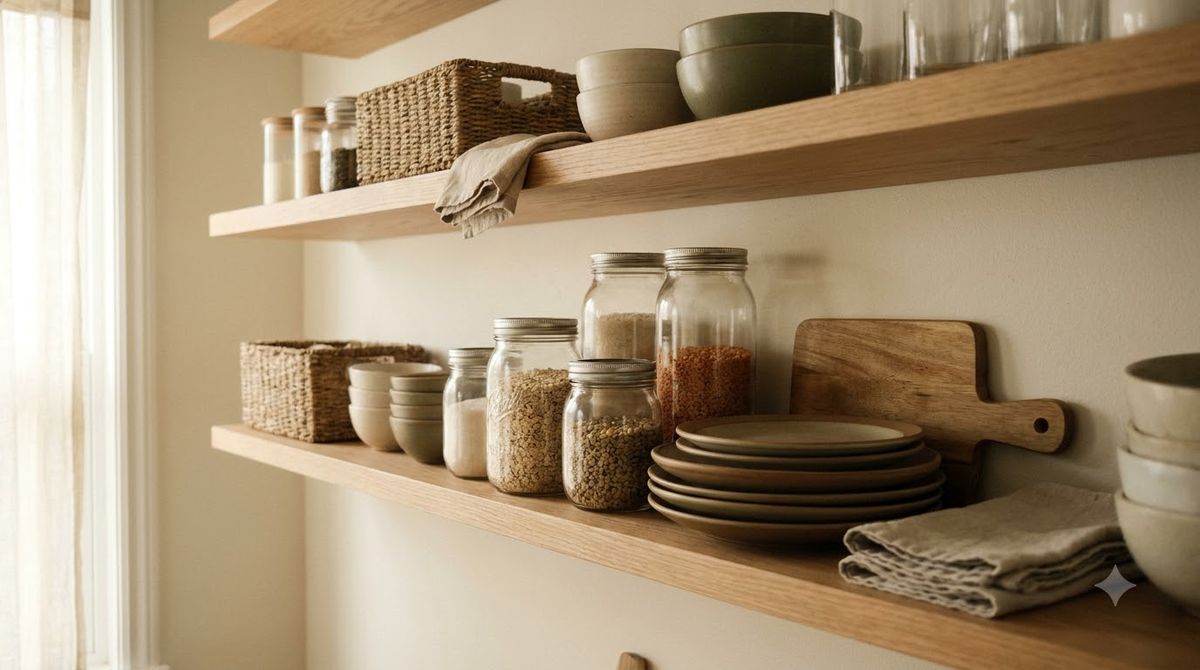
The empty air above your plates is the single most wasted space in a small kitchen. Shelf risers add a second level for mugs and short items, and stackable wire shelves do the same for canned goods and pantry cans. A two-pack of risers can nearly double the usable shelf levels in a standard 12-inch cabinet.
For a full breakdown of cabinet systems, see our guide to kitchen cabinet organization. The essentials:
- Shelf risers ($12-$18 for a set): instantly double stacking height
- Lazy Susans ($10-$20): tame corner cabinets and the oil-and-vinegar zone
- Under-shelf baskets ($8-$14 each): clip onto an existing shelf and use the dead space below
3. Drawer Dividers and Organizers
A small kitchen usually has two or three drawers doing the work of six. Dividers are the fix. An expandable bamboo divider set runs about $15 and turns a chaotic utensil drawer into defined lanes.
We cover deep drawers, junk drawers, and spice drawers in the full kitchen drawer organization guide, but the quick win is this: measure your drawer’s interior depth before buying, and choose adjustable dividers so you can reconfigure as your needs change.
4. Vertical and Wall Storage
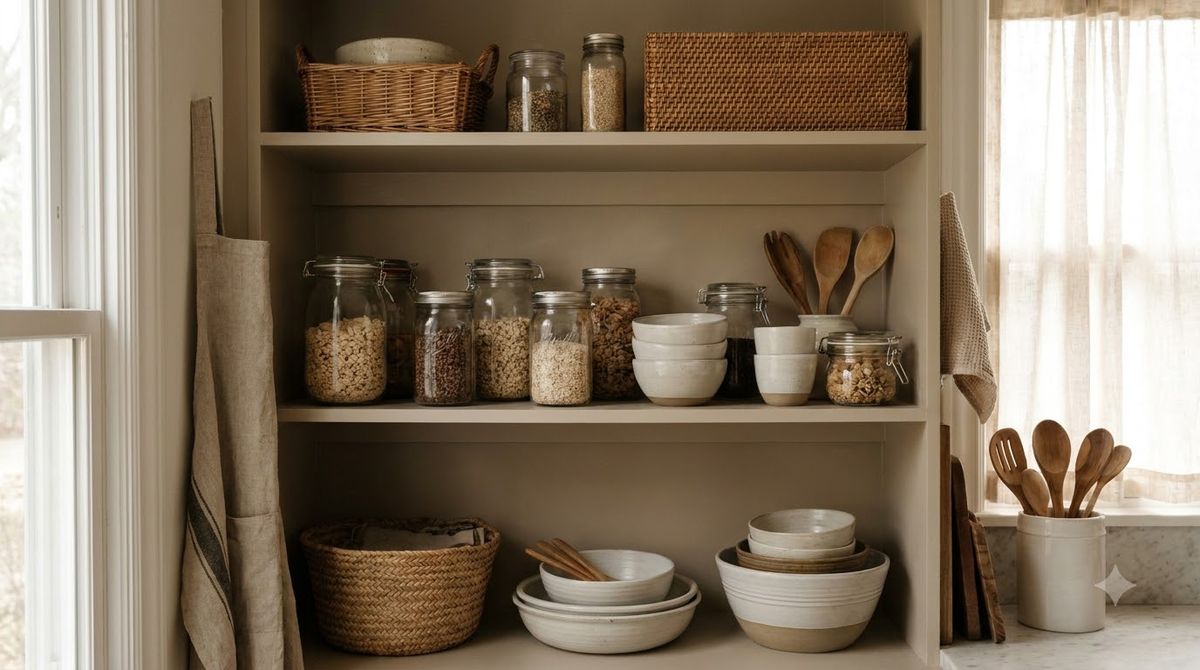
When floor and cabinet space runs out, go up. Walls, backsplashes, and the underside of upper cabinets are prime real estate in a small kitchen.
- Magnetic knife strip ($15-$25): frees a whole counter block
- Rail-and-hook system ($20-$40): hangs utensils, mugs, and small pots
- Under-cabinet mug hooks ($10): reclaim shelf space for stacked plates
- Pegboard wall ($30-$50): the most flexible option for tools and pans
What most guides miss: the biggest untapped zones are the strip over the sink, the wall above the fridge, and the inside faces of cabinet end panels. An over-the-sink roll-up rack ($20-$35) turns the space above the basin into a drying and prep shelf, and a slim over-the-fridge bin reclaims the 12-18 inches most people ignore. All of it mounts with tension or adhesive, so renters keep their deposit.
Renters, don’t skip this section, since most of these mount with adhesive or tension, which we detail in the no-drill renter kitchen guide.
5. Keep Countertops Clear
Counters are working surfaces, not storage. In a small kitchen, a cluttered counter is what makes the whole room feel cramped. The rule we use: keep at least 80% of counter space empty and store the rest.
Corral daily items (oils, salt, the utensil crock) on a single small tray so they read as one intentional object instead of scattered clutter. Move the toaster and blender into a cabinet if you use them less than daily. The full method, including a coffee-station setup, is in our kitchen countertop organization walkthrough.
6. Under-Sink Organization
The under-sink cabinet is awkward because of the plumbing, which is exactly why it stays a mess. Two-tier pull-out organizers ($25-$40) build around the pipes, and tension rods ($8) hung across the cabinet make a hanging bar for spray bottles.
- Use stackable bins for sponges, brushes, and refills
- Add an over-the-door caddy for trash bags and gloves
- Keep a small tray under any bottle that might leak
7. Pantry Solutions for Small Kitchens
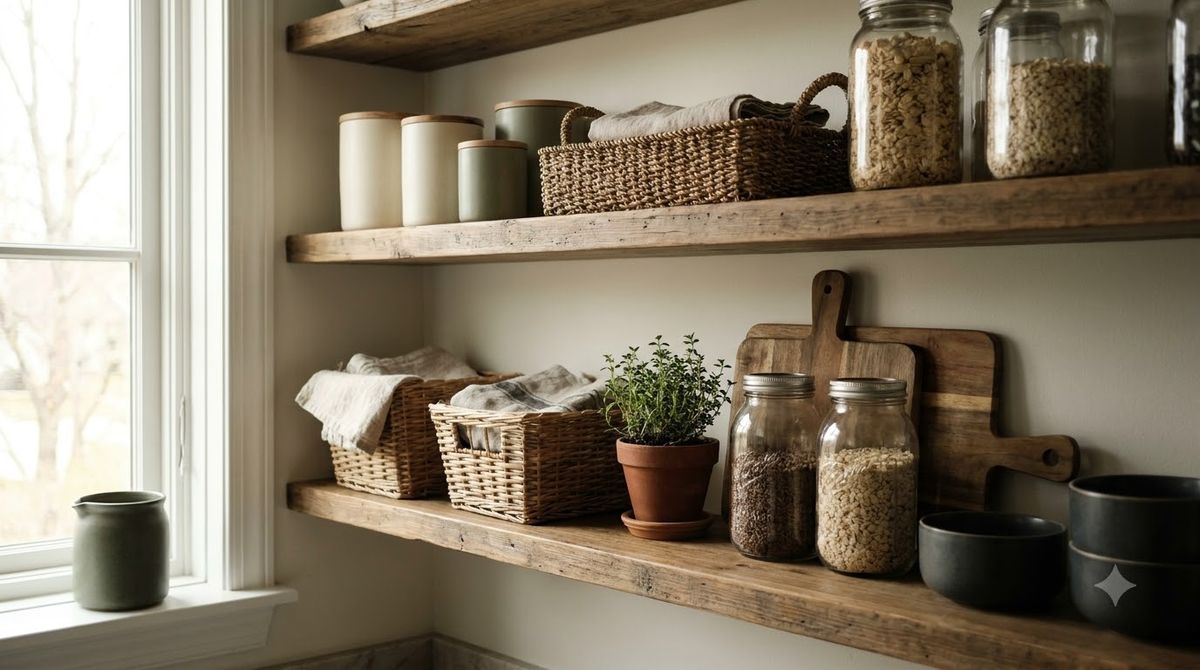
No pantry? A small kitchen usually hides one in plain sight: a tall cabinet, a rolling cart, or the back of a door. Clear containers and labels keep a compact food zone from becoming an avalanche. We break down decanting, zoning, and no-pantry hacks in pantry organization ideas.
The small-kitchen shortcut: a slim rolling cart ($30-$60) tucks into a 10-inch gap and rolls out as a full pantry the moment you want more prep space.
8. Before and After: What Changes
The payoff of a small-kitchen system isn’t just tidiness; it’s reclaimed function. In a recent 90-square-foot rental we reorganized, decluttering and adding risers, drawer dividers, and a magnetic knife strip freed an entire lower cabinet and cleared two-thirds of the counter. Total spend was under $90, and nothing was drilled or permanent.
That’s the honest promise of small kitchen organization: you’re not renovating, you’re re-systemizing. For more transformations and clever fixes, browse our genius kitchen storage hacks.
9. Best Small-Kitchen Organizers
If you want a ready-to-buy shortlist, these are the categories that deliver the most space per dollar. Our full tested roundup with specific picks lives in best kitchen organizers 2026.
- Shelf risers: best first purchase, doubles cabinet height
- Expandable drawer dividers: ends the utensil pile
- Two-tier under-sink pull-out: reclaims the hardest cabinet
- Magnetic knife strip: frees a full counter block
- Slim rolling cart: instant pantry for tight gaps
Frequently Asked Questions
How do I organize a small kitchen with no pantry and few cabinets?
Go vertical and portable. Add a slim rolling cart as a movable pantry, use cabinet-door and wall storage for tools, and put shelf risers in every cabinet to double stacking height. Declutter first so you’re only storing what you actually use.
What should I buy first to organize a small kitchen?
Shelf risers. They cost $12-$18, require no tools, and roughly double the usable volume of your cabinets, the fastest space gain per dollar. Buy them only after decluttering.
How much does it cost to organize a small kitchen?
A full system runs about $60-$150 for most rentals. In a 90-square-foot kitchen we reorganized, risers, drawer dividers, and a magnetic strip came in under $90 with nothing drilled. Start with $12-$18 shelf risers, then add only what a specific zone needs.
How do I keep a small kitchen organized long-term?
Assign every item a home and follow a one-in-one-out rule for gadgets. Do a five-minute counter reset each night so surfaces stay clear, which is what keeps a small kitchen feeling open.
Can renters organize a small kitchen without drilling?
Yes. Tension rods, adhesive hooks, magnetic strips, and freestanding carts handle almost everything. See our no-drill renter kitchen organization guide for a full damage-free system.