
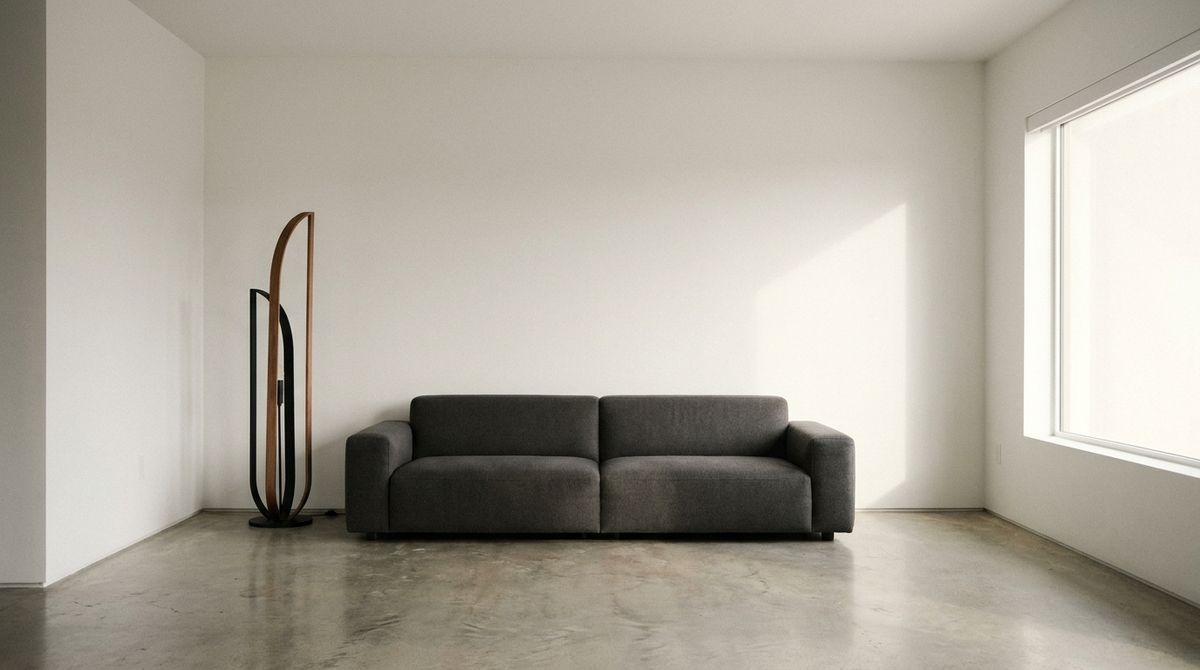
The core move in a minimalist room makeover is subtraction, not shopping: clear each surface until roughly 70–80% of it sits empty, then keep only the pieces that earn their place. The rooms below started cluttered, dark, or visually loud, then transformed through editing: fewer objects, calmer palettes, and one or two textures doing real work. Each makeover proves the same quiet truth — depth in minimalism comes from restraint, not emptiness. Save the ones that match your space, then borrow the technique, not just the look. For a deeper foundation, see our Modern Minimalist Decor Guide.
Key Takeaways
- Aim for roughly 70–80% empty surface on counters, dressers, and shelves — that negative space is what reads as calm.
- Commit to one wood tone and one main fabric per room; repetition looks intentional, variety looks like clutter.
- Editing beats buying: most makeovers here removed 40% or more of the objects before adding a single new piece.
- Add texture, not color, to keep a pared-back room from feeling flat — boucle, linen, plaster, jute, and raw wood.
- Start with one surface and a single box; fill it with items that do not earn their spot.
- A budget makeover often costs $0 at first, since decluttering, repainting, and rearranging come before any purchase.
1. The Oat-and-Oak Bedroom Reset
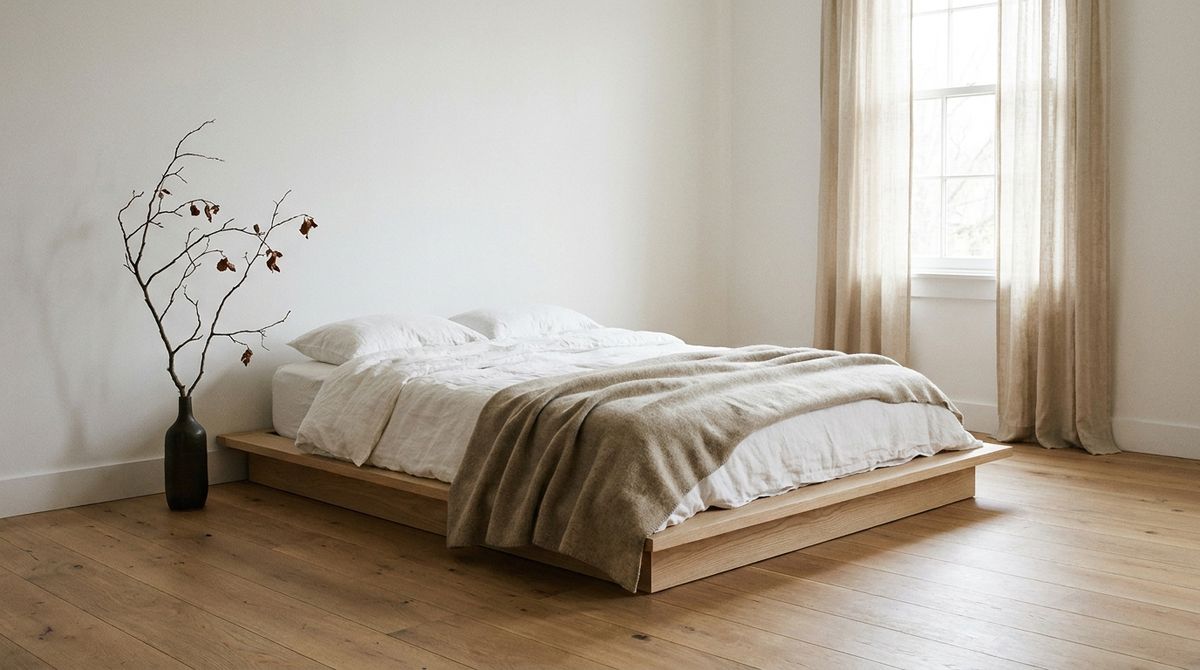
Before: a navy accent wall, mismatched nightstands, and a tangle of cords behind the bed. After: warm oat-colored walls, a single oak headboard spanning floor to ceiling, and matching ceramic lamps that finally let the eye rest. The cords disappeared into a cable channel painted wall-color. What makes it work is the commitment to one wood tone and one fabric (linen) — repetition reads as intention. Key elements: a low-profile oak platform bed, washed linen duvet in flax, and a single charcoal stoneware vase on the dresser.
What most guides miss: the reason a stripped-back room reads as “empty and cold” instead of “calm” is almost always missing texture and warm light, not too few objects. Before you add anything back, layer three textures (say linen, oak, and stoneware) and swap to 2700K warm bulbs. Nine times out of ten that fixes the bare feeling without touching the object count.
2. The All-White Studio That Found Its Shadow
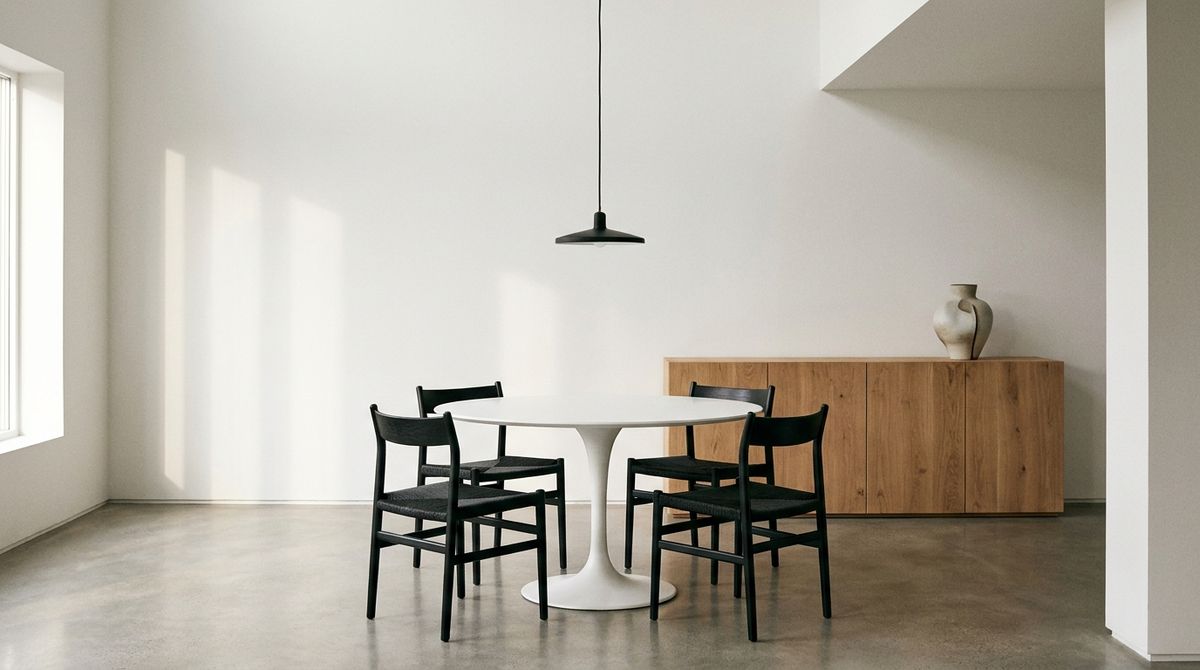
Before: white walls, white sofa, white rug — a space so flat it photographed like a hospital. After: the same white shell, but with a chunky boucle armchair, a raw plaster coffee table, and floor-to-ceiling sheer curtains that move with the breeze. The makeover added texture, not color, proving minimalism needs shadow to feel alive. Key elements: a boucle lounge chair, hand-troweled plaster side table, and unbleached cotton curtains pooling slightly on the floor.
Free checklist
Spending $100 on a room? Spend it in this order.
The four phases we use, starting with the free one that changes more than any purchase.
3. The Reading Nook Cut From a Closet
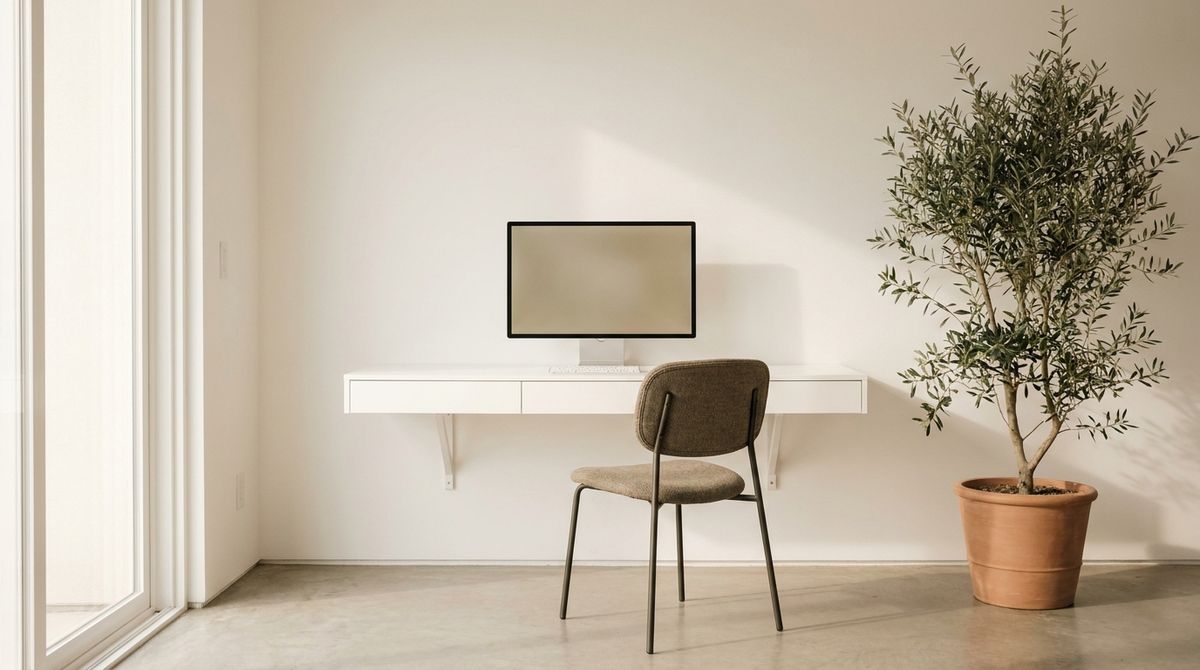
Before: an oversized hallway closet stuffed with coats and forgotten board games. After: a 36-inch-wide reading alcove with a built-in bench, one brass sconce, and a single shelf above for ten favorite books. The edit was brutal — everything that wasn’t reading-related left the room. Key elements: a custom oak bench with hidden storage, a hardwired brass swing-arm sconce, and a wool-blend cushion in oatmeal.
4. The Living Room That Lost Its Coffee Table
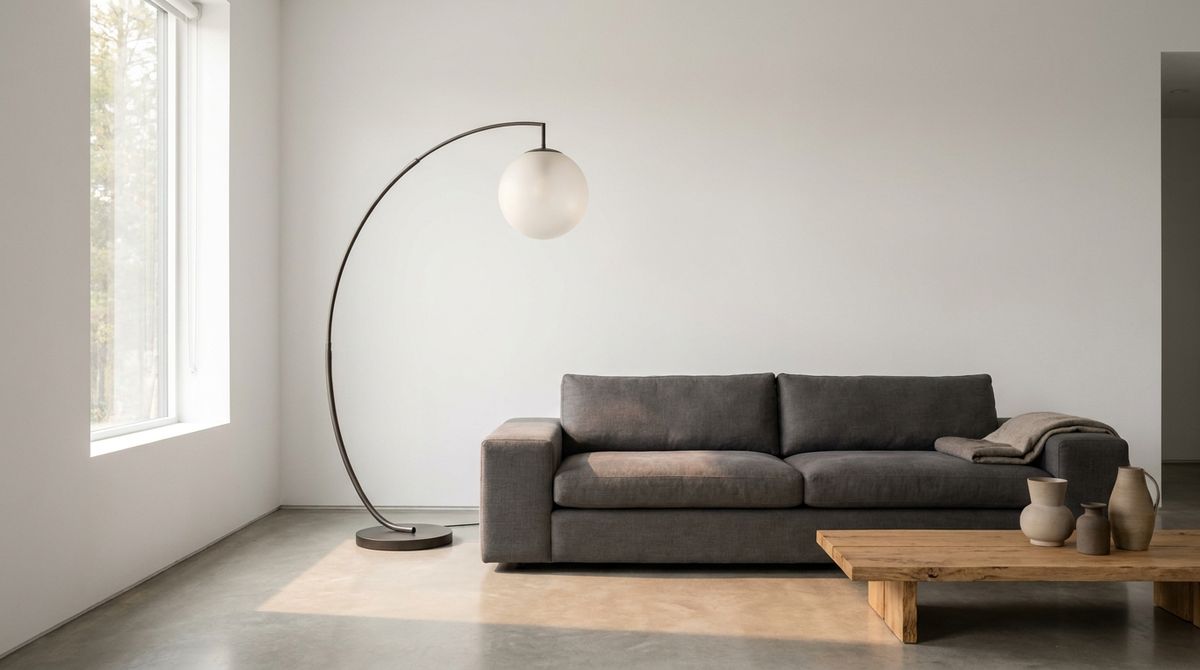
Before: a glass coffee table covered in remotes, coasters, and three weeks of mail. After: the table is gone. A single low ottoman in nubby wool sits in its place, doubling as a footrest and tray base. Suddenly the room breathes. Key elements: a round wool pouf, a slim floor lamp with a paper shade, and a flat-weave rug in undyed jute.
5. The Kitchen Counter That Earned Its Keep
Before: a small appliance graveyard — blender, toaster, air fryer, knife block, fruit bowl, mail pile. After: bare quartz counters with one wooden cutting board leaning against the backsplash and a single ceramic crock holding three utensils. Everything else moved into a deep drawer. Key elements: a walnut end-grain board, a hand-thrown stoneware crock, and an under-cabinet LED strip for warm task light.
6. The Bedroom Where the Bed Floats
Before: a heavy upholstered bed shoved against a busy gallery wall. After: a low platform bed centered on a blank, lime-washed wall in soft clay. The gallery came down; one large unframed linen canvas went up above. Key elements: a low walnut platform, a lime-washed accent wall in terracotta, and an oversized linen art panel.
7. The Home Office Stripped to One Surface
Before: an L-desk piled with monitors, sticky notes, charging cables, and three half-finished water glasses. After: a single 60-inch oak desk, one monitor on a slim arm, and a leather desk pad that hides the cable pass-through. Key elements: a solid oak desk, a monitor arm clamped behind the desk, and a tan leather desk pad.
8. The Bathroom That Ditched the Plastic
Before: shampoo bottles, kid bath toys, and a shower caddy bursting at every shelf. After: matching amber glass dispensers, a single teak shower stool, and a folded waffle towel on a wall hook. Key elements: refillable glass bottles, a teak corner stool, and a brushed brass towel hook.
9. The Dining Room With One Long Bench
Before: six mismatched chairs around a glass table that nobody dusted. After: a solid ash trestle table with one long bench on either side and a single ceramic bowl as the centerpiece. Key elements: an ash trestle table, two matching benches, and a wide low stoneware bowl.
10. The Entryway That Stopped Apologizing
Before: a shoe pile, a coat mountain, and a console table covered in keys, masks, and unopened mail. After: a single floating oak shelf, four flush wall hooks, and a low wool runner that hides daily scuffs. Key elements: a floating oak ledge, blackened steel hooks, and a tightly woven wool runner.
11. The Nursery Without the Pastel Overload
Before: rainbow bunting, three plush rugs, and toys in every corner. After: ivory walls, a natural rattan crib, and a single open shelf with five carefully chosen books. Key elements: a rattan crib, an undyed cotton mobile, and a small wool sheepskin draped over the rocker.
12. The Teen Room That Grew Up
Before: posters, fairy lights, and a desk used as a makeup vanity, gaming station, and laundry shelf. After: matte black walls on one side, a clean pine desk with a single pendant, and a peg rail for daily essentials. Key elements: a pine writing desk, a black peg rail, and one warm-bulb pendant on a long cord.
13. The Guest Room That Became a Sanctuary
Before: a treadmill, two suitcases, and a daybed used for storage. After: the treadmill moved, the bed returned to the center, and a single linen-upholstered headboard anchors the wall. Key elements: a flax linen headboard, a small cane-back side chair, and a single botanical print in a natural wood frame.
14. The Sunroom Made of Light and Wicker
Before: faded floral cushions and a glass-top patio set indoors. After: two rattan lounge chairs, a jute rug, and absolutely nothing on the walls — the windows became the art. Key elements: rattan lounge chairs, a chunky jute rug, and a single olive tree in a terracotta pot.
15. The Hallway That Found Its Rhythm
Before: a long blank corridor with five mismatched frames hung at different heights. After: three identical black frames spaced evenly, each holding a black-and-white photo of the family’s travels. Key elements: matching matte black frames, museum-grade white mats, and a single linen runner underfoot.
16. The Open Shelving That Stopped Yelling
Before: kitchen open shelves crammed with mugs, cookbooks, and souvenir magnets. After: two shelves, eight matching stoneware mugs, four ceramic bowls, and one small cutting board. Key elements: matte stoneware in two tones, a single oiled walnut board, and warm under-shelf lighting.
17. The Walk-In Closet Edited to 30 Pieces
Before: a wardrobe bursting with impulse buys and tags still attached. After: a single oak rod, 30 hangers in matching wood, and a small bench with folded knitwear in linen baskets. Key elements: oak wardrobe hangers, woven linen storage baskets, and a slim oak bench with hidden shoes below.
18. The Laundry Room That Hides in Plain Sight
Before: a chaos of detergent bottles, hampers, and a wall calendar from 2019. After: white cabinetry, two glass jars of laundry powder, and a single open shelf with folded towels. Key elements: shaker-style cabinets, refillable glass canisters, and a slatted oak drying rack on the wall.
19. The Balcony That Became a Room
Before: a forgotten stack of plastic chairs and a dead plant. After: one folding teak bistro table, two armless chairs, and a single olive tree. Key elements: teak folding furniture, an outdoor jute rug, and a wall-mounted lantern with a warm LED bulb.
20. The Whole-Home Palette Lock
Before: every room a different paint color — coral, sage, navy, gray. After: the entire home repainted in three coordinated tones (warm white, soft clay, and deep oak trim). Suddenly every room felt connected, and the eye stopped working overtime. Key elements: a three-color palette repeated everywhere, matching matte hardware, and consistent natural wood tones across all furniture.
The Pattern Behind Every Makeover
Look across all 20 and the formula repeats: one wood tone, one fabric, a calmer palette, and at least 40% fewer objects on every surface. Editing is the design move — the rest is just letting the room exhale. Start with one surface today, fill a single box with items that don’t earn their place, and notice how quickly the room rewards you. For the full strategy behind these transformations, head back to our Modern Minimalist Decor Guide and pick your next room to edit.
Frequently Asked Questions
How do I start a minimalist room makeover?
Start by clearing one surface completely, not by shopping. Pull everything off a dresser, counter, or shelf, then return only the pieces you use or genuinely love, aiming for about 70–80% empty space. Work zone by zone in 20-minute passes so the room never feels torn apart. Paint and rearranging come next; new purchases come last.
How much does a minimalist makeover cost?
Often $0 to begin, because the first three moves — decluttering, rearranging, and repainting with paint you may already own — cost little to nothing. When you do buy, a single well-chosen piece per room (a linen duvet, a wool pouf, or one oak shelf) typically runs $40–$300. Minimalism spends on fewer, better items, not more of them.
Does minimalist mean empty and cold?
No. Minimalist rooms feel calm, not bare, when they layer texture and warm light instead of stacking objects. The all-white studio above felt clinical until a boucle chair, a plaster table, and sheer curtains added shadow and depth. Three textures and 2700K bulbs usually fix a cold room without adding a single extra item.
How do I declutter without the room looking bare?
Keep the negative space but add depth through material contrast, not clutter. After clearing 40% of the objects, introduce one wood tone, one fabric, and one accent texture so surfaces still read as intentional. A single sculptural vase or a stack of three books gives the eye a resting point while keeping most of the surface open.
Can I do a minimalist makeover on a budget?
Yes, and it is one of the cheapest room updates you can make. The biggest wins here — removing a coffee table, hiding cords in a paint-matched channel, editing a closet to 30 pieces — cost nothing. Repurpose baskets and jars you own for storage, and spend only on one anchor piece per room once the editing is done.