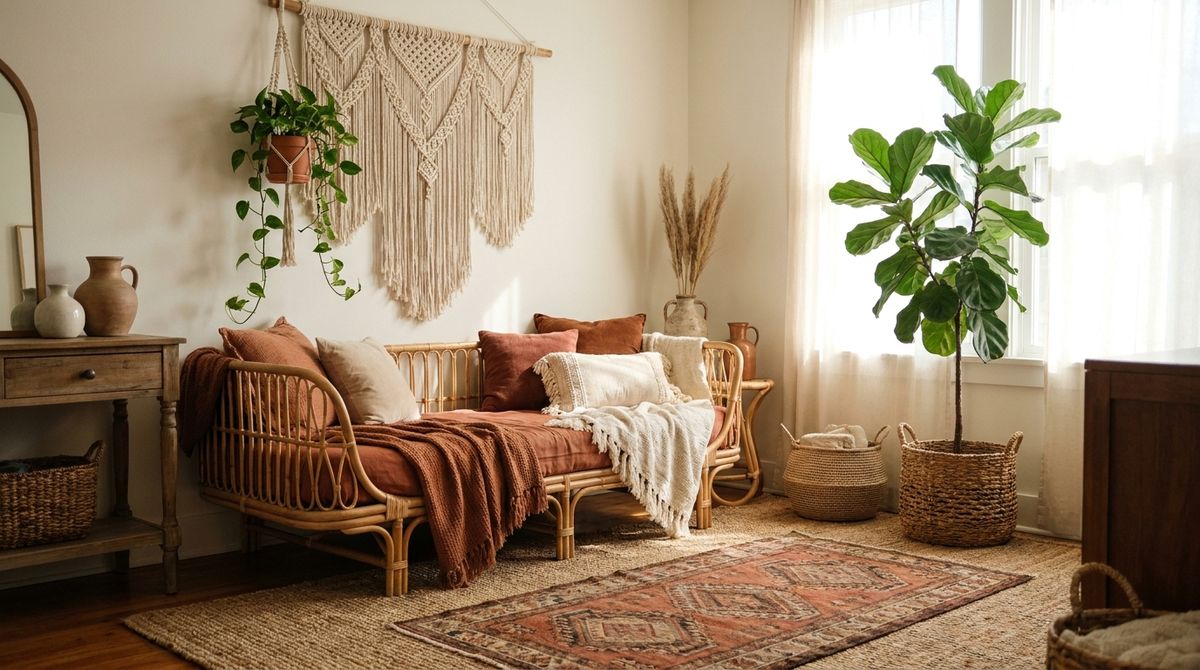
Minimalist decor in 2026 isn’t the cold, stark white aesthetic of a decade ago. It’s warmer, deeper, and far more tactile — jute under bare feet, plaster walls catching afternoon light, and a single ceramic vessel that earns its place on a shelf. The “less is more” principle still rules, but the new minimalism rewards depth over emptiness and quality over quantity.
We’ve spent months testing and curating the pieces that actually deliver. Every product below has been chosen for clean lines, honest materials, and the ability to anchor a room without shouting. Whether you’re starting from scratch or refining what you already own, these are the best minimalist decor pieces of 2026 — organized into the five categories that matter most.
Key Takeaways
- The strongest minimalist decor in 2026 leans warm, with natural materials like oak, jute, travertine, and unbleached linen replacing cold whites.
- Invest in storage first — clean-line cabinets and baskets create the visual calm that lets the rest of your decor breathe.
- One sculptural object beats five small accessories. Choose pieces with weight, scale, and intentional silhouette.
- Monochrome art (black, ivory, sand, charcoal) holds the room together without competing for attention.
- Budget tip: spend on the anchor furniture and storage; save on textiles and small ceramics where price gaps don’t show.
For the broader framework behind these picks, see our complete modern minimalist decor guide. If you’re weighing what to splurge on, our breakdown of minimalist decor cost covers realistic budgets room by room.
Clean-Line Storage: The Foundation of Minimalism
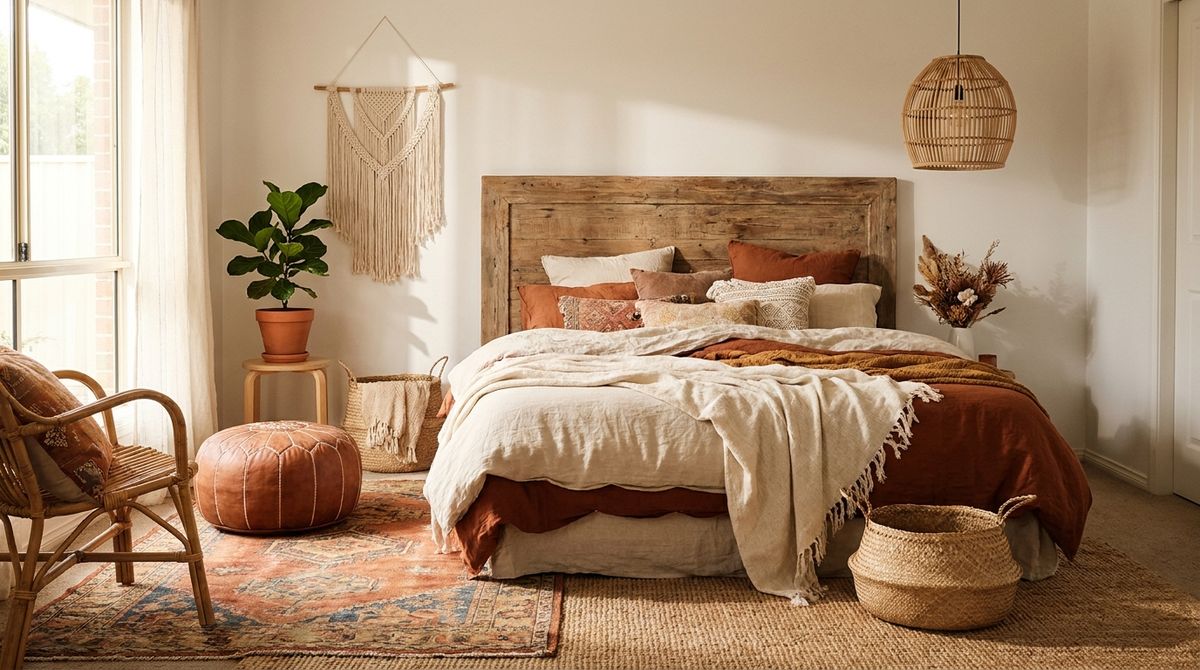
Storage is where minimalist decor lives or dies. A room with beautiful objects and visible clutter still reads as messy; a room with hidden storage and just three objects reads as intentional. Spend here first.
What most guides miss: minimalism is a ratio, not a color. Aim to leave roughly 40 to 50 percent of every surface and wall empty. That negative space is what your eye actually reads as calm. A shelf with three objects and room to breathe looks intentional; the same shelf filled edge to edge reads cluttered, even in pure white.
1. Oak Slatted Console Cabinet
Price range: $899-$1,299 |
A slatted oak front gives this cabinet rhythm without ornament, and the closed storage swallows everything from board games to charging cables. The legs lift it just enough off the floor to feel architectural rather than bulky. This is the piece that quietly fixes 80% of living room clutter.
2. Hand-Woven Seagrass Storage Baskets (Set of 3)
Price range: $79-$129 |
Soft enough to belong in a bedroom, structured enough to hold their shape after years of use. The graduated sizes nest under console tables, slide beside sofas, and stack inside open shelving. We’ve recommended these to readers for three years running because nothing under $150 delivers more visual calm.
3. Matte Black Steel Wall Shelf
Price range: $129-$189 |
A 36-inch floating shelf in powder-coated steel — strong enough to hold a stack of art books and a single ceramic vessel, thin enough to disappear into the wall. The matte finish refuses to glint or distract. Mount one above a desk or three in a stairwell for an instant gallery moment.
4. Travertine-Topped Storage Bench
Price range: $549-$799 |
Genuine travertine sits atop a hollow oak base, creating a bench that doubles as an entryway seat and a hidden shoe cubby. The cool stone against warm wood is the depth move that elevates minimalism out of beige territory. Surprisingly affordable for a piece this substantial.
Sculptural Lighting: One Statement, Done Well
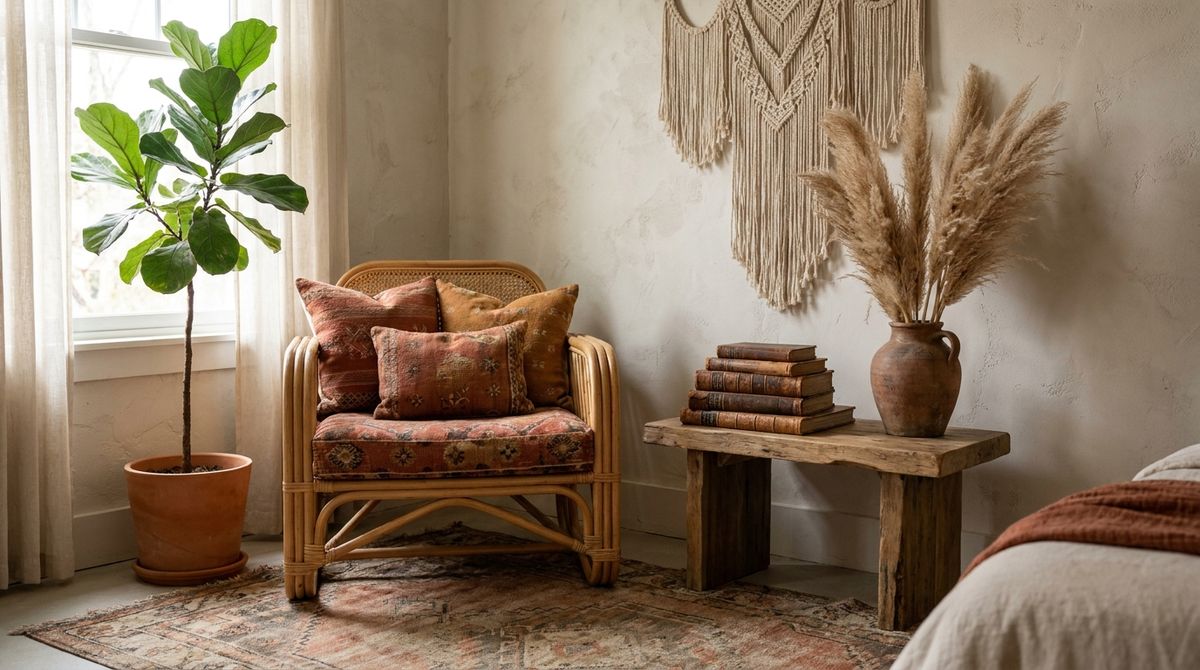
Minimalist rooms benefit more from one sculptural light than from three forgettable ones. Each of these is a quiet hero — visible during the day, transformative at night.
5. Paper Pendant Lantern (Akari-Inspired)
Price range: $189-$329 |
Rice paper stretched over a delicate bamboo frame casts a glow so soft it feels like candlelight. Hang it low over a dining table or off-center in a reading corner. This is the single best lighting investment under $350 for a minimalist home — and it works equally well in modern, Japandi, and warm-Scandi schemes.
6. Plaster Wall Sconce
Price range: $149-$249 |
Half-moon plaster sconces have quietly become the new picture light, washing walls with diffused glow and adding subtle texture during daylight hours. Hardwire two flanking a bed or a console for an immediate hotel-quiet effect. Choose the unpainted version — chalky white develops a beautiful patina over time.
7. Linen-Shaded Floor Lamp with Oak Tripod
Price range: $279-$399 |
A natural-linen drum on a slim oak tripod base reads as both Scandinavian and quietly mid-century. The 60-inch height fills empty corners without crowding them, and the unbleached shade emits a warm light that flatters skin tones and wood floors alike. We’ve tested cheaper versions; the linen quality is the difference.
8. Brushed Brass Table Lamp
Price range: $159-$229 |
A simple cylindrical base in brushed (not polished) brass, topped with a small fabric shade. The matte finish is what keeps this from feeling decorative or fussy — it adds warmth without bling. One on a console, one on a nightstand, and you’ve covered ambient lighting for two rooms.
Free · 60 seconds
Not sure Modern Minimalist is actually your style?
Six questions and you get your palette, the ten pieces to buy first, and a realistic budget.
Monochrome Art & Wall Decor: Visual Anchors
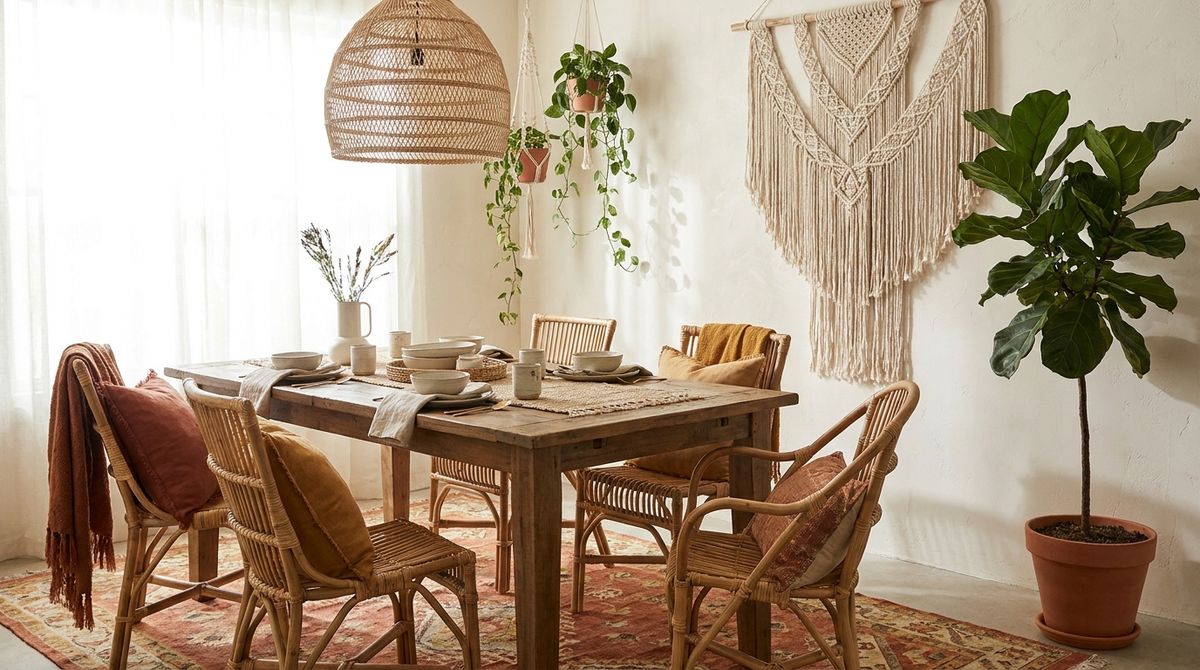
The fastest mistake in minimalist decor is hanging too many small pieces of art. Go bigger, go fewer, and stay tonal. Black-and-ivory, sand-and-charcoal, or pure tonal studies all work.
9. Large-Scale Black Ink Brushwork Print
Price range: $89-$249 |
A single calligraphic gesture on heavy ivory paper — framed in narrow black oak, sized at 30×40 inches or larger. This is the piece that anchors a sofa wall or hallway without demanding attention. The white space in the composition is the actual art; resist the urge to crowd it with anything else.
10. Triptych of Architectural Photography
Price range: $179-$349 |
Three black-and-white architectural prints — shadow, line, geometry — hung as a tight triptych above a console or bed. The repetition creates rhythm; the monochrome palette keeps it calm. Look for matted frames with a wide white border, which adds the breathing room minimalism demands.
11. Oversized Round Beveled Mirror
Price range: $229-$449 |
A 36-inch round mirror with a thin matte-black or natural-brass rim acts as both art and light multiplier. Lean it against a wall rather than hanging it for a more relaxed, less formal effect. This is one of the best dollar-for-impact pieces in any minimalist scheme.
12. Plaster Wall Relief Panel
Price range: $139-$289 |
Hand-cast plaster panels with subtle linear or curved relief patterns add the textural depth that pure painted walls lack. Hang one above a low credenza or behind a bed for an immediate sculptural moment. We prefer the unpainted, raw-plaster versions — they age beautifully and refuse to look trendy.
For more ideas on building a focal moment in any room, see our deep dive on minimalist statement pieces.
Quality Basics: The Textiles & Tabletop Layer
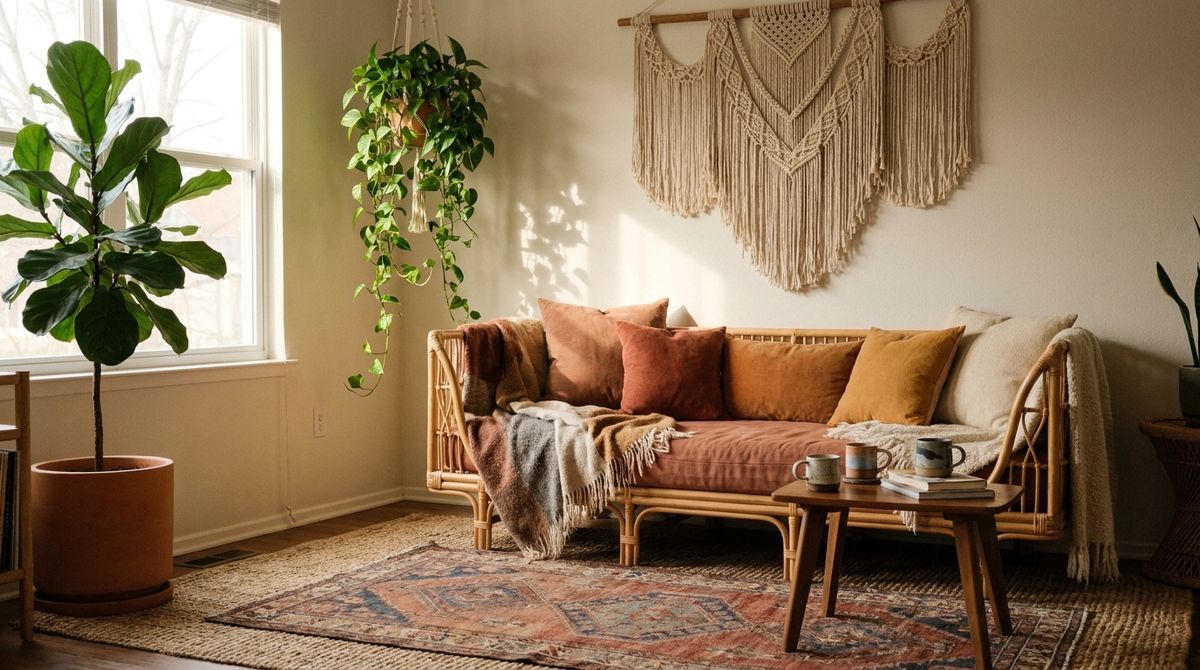
This is where most minimalist rooms fall flat — they forget that texture is what separates a cold room from a calm one. Linen, wool, jute, raw ceramic, and unfinished wood all do heavy lifting.
What most guides miss: a cold minimalist room is usually a lighting and texture problem, not a paint problem. Two fixes do most of the work. Swap to 2700K warm-white bulbs and skip anything labeled 4000K “cool white,” then layer three different textures in the same tonal family, say linen, wool, and raw ceramic. Warm light plus tactile contrast is what turns sterile into serene.
13. Heavyweight Belgian Linen Throw
Price range: $89-$169 |
Stonewashed Belgian linen in oat, fog, or charcoal — heavy enough to drape sculpturally over the arm of a sofa or the foot of a bed. Linen earns its keep because it improves with every wash. Skip cotton-blend imitations; the weight and drape are completely different.
14. Hand-Knotted Jute Area Rug (8×10)
Price range: $329-$549 |
Jute is the unsung hero of warm minimalism — neutral enough to disappear, textured enough to add depth, and durable enough to anchor a living room for a decade. Look for hand-knotted (not braided) construction for a tighter weave that doesn’t shed. Sized at 8×10 to actually fit under a sofa and chairs.
15. Raw-Edge Stoneware Vase
Price range: $49-$129 |
A wide-bellied stoneware vase in unglazed oat or matte charcoal — sized at 10-14 inches tall so it actually reads from across the room. The raw, slightly imperfect edge is the entire point; it’s what keeps minimalist decor from feeling sterile. One on a dining table or console is enough.
16. Unbleached Cotton Bouclé Cushion Cover
Price range: $39-$79 |
Bouclé in its purest form: nubby, natural, and undyed. Two on a sofa adds the textural counterweight that flat upholstery needs. Choose 22-inch square covers with hidden zippers — the larger scale reads more intentional than standard 18-inch throw pillows.
17. Hand-Thrown Ceramic Dinnerware (Set of 4)
Price range: $129-$249 |
A four-piece place setting in matte sand or warm white, with the subtle weight and irregularity that only hand-thrown pottery delivers. Daily use is what justifies the price — these are dishes you’ll keep for fifteen years. Mix sizes and finishes within the same tonal family for the most relaxed effect.
18. Oak Cutting Board with Leather Loop
Price range: $59-$119 |
A thick slab of solid oak, finished with food-safe oil and a small leather hanging loop. Left out on a kitchen counter, it functions as everyday workhorse and decor object simultaneously. This is the kind of quiet, useful object minimalism is actually about.
How to Shop These Pieces Without Overspending
Minimalist decor rewards patience. You don’t need to buy all 18 pieces at once — in fact, you absolutely shouldn’t. Start with the storage and one piece of large-scale art; those two moves do more than the rest of the list combined. Layer in lighting next, then textiles, then the small ceramic objects last.
A few rules that have served us well across hundreds of room consultations:
- Buy storage before accessories. A $129 basket set will improve your room more than a $400 vase ever will.
- Choose one anchor per room. One sculptural light, one large art piece, one statement rug. Resist the urge to anchor with three things at once.
- Match tonal families, not exact colors. Oat, sand, ivory, and bone don’t need to be identical. The slight variation is what creates depth.
- Invest in materials that age well. Solid oak, real linen, hand-thrown ceramic, and natural plaster all improve with use. MDF, polyester, and printed laminate don’t.
- Edit ruthlessly. Once a season, remove everything from a surface, dust it, and put back only what genuinely earns its place. This single habit maintains minimalist decor better than any shopping decision.
If you’re worried about the pitfalls of building this aesthetic too quickly, our guide to common minimalist decor mistakes covers the seven habits that turn calm rooms into cold ones — and how to fix them.
Frequently Asked Questions
What makes minimalist decor different in 2026 than five years ago?
The biggest shift is warmth. The all-white, ultra-modern minimalism of 2018-2020 has been replaced by what designers now call “warm minimalism” — a tonal palette built around oat, sand, oak, plaster, and jute. Less Scandinavian ice, more Mediterranean-meets-Japandi warmth.
How many decor pieces should a minimalist room actually have?
A useful rule: one anchor (a sofa, bed, or dining table), one large statement (art, mirror, or sculptural light), one textural layer (rug or throw), and three to five small accent objects total — not three to five per surface. Most rooms are over-decorated by 40%.
Are expensive minimalist pieces actually worth it?
Yes for anchor furniture, storage, lighting, and rugs — these are the pieces you see and use every day for a decade or more. No for small ceramics, throw pillows, and seasonal accents, where the visible quality gap between $40 and $200 is small.
What’s the single best first purchase for a minimalist room?
Closed storage. A console cabinet, sideboard, or storage bench that absorbs visible clutter does more for the minimalist effect than any decorative object. Buy the storage first; everything else gets easier afterward.
Can warm minimalism work in a small apartment?
It works especially well. The natural materials and tonal palette make small rooms feel larger and calmer, and the emphasis on storage solves the practical problem small spaces face. Stick to a single wood tone and two textile colors throughout.
How do you keep a minimalist room from filling back up?
Use a one-in, one-out rule: every new object that lands on a surface means one existing object leaves. Pair it with a quarterly reset, clearing each surface completely, then returning only what earns its spot. In our consultations, this single habit holds a minimalist room longer than any one purchase.
Final Thoughts
The best minimalist decor in 2026 isn’t about owning less — it’s about owning better. Every piece on this list earns its place through quality, scale, or quiet utility. Start with the storage, add one sculptural light, anchor a wall with a single large piece of monochrome art, and let the rest come slowly.
For the full framework on building a calm, layered, warm-minimalist home from the ground up, our modern minimalist decor guide walks through it room by room. The pieces above are the shortcuts; the guide is the system that holds them together.