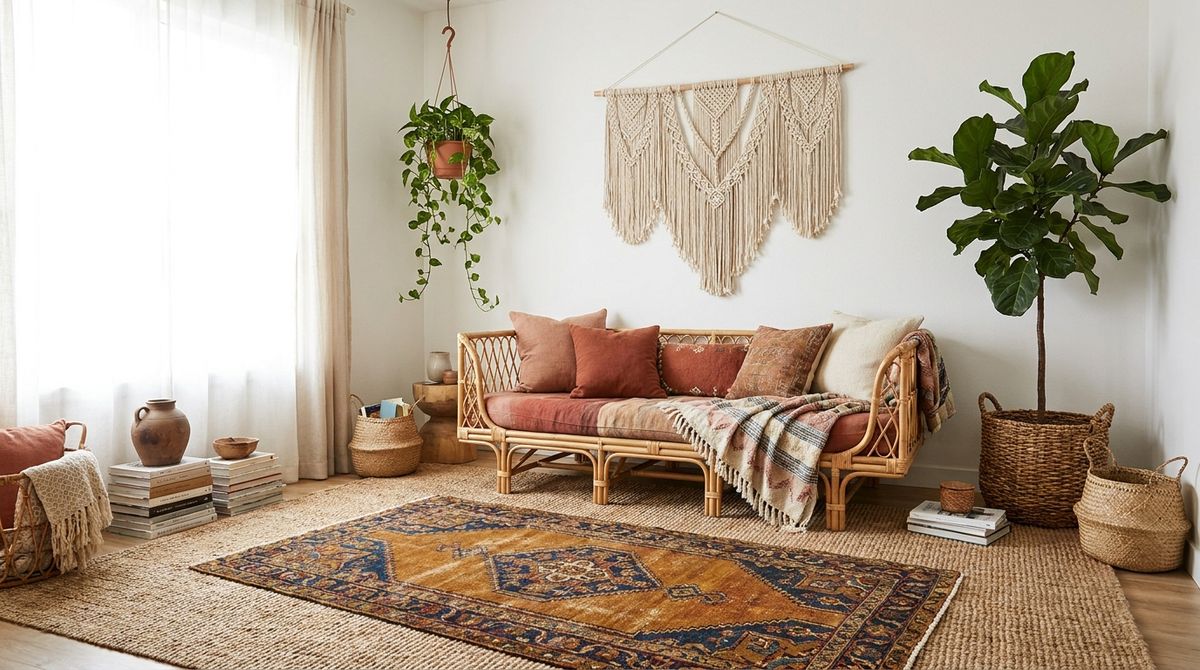
Minimalism doesn’t mean boring. The most compelling minimalist rooms aren’t empty — they’re edited. The secret? Minimalist statement pieces: a small number of intentional, high-impact items that carry the visual weight of an entire space.
This guide shows you exactly how to choose, place, and pair statement pieces so your home feels curated and warm rather than sparse or sterile. No filler furniture. No accent overload. Just five practical methods you can apply this weekend.
Quick Answer: What Is a Minimalist Statement Piece?
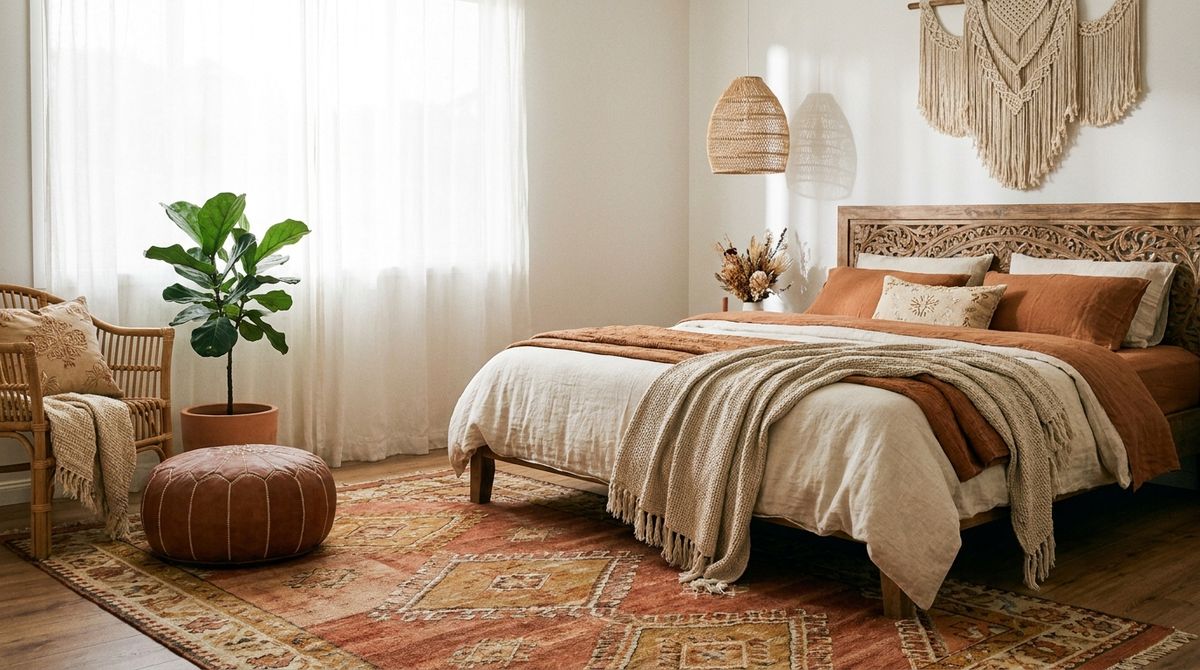
A minimalist statement piece is a single object — furniture, art, lighting, or sculpture — that anchors a room visually while the surrounding space stays deliberately quiet. It works because of contrast: one bold form against many calm ones. Think a sculptural travertine coffee table in a white-walled living room, or an oversized arched mirror above a low, plain console.
The rule of thumb: one statement piece per sightline. If you can see three from where you stand, you’ve crossed into clutter.
1. The One-Per-Zone Rule: Choosing Where Statements Belong
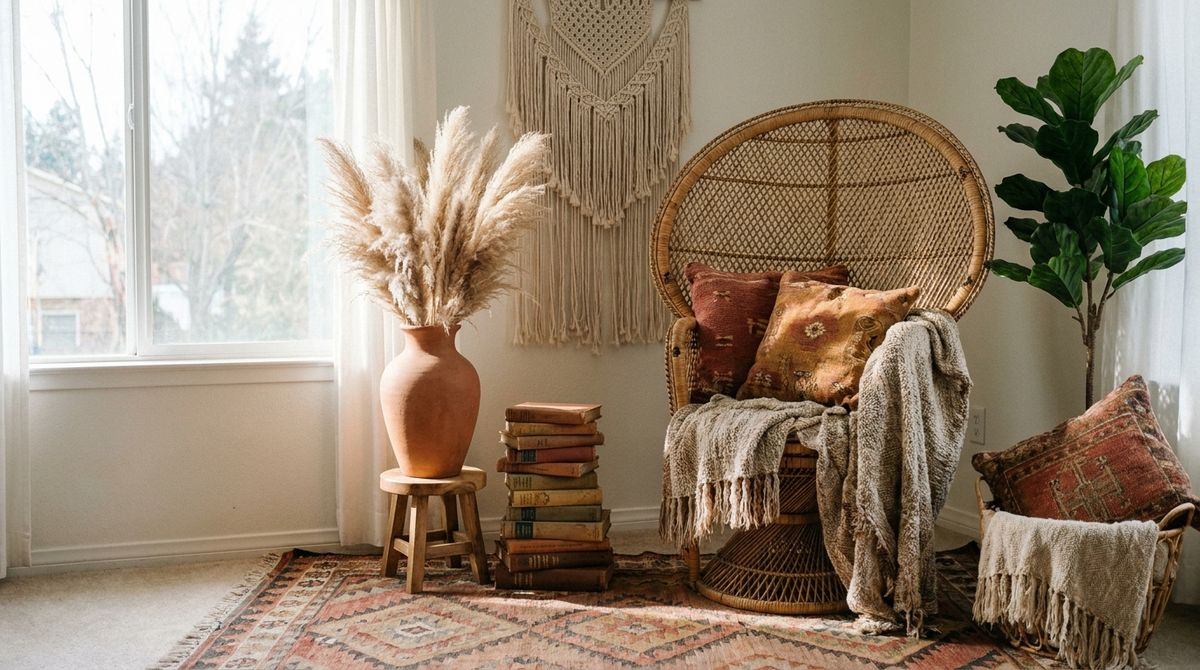
Before you buy anything, map your room into zones. Most living spaces have three to four natural zones — seating, entry, dining, reading nook — and each one can hold exactly one statement.
How to identify a statement zone in 4 steps:
-
Stand at the doorway. Note the first object your eye lands on. That’s your primary focal point.
-
Walk to the room’s center. Identify the second natural focal point — usually opposite the entry.
-
Sit down. From the main seat, what’s directly in your eyeline? That’s the third zone.
-
Assign one statement to each zone. Everything else stays quiet.
Why this works
Minimalism relies on negative space. When two bold pieces share a sightline, they cancel each other out — the eye doesn’t know where to rest, and the room reads as cluttered even with few objects in it.
What most guides miss: the strongest statement wall is the one facing the entry, the first surface your eye meets from the doorway. Reserve it for your single hero and keep the entry-side wall quiet. Hang wall pieces with their center at 57 to 60 inches, standard gallery eye level, and size them to roughly two-thirds the furniture below so they read as the focal point rather than an afterthought.
Actionable takeaway: Walk your living room right now and count visible “loud” objects from your sofa. If you count more than two, one of them is the statement; the others need to go to storage, another room, or the donation pile.
Free · 60 seconds
Not sure which style is actually yours?
Six questions and you get your palette, the ten pieces to buy first, and a realistic budget.
2. The Five Categories of Statement Pieces (With 2026 Price Ranges)
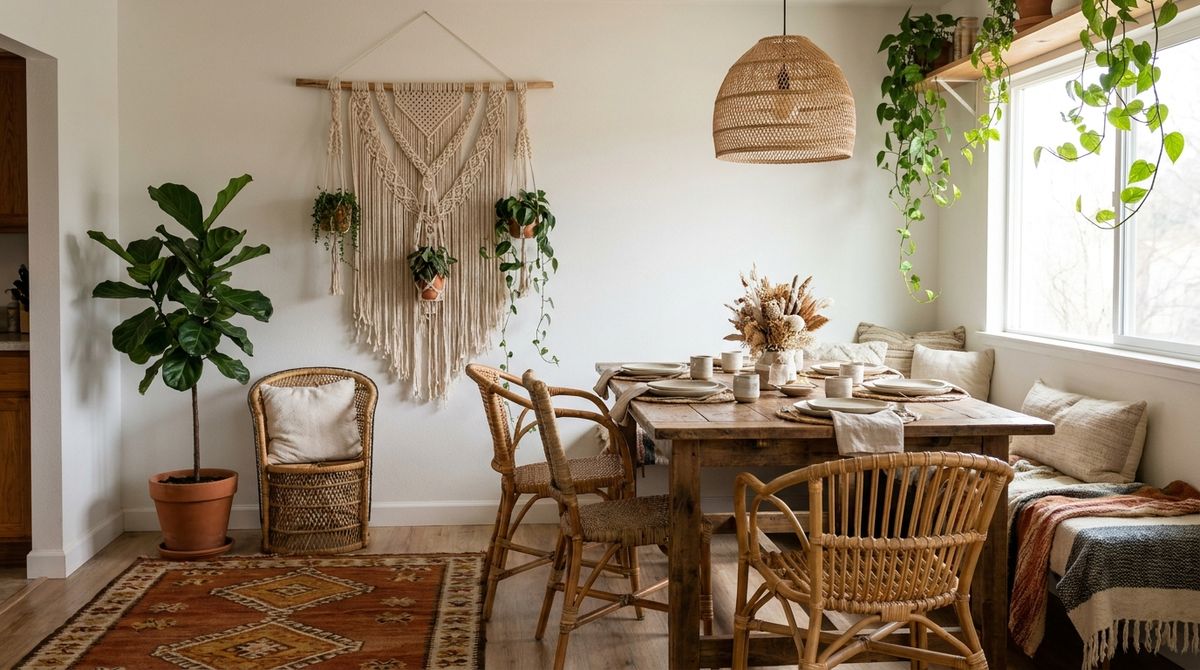
Not all statements are furniture. Here are the five most effective categories for minimalist homes, with realistic price brackets based on current 2026 retail averages.
a. Sculptural Furniture — $400–$3,500
The single most impactful category. A curved bouclé chair, a travertine plinth coffee table, or a Noguchi-style lamp does the work of an entire vignette.
- Budget tier: West Elm, Article, Castlery ($400–$900)
- Mid tier: CB2, Crate & Barrel ($900–$1,800)
- Premium tier: DWR, Knoll, vintage Pierre Jeanneret reproductions ($1,800–$3,500+)
b. Oversized Art — $150–$2,000
One large piece beats five small ones. Aim for art that’s at least two-thirds the width of the furniture beneath it.
- Affordable originals: Saatchi Art, Etsy independent artists ($150–$600)
- Limited prints: Lumas, 20×200 ($300–$900)
- Custom commissions: $800–$2,000+
c. Statement Lighting — $200–$1,500
A sculptural pendant or floor lamp pulls double duty: function plus form. Look for paper, alabaster, or matte metal in oversized shapes.
- Iconic IKEA Regolit-style paper: $40–$120
- Mid-range pendants (Gantri, Tala): $200–$600
- Designer fixtures (Flos, Louis Poulsen): $700–$1,500+
d. Architectural Mirrors — $180–$900
Arched, irregular, or oversized rectangular mirrors expand small rooms while serving as a sculptural object themselves.
- Budget arched (CB2, Target Studio McGee): $180–$350
- Designer (Anthropologie, Soho Home): $400–$900
e. Textile Anchor — $250–$1,200
One large, textured rug or a wool throw in an unexpected shape can anchor a room without adding visual noise.
- Budget wool rugs (Ruggable, Loloi): $250–$500
- Hand-knotted natural fiber: $600–$1,200+
Actionable takeaway: Pick one category per room. Don’t try to layer sculptural furniture and oversized art and a statement pendant in the same zone — choose one hero and let it lead.
3. The 70-20-10 Visual Weight Formula
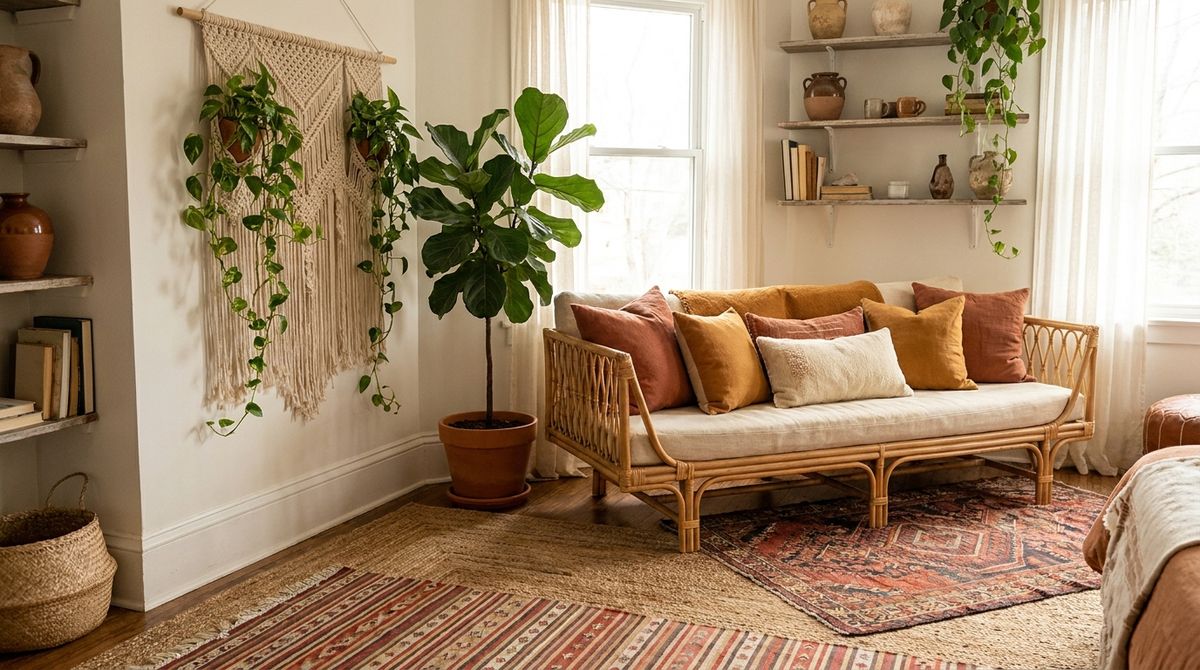
The most reliable way to balance statement pieces with minimalist calm is the 70-20-10 rule applied to visual weight, not square footage.
- 70% quiet: Neutral walls, simple sofas, plain rugs, blank surfaces. This is your canvas.
- 20% supporting interest: Mid-tone textiles, secondary lighting, a few books, a small plant. These add warmth without competing.
- 10% statement: The one or two pieces in the room that do the heavy lifting.
How to audit your current room in 5 steps:
-
Photograph the room with your phone.
-
Convert the photo to grayscale (most phones do this in Edit > Filters).
-
Squint at it. The darkest and most contrasted shapes are your statements.
-
Count them. More than two? You have clutter masquerading as design.
-
Identify which one to keep. Remove or relocate the others.
Why grayscale works
Color tricks the eye into thinking a busy room is balanced. Removing color exposes true visual weight — and shows you exactly where the eye is being pulled.
Actionable takeaway: Run the grayscale test on every room in your home this week. Most people find at least one room where two pieces are fighting for attention.
4. How to Make a New Statement Piece Work in an Existing Room
You found the perfect sculptural chair, but your living room already feels finished. Here’s the integration process.
The 5-step statement integration method:
-
Remove before you add. For every statement piece you bring in, remove two existing accent items. This keeps the visual weight constant.
-
Give it 18 inches of breathing room. No other object should sit within 18 inches of a statement piece. This includes side tables, plants, and other furniture.
-
Pair with a horizontal counterweight. A vertical statement (tall lamp, arched mirror) needs a horizontal balance somewhere in the room — a long, low sofa or a wide rug.
-
Match the undertone, not the color. Your travertine table doesn’t need to match your oak floors in color — they just need to share warm or cool undertones.
-
Wait 72 hours before adding anything else. Live with the piece. The temptation to “complete” the look with extras is the fastest way back to clutter.
Common integration mistakes to avoid
- Buying a matching set (sofa + chair + ottoman in the same bold fabric). One statement, not three.
- Layering statement art over statement furniture. Pick one wall, one floor, one ceiling moment.
- Choosing trend-driven pieces. Statement items should feel timeless — bouclé in 2022 is the warning example. (For more on this, see our guide to common minimalist decor mistakes.)
Actionable takeaway: Before purchasing any statement piece over $500, take a photo of the intended room and mock the piece in with a free tool like IKEA Place or Houzz View in My Room.
5. Building a Statement Strategy Across Your Whole Home
A single great chair is a moment. A coherent statement strategy is a home. Here’s how to plan across rooms.
The whole-home audit (90 minutes, free):
-
List every room that gets daily use.
-
Assign one statement category per room. Living room = sculptural furniture. Bedroom = oversized art. Dining = statement lighting. Entry = architectural mirror.
-
Repeat one material or finish across statements — say, warm brass in three rooms — to tie the home together visually.
-
Budget by hero, not by room. Spend 60% of your decor budget on the statements; 40% on everything else combined. This inverts how most people decorate.
-
Phase purchases over 12 months. Statement pieces deserve consideration. Buying all five in a weekend usually means returning two within six months.
Sample budget allocation for a $5,000 minimalist refresh:
| Room | Statement Type | Budget |
|---|---|---|
| Living | Sculptural coffee table | $1,200 |
| Dining | Pendant light | $700 |
| Bedroom | Oversized art | $600 |
| Entry | Arched mirror | $400 |
| Supporting items (all rooms) | Rugs, throws, small accents | $2,100 |
What most guides miss: for a single room, put 40 to 50 percent of that room’s decor budget into one hero rather than spreading it evenly across ten items. On a $1,500 living-room budget, that means a $600 to $750 statement and the rest on quiet supporting neutrals. Even splits are exactly why so many minimalist rooms end up looking flat and unfinished.
For a deeper look at how minimalist budgets typically break down, see our full breakdown of minimalist decor costs.
Actionable takeaway: Open a notes app and assign one statement category to each room in your home before your next purchase. This single document will prevent more impulse buys than any budgeting tool.
Frequently Asked Questions
How many statement pieces should a minimalist room have?
One primary statement per room, with a possible secondary statement only in larger rooms over 250 square feet. More than two and you’ve crossed from minimalist to maximalist eclectic.
Can a statement piece be inexpensive?
Yes. A $40 IKEA Regolit paper pendant has anchored countless design-magazine living rooms. Statement status comes from form, scale, and placement — not price.
What’s the difference between a statement piece and an accent piece?
An accent piece supports the room’s existing palette and style. A statement piece defines it. If removed, an accent goes unnoticed; a statement leaves a hole.
Do statement pieces work in small apartments?
They work especially well in small spaces because one carefully chosen piece replaces five smaller items, reducing visual clutter while increasing personality. The constraint forces better choices.
How often should I swap out statement pieces?
Rarely. Well-chosen statement pieces are 5-to-10-year investments. Frequent swapping signals trend-following rather than minimalist intentionality. Rotate accent items instead.
What size should a statement piece be?
A statement piece should fill roughly one-third of its wall or sightline. For wall art or a mirror, size it to about two-thirds the width of the furniture beneath. A 40-inch piece on a wide wall reads as an accent; the same spot usually wants 55 to 70 inches to hold the eye.
Key Takeaways
- One statement per sightline. If two bold pieces share a view, one isn’t a statement — it’s clutter.
- Pick one category per room: sculptural furniture, oversized art, statement lighting, architectural mirror, or textile anchor. Don’t mix more than two.
- Use the 70-20-10 visual weight formula. Grayscale photos reveal the truth.
- 18 inches of breathing room around every statement piece — non-negotiable.
- Budget 60% of your decor spend on heroes, 40% on supporting cast. Invert traditional decorating logic.
Minimalism done well is the opposite of empty — it’s intentional. The right minimalist statement pieces give a quiet room its voice, its warmth, and its point of view.
Ready to think bigger about your minimalist home? Start with our complete modern minimalist decor guide, or explore foundational ideas in our overview of minimalist decor.