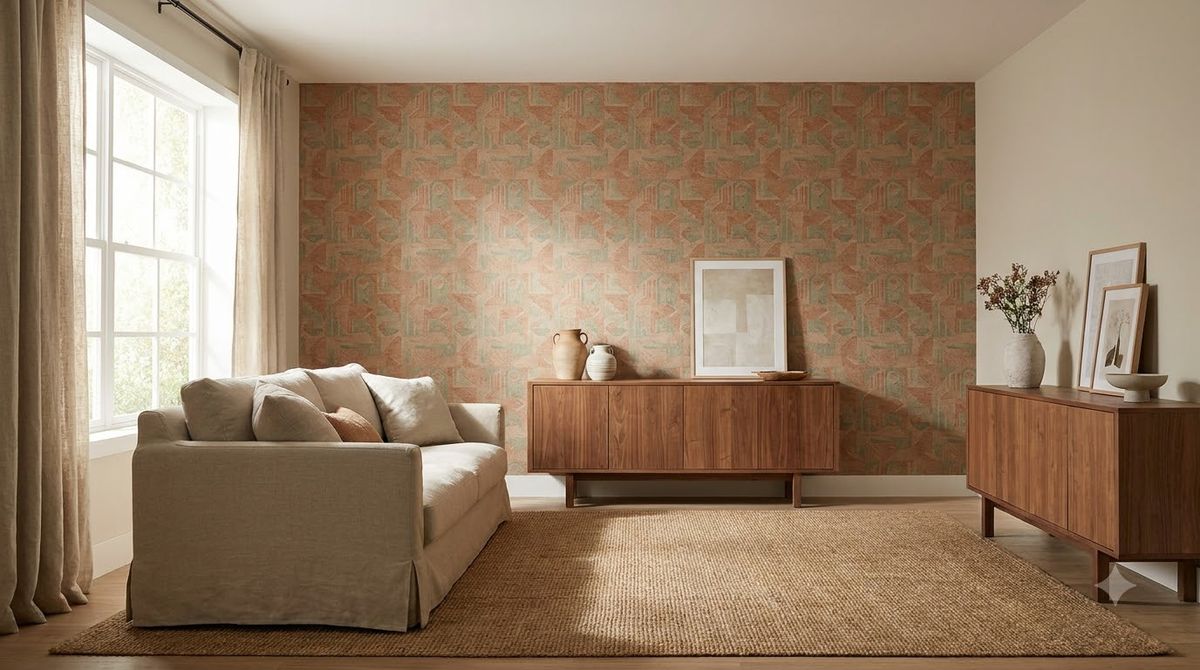
The best accent wall is the first wall your eye hits when you walk into the room, usually the one behind the bed, sofa, or directly facing the door. For renters, the safest way to add one is peel-and-stick wallpaper or a wood slat panel, both removable and both under $150 for a standard wall. Skip paint if you want your deposit back. After doing this in four rentals, here are 25 ideas sorted by method, room, and style, with real prices so you can pick fast.
Key Takeaways
- Pick the wall your eye hits first on entry, typically behind the headboard, behind the sofa, or the wall facing the doorway. One focal wall per room, never two.
- Renters, skip paint. Peel-and-stick wallpaper ($30-90/wall) and wood slat panels ($90-150/wall) both remove clean and beat repainting a deposit-eating color.
- Cost ladder: paint is cheapest ($25-45) but not renter-safe; peel-and-stick is the renter sweet spot; wood slat adds the most texture and resale-video appeal.
- Accent walls are still in style in 2026, but the trend shifted from bold paint to texture: fluted wood, arches, and tonal peel-and-stick lead Pinterest saves.
- Removability is the whole renter question. Every method in the table below notes whether it lifts off without patching.
Which Wall Should Be the Accent Wall?
Choose the wall your eye lands on first when you enter, since a focal wall only works if it’s the one people actually see. Interior designers call this the “sight-line wall,” and it’s usually behind the bed, behind the sofa, or the solid wall facing the door (The Spruce, 2026). Never accent a wall broken up by windows or doors.
Good accent wall candidates, in order:
- The wall behind the bed (headboard wall) – the first thing you see entering a bedroom
- The wall behind the sofa in a living room, or the wall the sofa faces
- The solid wall facing the doorway in any room
- A fireplace or TV wall that already anchors the room
- A niche or chimney breast that’s naturally recessed
Walls to skip:
- Any wall with a window or door cutting through it (the shape fights the effect)
- The wall behind you as you enter (nobody sees it)
- A wall already crowded with shelving or a gallery wall
The fastest test is to stand in the doorway and notice where your eyes go without thinking. That blank spot is your accent wall. Choosing the biggest wall instead of the most-seen one is a common mistake, and it tends to read as random.
What most guides miss: in a long rectangular room, accent the shorter wall, not a long one. A color or texture on a long wall stretches the room further out of proportion, while a deeper tone on the short far wall visually pulls that end closer and squares the space. Also skip the wall that shares a corner with a window: daylight rakes across it and washes the color flat by midday, so the effect you paid for disappears in every afternoon photo.
What Are the Best Accent Wall Methods by Cost and Renter-Safety?
Peel-and-stick wallpaper is the best all-round renter method, costing $30-90 per standard wall and removing without patching, while paint is cheapest at $25-45 but risks your deposit. Below is the full comparison. Roughly 1 in 3 renters cite lost deposits from paint as their top decor regret in home forums, so removability matters more than price for most.
Accent wall method comparison
| Method | Cost per wall | Effort | Renter-safe | Removability |
|---|---|---|---|---|
| Paint | $25-45 | Medium (1 day) | No | Must repaint |
| Peel-and-stick wallpaper | $30-90 | Low (2-3 hrs) | Yes | Peels off clean |
| Wood slat / fluted panel | $90-150 | Medium (half day) | Yes* | Unscrew, patch small holes |
| Textile / tapestry hang | $20-60 | Low (1 hr) | Yes | Lifts off, zero damage |
| Large mirror cluster | $60-200 | Low (1 hr) | Yes | Command strips, no holes |
| Framed grid / oversized art | $40-180 | Low (1-2 hrs) | Yes | Command strips |
*Wood slat is renter-safe if mounted with heavy-duty adhesive strips or a French cleat; screwed panels leave small, patchable holes.
Quick pick by priority:
- Cheapest that looks intentional: peel-and-stick wallpaper
- Most texture and video-worthy: wood slat panel
- Zero tools, zero holes: textile hang or Command-strip mirror cluster
- You own the place: paint, then anything
For a broader budget breakdown, see our guide to wall decor on a budget.
What Are the Best No-Paint Accent Wall Ideas for Renters?
The top no-paint options are peel-and-stick wallpaper, removable wood slat panels, and large textile hangs, all reversible and all under $150. Peel-and-stick alone covers most rental needs: brands like Tempaper, RoomMates (at Target), and generic Amazon rolls run $30-90 per accent wall and lift off in one piece when you move.
No-paint, renter-safe ideas:
- Peel-and-stick wallpaper in a tonal or textured print (Tempaper, RoomMates from Target, Amazon rolls): $30-90
- Wood slat panels with adhesive backing (IKEA-hack with pine lath, or pre-made acoustic panels on Amazon): $90-150
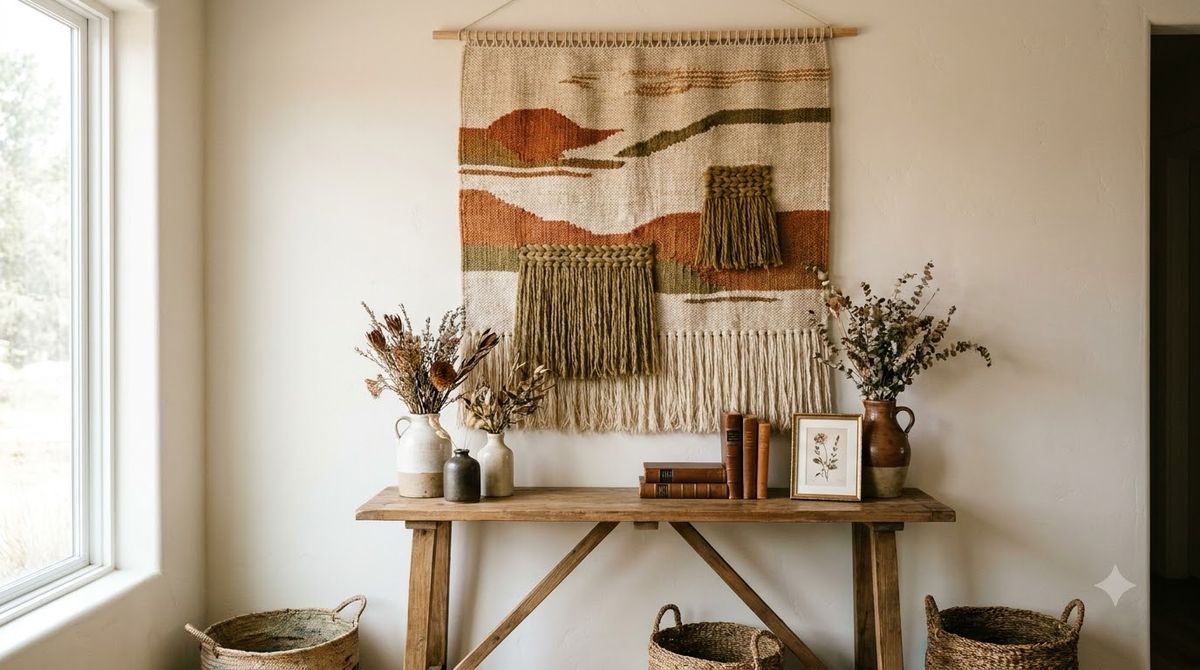
- A large woven tapestry or flatweave rug hung as a wall panel: $20-60
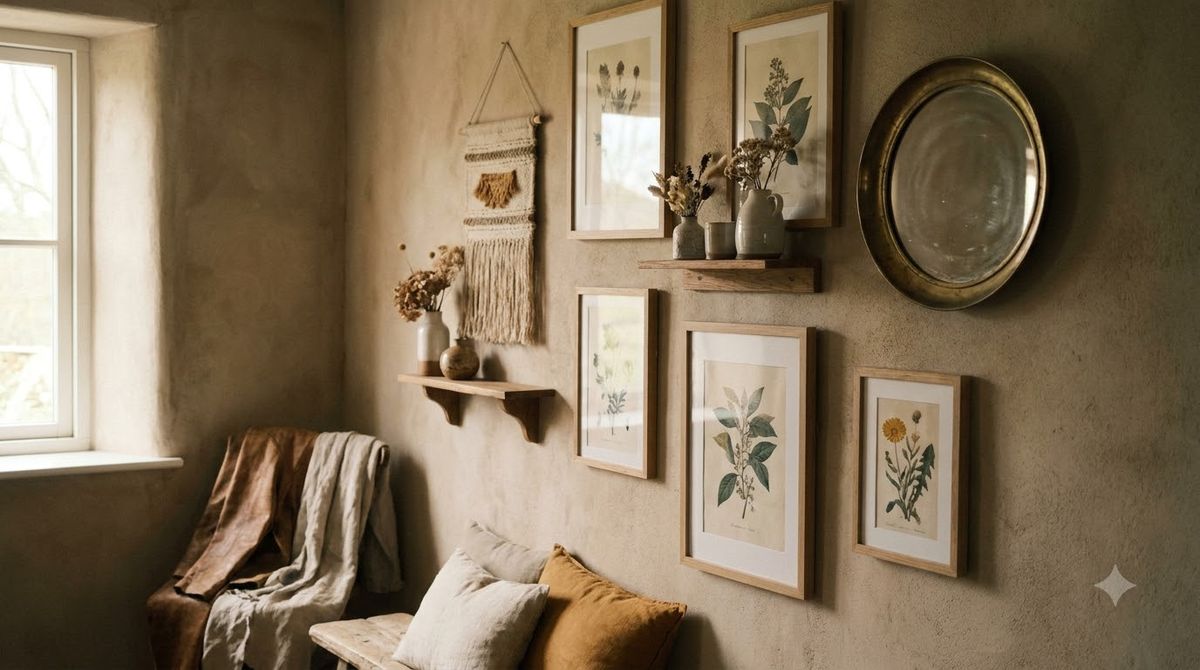
- A grid of 6-9 identical frames covering the wall like wallpaper: $40-120
- A cluster of round mirrors in graduated sizes on Command strips: $60-200
- Peel-and-stick tile or brick veneer for a textured half-wall: $40-100
- Fabric stretched on a lightweight frame and leaned or hung: $25-50
We ran the same rental bedroom two ways: a $38 roll of terracotta peel-and-stick from Target versus a $110 pine slat panel we built from IKEA lath. The wallpaper took 2 hours and removed clean when we left. The slat wall took a Saturday but showed up in every photo of the room. Both got the deposit back.
For a room-by-room version of this, our bedroom accent wall ideas post goes deeper on headboard walls specifically.
What Are the Best Accent Wall Ideas by Room?
Each room wants a different accent method because sight lines and moisture levels differ, so match the method to the room rather than copying one look everywhere. Bedrooms favor calm texture behind the bed; living rooms want the sofa or TV wall; bathrooms need water-safe peel-and-stick tile.
Bedroom
- Behind the headboard: peel-and-stick in a soft tonal print, or a wood slat panel for a hotel-headboard effect
- Keep it low-contrast so the room still reads restful
- Pair with our floating shelf wall styling for bedside symmetry
Living room
- Behind the sofa or the TV wall: oversized art grid, fluted wood, or a bold peel-and-stick
- A mirror cluster on the sofa-facing wall bounces light in small rentals
- More layouts in our living room wall decor ideas
Home office
- The wall behind your desk (the video-call wall): wood slat or a framed print grid
- Cork or fabric panels double as a pinboard
Bathroom
- The wall behind the vanity mirror: water-rated peel-and-stick tile or vinyl
- Skip real wood; humidity warps unsealed slats
Entryway
- The wall facing the front door: a single bold peel-and-stick strip plus a leaning mirror
- Great for narrow walls where furniture won’t fit
What Are the Best Accent Wall Ideas by Style?
Match the accent method to your aesthetic so the wall reinforces the room’s style instead of fighting it. Texture-led accents (fluted wood, arches, tonal wallpaper) lead 2026 Pinterest saves over the flat bold-paint look that peaked around 2020.
- Boho: a woven textile hang, or terracotta and cream peel-and-stick with an arch shape
- Japandi / minimalist: vertical wood slat in warm oak, nothing else on the wall
- Modern / MCM: a geometric peel-and-stick, or a walnut fluted panel
- Coastal: shiplap-look peel-and-stick in white or pale blue
- Farmhouse: faux brick or board-and-batten (removable adhesive versions exist)
- Dark academia / moody: deep green or oxblood peel-and-stick behind the bed or sofa
- Maximalist: a large-scale floral or mural peel-and-stick, one wall only
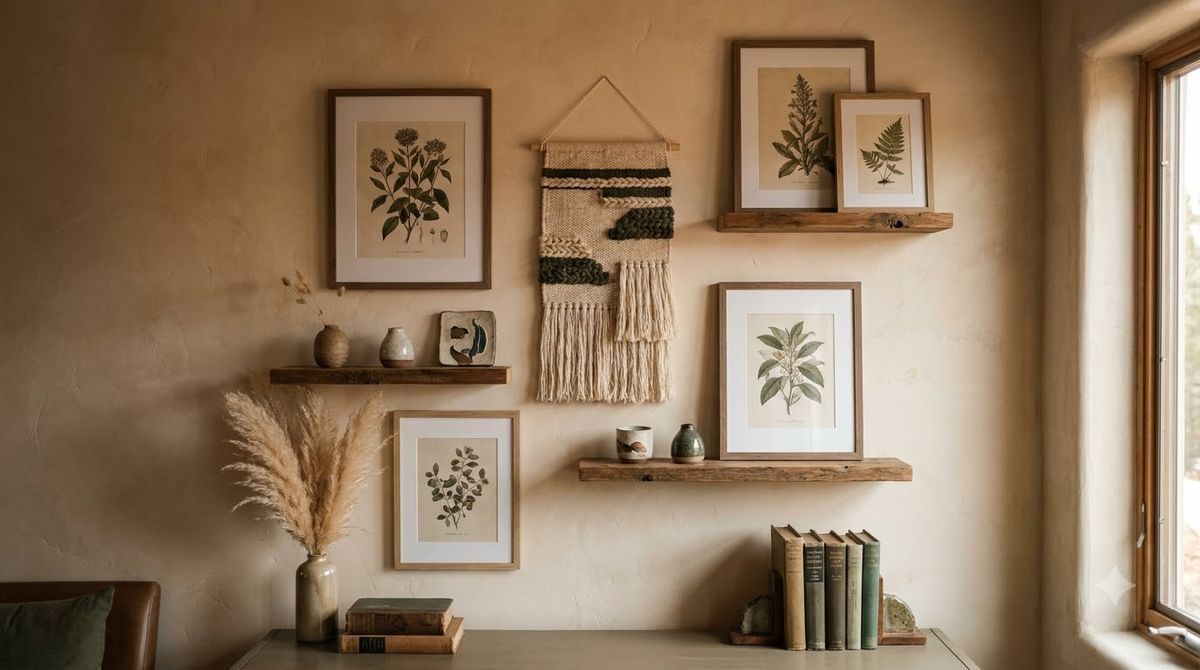
If you’d rather build the focal point from art instead of the wall surface, our DIY wall art ideas on the cheap covers grids and oversized prints that create the same effect for less.
How Do You Install and Remove a Renter Accent Wall Safely?
Test one strip in a hidden corner before committing, since peel-and-stick adhesion varies with paint type and matte or eggshell walls hold best. Most renters lose no deposit when they follow three steps: clean the wall, apply in daylight, and remove slowly at a low angle. Rental-damage disputes drop sharply when tenants document the wall before and after (House Beautiful, 2026).
Install checklist:
- Wipe the wall with a slightly damp cloth, let it fully dry
- Start from the top corner, smooth downward with a card to push out bubbles
- Overlap seams by about 1/2″ and match the pattern before pressing
- For wood slat: use a French cleat or heavy adhesive strips rather than screws where possible
Remove without damage:
- Peel from a top corner at a low, flat angle – slow is the whole trick
- Warm stubborn adhesive gently with a hair dryer
- Fill any slat screw holes with a dab of spackle and touch-up paint
What most guides miss: peel-and-stick only comes off clean if you take it down within roughly two to three years. Left up longer, especially in a warm room, the adhesive cures onto the paint and can lift the top layer when pulled. It also won’t bond to textured, orange-peel, or freshly painted walls, so wait three to four weeks after any repaint before applying. That single timing detail is the real reason behind most “it peeled my paint off” stories, not the product itself.
Still staring at a blank room? Our empty wall ideas guide helps you decide between an accent wall and simpler art.
Frequently Asked Questions
Which wall should be the accent wall?
Choose the wall your eye hits first when you enter, usually behind the bed, behind the sofa, or the solid wall facing the doorway. Avoid walls broken up by windows or doors, since the shape fights the focal effect. One accent wall per room is the rule.
Are accent walls still in style in 2026?
Yes, but the look shifted from bold single-color paint to texture. Fluted and slat wood, arched shapes, and tonal peel-and-stick wallpaper now lead Pinterest saves. A flat, high-contrast painted wall reads dated; a textured or tonal one reads current.
How do renters make an accent wall without losing a deposit?
Use peel-and-stick wallpaper ($30-90 per wall) or a wood slat panel mounted with adhesive strips ($90-150). Both remove clean. Test one strip in a hidden corner first, apply on a matte or eggshell wall, and remove slowly at a low angle when you move out.
How much does an accent wall cost?
Paint runs $25-45 per wall but isn’t renter-safe. Peel-and-stick wallpaper costs $30-90, wood slat panels $90-150, and a textile hang just $20-60. For renters, peel-and-stick is the sweet spot on both price and removability.
Can you do an accent wall without paint?
Yes. Peel-and-stick wallpaper, removable wood slat panels, large textile hangs, framed art grids, and mirror clusters on Command strips all create a focal wall with no paint and no damage. Peel-and-stick covers most rental needs for under $90.
Should the accent wall be darker or lighter than the other walls?
Usually darker or deeper. A richer tone recedes and adds depth behind a bed or sofa, which is why designers lean that way. In a small or low-light room, a tonal shade two to three steps off the main color reads current without shrinking the space. Very high contrast is the most common mistake.