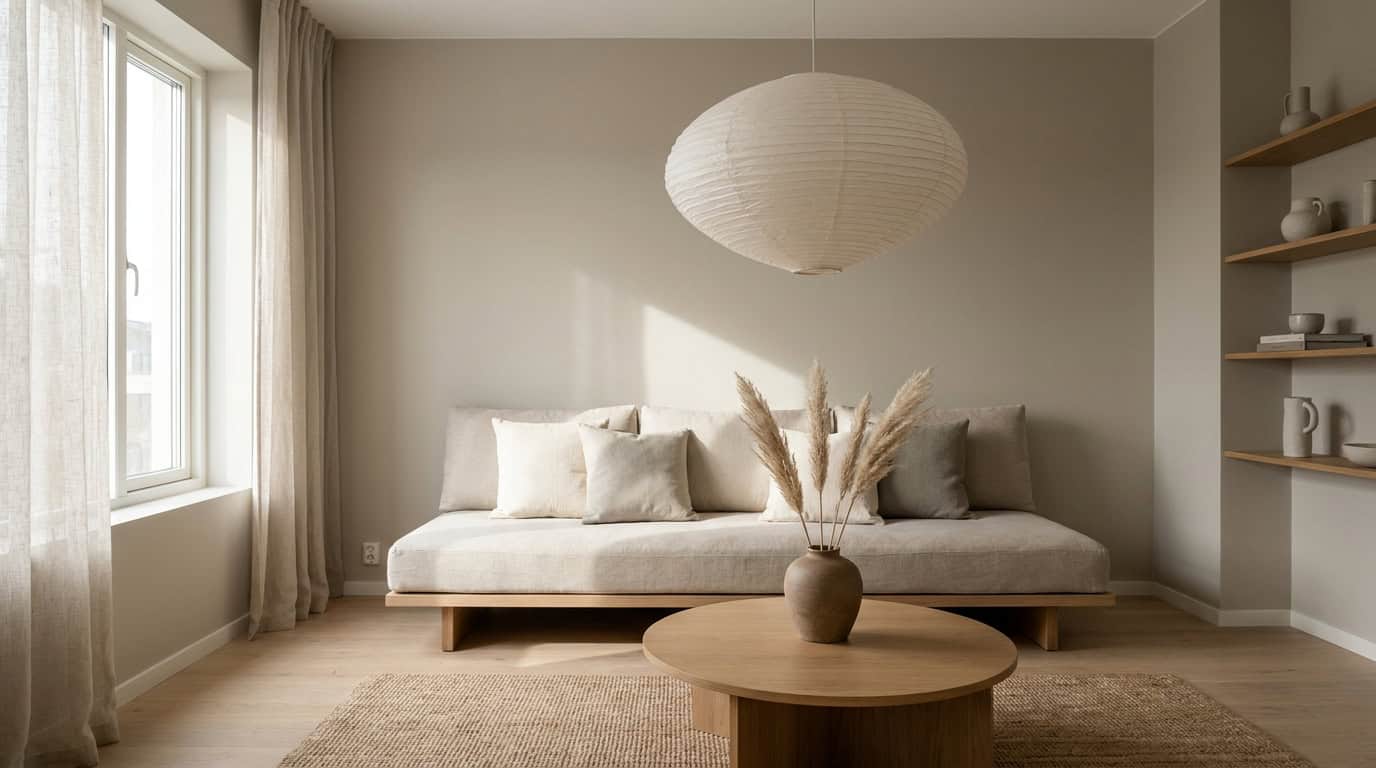
A full Japandi room is a project. A Japandi corner is a weekend. We pulled 18 corner setups from styled rooms — each is reproducible with $80–150 in about two hours. The before-and-after is shareable; the formula is teachable.
These are not mood board fantasies. Every corner below uses real objects you can find at Target, Amazon, or IKEA this week. We’ve broken down the setup, the cost, and exactly why it photographs well enough to rack up saves.
Key Takeaways
- Five distinct types: living room, bedroom, entryway, office/study, and kitchen/dining corners
- Average cost per setup: $80–150 — most achievable in a single Target + Amazon order
- Why these go viral on Pinterest: high-contrast muted palettes photograph cleanly, and the negative space gives the image room to breathe
- The styling anchor: every Japandi corner follows a 3-element structure — anchor + texture + life
- Renter-friendly: 15 of the 18 setups require zero wall modifications
The Japandi Corner Formula
Before the list, here is the repeatable structure behind every corner that earns saves on Pinterest. Master this and you can riff on any of the 18 setups below.
Element 1 — The Anchor. One large or mid-weight piece that gives the corner purpose. A chair, a low bench, a shelf unit, a console. This sets the corner’s function (reading, display, entry ritual) and occupies roughly 40–50% of the visual frame.
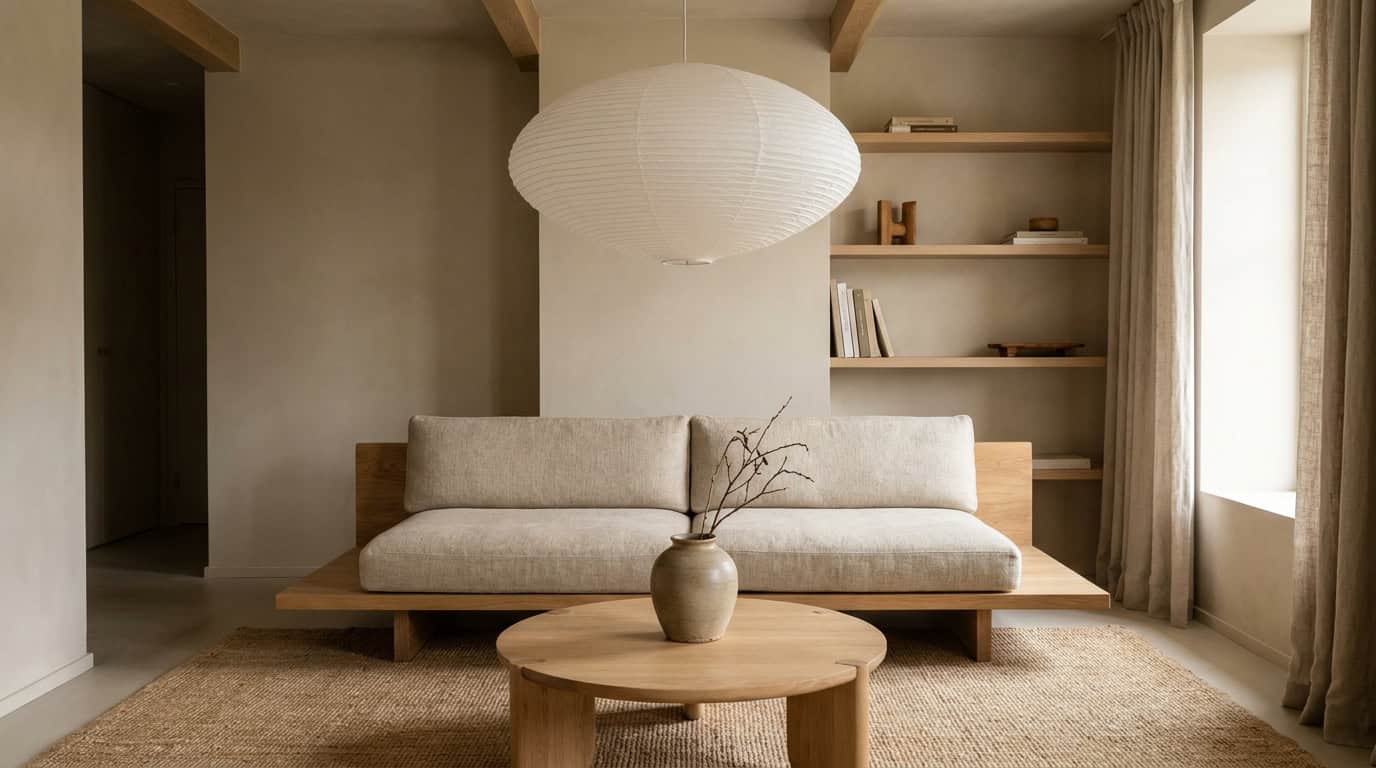
Element 2 — The Texture Layer. One object that introduces tactile warmth: a jute rug, a woven throw, a linen cushion, a rattan basket, a raw-edge wood tray. Japandi corners fail when everything is smooth — the textural contrast is what makes the image feel alive.
Element 3 — The Living Thing. One plant or botanical element. This does not have to be large. A single pothos in a ceramic pot, a small snake plant, a dried pampas stem in a bud vase. The organic shape breaks the geometry and adds the natural-world element that defines both Japanese and Scandinavian sensibility.
Lighting layer (bonus). A floor lamp, a paper lantern, or a plug-in wall sconce adds warmth and depth that overhead lighting cannot. Use warm white bulbs (2700K–3000K). This is the detail that separates a good corner from a pinnable one.
Negative space ratio. Aim for 30–40% empty wall. Resist filling every surface. The restraint IS the aesthetic.
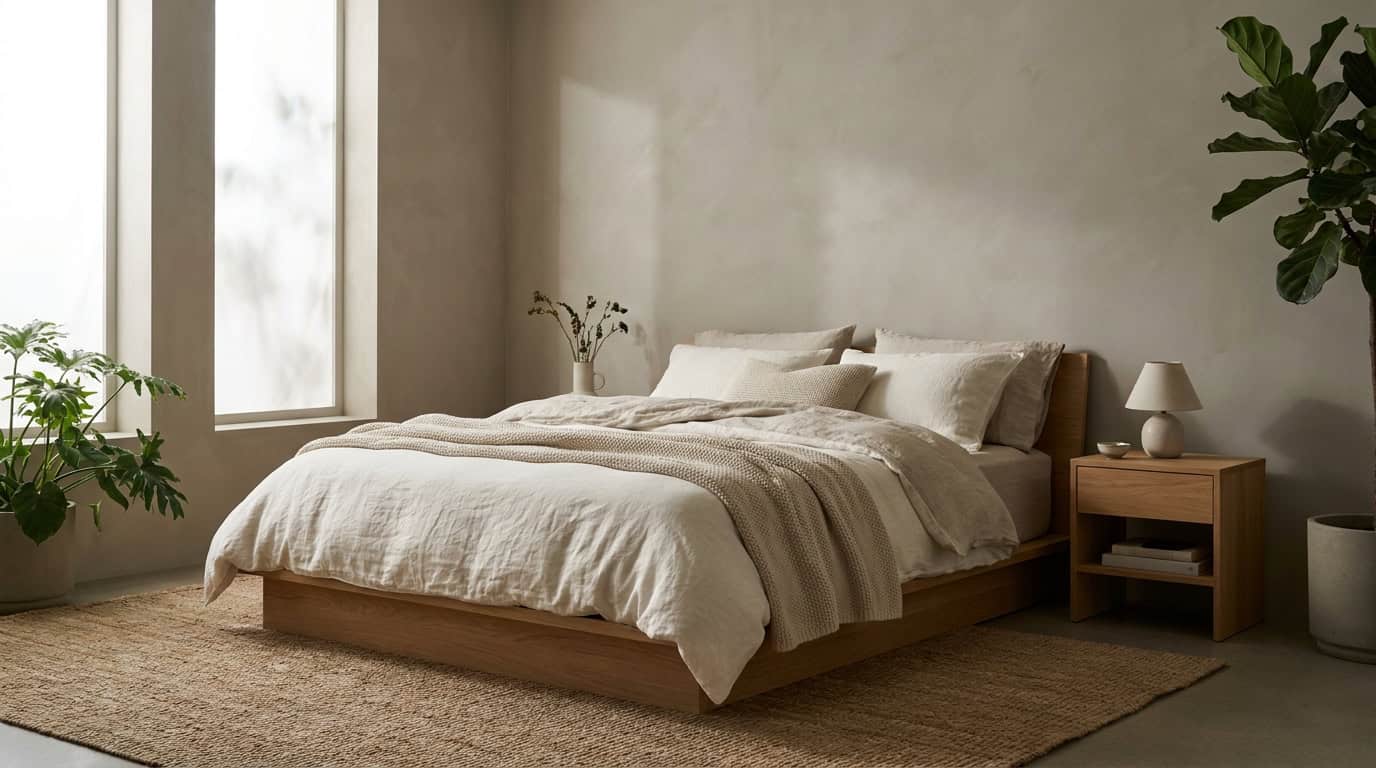
18 Aesthetic Japandi Corners & Nooks
Living Room Corners
1. Window Reading Nook — Linen Chair + Warm Floor Lamp
Setting: Living room window alcove, natural light from the side.
3 objects: Low-profile linen armchair (IKEA POÄNG with linen cover, $120), slim arc floor lamp in matte black ($45, Amazon), and a small ceramic planter with a trailing pothos ($18).
Why it works: The arc lamp frames the chair without requiring a side table, keeping the footprint tight. The trailing plant softens the geometric window frame.
Cost estimate: ~$110–140
2. Sofa-Side Console Corner — Display + Functional
Setting: Living room, narrow wall beside a sofa end.
3 objects: Slim oak console table ($85, Target threshold line), a bundle of three varying-height bud vases in cream and matte gray ($22), and a single large-leaf plant (monstera or fiddle leaf) in a woven seagrass basket ($35).
Why it works: The console gives the corner a defined vertical axis. Varying vase heights create rhythm without clutter.
Cost estimate: ~$100–130
3. Plant Cluster Corner — Layered Greenery
Setting: Living room corner with no furniture, floor space only.
3 objects: Three plants at different heights — tall snake plant in a dark stoneware pot ($40), medium ZZ plant in a woven basket ($28), small ceramic succulent tray ($15) — arranged in a loose triangle on a round jute rug ($30).
Why it works: The jute rug unifies what would otherwise read as a random collection. The triangle composition creates depth in a flat corner.
Cost estimate: ~$80–110
4. Vintage Trunk + Arc Lamp Corner
Setting: Living room corner beside a bookcase or TV console.
3 objects: Vintage-style storage trunk used as a low table ($65, World Market), a tall arc floor lamp in brushed brass ($55, Amazon), and a single thick linen throw folded over the trunk’s edge ($30).
Why it works: The trunk adds function (storage) and warmth (aged texture). The arc lamp gives height contrast. The throw introduces the soft textile layer.
Cost estimate: ~$120–150
5. Low Bench + Ceramic Corner — Wabi-Sabi Display
Setting: Living room wall nook, no window required.
3 objects: Low walnut-stained wood bench ($70, IKEA SKOGSTA repurposed), a cluster of three handmade-look ceramics in varying sizes ($25–35 for a set), and a single dried cotton stem or pampas grass in a slim terracotta vase ($18).
Why it works: Dried botanicals photograph beautifully and never die. The bench anchors the display at seated eye level — the ideal viewing height for Pinterest crop ratios. See our guide to wabi-sabi Japandi principles for the fuller philosophy behind this approach.
Cost estimate: ~$90–120
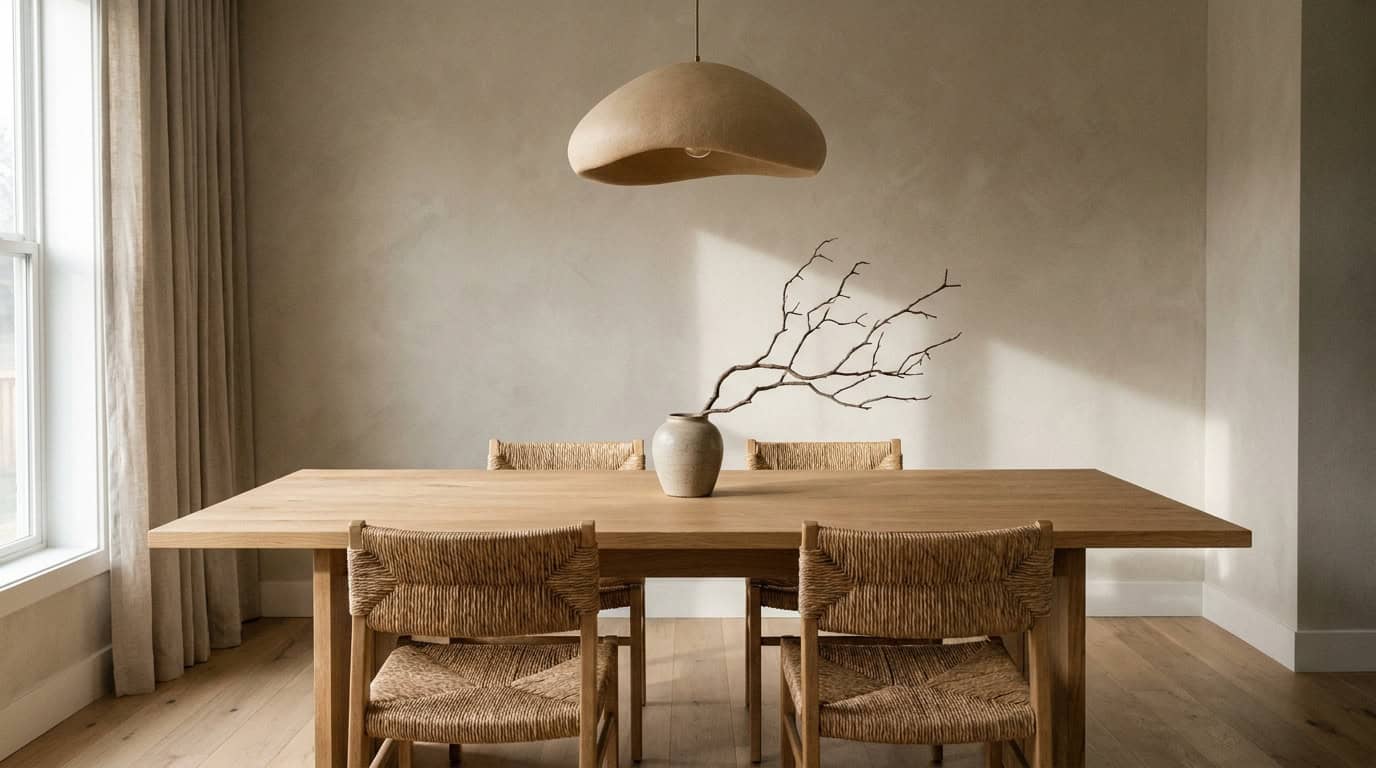
Bedroom Corners
6. Floor Cushion Meditation Spot — Zen Corner
Setting: Bedroom corner, opposite the bed, ideally with morning light.
3 objects: Large floor cushion in natural linen or undyed cotton ($45, Amazon basics or Target Studio McGee line), a small rattan tray on the floor with a candle and a smooth river stone ($20), and a hanging or freestanding air plant in a minimal ceramic holder ($15).
Why it works: The low sightline is distinctly Japanese in feel. It photographs well from above (great for Pinterest vertical crops) and signals intentional calm rather than empty corner.
Cost estimate: ~$70–85
7. Bedside Floor Lamp + Book Stack Corner
Setting: Bedroom, beside the bed on the non-nightstand side.
3 objects: Tripod floor lamp in light wood finish ($65, Amazon), a curated stack of 4–5 books with neutral spines (turn colorful ones spine-in), and a small trailing plant — string of pearls or pothos — in a hanging ceramic pot ($22).
Why it works: The asymmetry of a floor lamp versus a traditional nightstand lamp creates visual interest. The book stack is both functional and aesthetic. This setup works particularly well in small bedrooms where a full nightstand crowds the space.
Cost estimate: ~$90–115
8. Vanity Nook Corner — Minimal Ritual Space
Setting: Bedroom corner used as a grooming or skincare station.
3 objects: Slim oak or bamboo vanity table with a round mirror ($95, Amazon), a small tray organizing 3–4 items maximum (keep the surface ruthlessly edited), and a small succulent or air plant in a white ceramic pot ($12).
Why it works: The round mirror softens the corner’s geometry. The tray enforces the Japandi rule of “everything in its place.” Keeping only 3–4 items on the tray is the hard part — and the most important part.
Cost estimate: ~$120–140
9. Blanket Ladder + Plant Corner
Setting: Bedroom corner, beside a window or closet door.
3 objects: Leaning wooden blanket ladder in light ash or walnut stain ($40, Target or Amazon), two folded throws in muted tones — taupe and sage work well ($25 each), and a floor plant in a raw clay pot beside the ladder base ($30).
Why it works: The vertical line of the ladder draws the eye up and makes the corner feel taller. Layering two throw colors — one neutral, one with a muted organic tone — adds depth without breaking the palette. Explore more Japandi color palette options to match your throws precisely.
Cost estimate: ~$110–130
Entry & Hallway Corners
10. Genkan-Inspired Shoe Bench Corner
Setting: Entry hallway, directly beside the front door.
3 objects: Low slatted wood bench ($55, IKEA ASKERSUND or similar), a woven rattan basket underneath for shoe storage ($25), and a small sculptural object on top — a smooth stone, a ceramic figure, or a single dried branch in a bud vase ($15).
Why it works: The genkan concept (Japanese entryway ritual zone) gives arriving and leaving a physical moment of pause. The basket hides clutter; the sculptural element gives the eye something intentional to land on. This is one of the highest-save corner formats on Pinterest because it solves a real problem aesthetically.
Cost estimate: ~$85–110
11. Console + Paper Lantern Entryway Corner
Setting: Entry or hallway with ceiling height of 8ft+.
3 objects: Slim black or dark walnut console table ($75, Amazon), a hanging paper lantern pendant (plug-in or battery, $25), and a single large sculptural vase with dried eucalyptus ($30).
Why it works: The paper lantern is distinctly Japanese in texture and casts a warm diffused glow that reads beautifully in photos. The tall dried eucalyptus gives height and scent. This corner photographs well even in lower-light entry halls.
Cost estimate: ~$100–135
12. Narrow Shelf Gallery Corner
Setting: Hallway or entry with a blank narrow wall (as little as 18″ wide).
3 objects: Two floating shelves in light oak at staggered heights ($30 total, IKEA LACK or similar), a curated 3-piece display — one small framed print, one ceramic object, one small plant — and a narrow jute runner on the floor below ($20).
Why it works: The staggered shelf heights create asymmetric balance, a key Japanese design principle. The runner defines the zone even in a corridor with no natural corner break. This is the most renter-friendly setup in the entire list — two Command strip shelves and a rug.
Cost estimate: ~$80–100
Office & Study Corners
13. Desk Corner with Linen Lamp + Shelf
Setting: Home office corner, desk pushed into the corner or against a wall.
3 objects: Linen drum table lamp beside the monitor ($35, Target), a single floating shelf above the desk with 3 items maximum — one plant, one small art piece, one functional object ($25 for shelf + display), and a desk mat in undyed leather or cork ($30).
Why it works: The linen shade diffuses light softly and adds the textile layer the corner needs. The strict 3-item shelf rule keeps it Pinterest-clean and prevents the desk corner from becoming a visual dumping ground. See the full how to start Japandi decorating guide for desk corner principles.
Cost estimate: ~$90–115
14. Floating Shelf Workspace Corner
Setting: Office corner used as a secondary display or reference shelf setup, no desk required.
3 objects: Three staggered floating oak shelves at varied depths ($45 total), a small trailing plant in a hanging ceramic planter at the top shelf ($20), and a row of books with neutral-toned spines plus one or two ceramics distributed across the shelves ($25–40 for the display objects).
Why it works: Using three shelves instead of two gives the composition a rhythm — top (plant), middle (books + ceramic), bottom (books + functional object). This hierarchy reads clearly at a glance, which is exactly what drives Pinterest saves.
Cost estimate: ~$90–130
15. Paper Screen Behind Chair Corner
Setting: Office or study corner, armchair or reading seat with a shoji-style screen placed behind or beside it.
3 objects: Folding shoji-style paper screen in natural bamboo frame ($55, Amazon), a low-profile reading chair in linen or natural cotton ($85–120), and a small side table with a single candle or diffuser ($20).
Why it works: The shoji screen is the single highest-impact object in this entire list for Japandi aesthetic signaling. It instantly communicates the Japanese half of the blend. It also functions as a room divider in open-plan spaces. This is the corner that photographs most distinctively — the translucent panels catch light in a way that no other object does.
Cost estimate: ~$130–155
Kitchen & Dining Corners
16. Tea Station Shelf Corner
Setting: Kitchen counter corner or small floating shelf beside the kettle zone.
3 objects: A round raw-wood tray organizing the tea station ($22, Amazon), a small ceramic tea canister set in matte white or celadon ($28), and a single small potted herb — rosemary or a compact bamboo — in a minimal stoneware pot ($15).
Why it works: The tea station corner is distinctly Japanese in ritual logic (the way of tea, or chado, emphasizes intentional preparation). The raw-wood tray unifies the objects and makes the display feel curated rather than cluttered. This corner is highly repinnable because it blends beauty with function — something your audience actually uses daily.
Cost estimate: ~$65–90
17. Breakfast Nook Banquette Corner
Setting: Kitchen or dining area corner with a bench seat built-in or a freestanding banquette.
3 objects: A low bench with a linen cushion along the corner wall ($70–90 for a freestanding bench + cushion), a small round walnut dining table ($120, but often already owned), and a single stem vase with dried flowers or a small succulent at the table center ($15).
Why it works: The banquette corner transforms a dead dining corner into the most-used spot in the kitchen. The linen cushion ties it to the Japandi palette; the single stem vase keeps the surface minimal. If the table is already in your space, this setup costs under $100 to complete.
Cost estimate: ~$80–110 (excluding existing table)
18. Herb Shelf with Raw Wood Corner
Setting: Kitchen windowsill corner or a floating shelf beside the window.
3 objects: A raw-edge wood shelf or a simple live-edge slab on brackets ($35–50), three small herb plants in matching terracotta pots — basil, thyme, rosemary ($18 for a set at most grocery stores or Home Depot), and a small ceramic label or hand-lettered tag for each pot ($8).
Why it works: The raw-edge wood introduces the wabi-sabi material principle — imperfect, organic, unrepeated grain. The matching terracotta pots give visual order. The hand-lettered labels add the craft element that elevates this from a kitchen herb shelf to a styled corner. This is a $50–75 corner that photographs like a $500 kitchen renovation.
Cost estimate: ~$60–80
DIY Weekend Plan: Pick One and Build It
Pick any corner from the list above. Here is the Sunday workflow.
Saturday — shop:
- Target: linen cushion or throw, ceramic planter, basic shelf if needed
- Amazon: floor lamp, jute rug, or specific anchor piece (order by Thursday for weekend arrival)
- IKEA (or IKEA online): bench, shelf units, tray
- Home Depot or grocery: live plants or herbs
Sunday morning — clear:
Remove everything from the target corner. Stand in the corner doorway and photograph the blank space. This becomes your before photo.
Sunday afternoon — build:
-
Place the anchor piece first. Adjust until it feels right — don’t rush this.
-
Add the texture layer (rug, throw, or tray). Step back and look.
-
Add the living element last. Adjust plant height or placement until the composition balances.
-
Add lighting if applicable — plug in the lamp, adjust the angle.
-
Edit ruthlessly: if there are more than 5 objects visible, remove one.
Photograph: Natural side light is ideal. Shoot from standing height (not angled down). The empty wall above and beside the corner should be visible in the frame — that negative space is working for you.
For the full budget breakdown on building out a Japandi home corner by corner, see our Japandi budget and cost guide.
3 Mistakes That Flatten a Japandi Corner
1. Too many objects (more than 5 visible items).
The eye cannot rest. The serene quality of Japandi depends on restraint. If your corner has six or more objects in the frame, remove until you feel the discomfort of emptiness — then stop one object before that. That is your edit point.
2. Wrong wood tone — orange-leaning oak instead of cool walnut or ash.
Orange-toned pine and cheap “oak veneer” furniture read warm in the wrong way. Japandi wood tones lean toward the gray-brown spectrum: cool walnut, ash, raw teak, or bleached light oak. Check the undertone before buying. Hold the piece against a white wall — if it glows orange, it will fight the palette.
3. A single bright accent color.
One red pillow, one cobalt vase, one mustard cushion — any single bright object in a muted Japandi corner destroys the tonal harmony and signals “generic decor” to the algorithm. If you want color, introduce it at very low saturation: dusty sage, pale terracotta, muted indigo. Nothing that pops. The goal is a palette that whispers.
FAQ
What is the smallest viable Japandi corner?
Eighteen inches of floor space and one blank wall section is enough. The genkan bench corner (setup 10) and the narrow shelf gallery (setup 12) both work in corridors under two feet wide. The key is vertical use — one floating shelf and one small plant beats a sprawling arrangement in a tight space.
Are these setups renter-friendly?
Fifteen of the 18 setups require zero wall modifications. The three exceptions are the floating shelf workspace (setup 14), the narrow shelf gallery (setup 12), and the herb shelf (setup 18) — all of which use standard floating shelves that can be mounted with Command strips rated for the weight, or switched to a freestanding ladder shelf alternative. For a deeper look at rental-safe Japandi approaches, see our Japandi living room guide which covers non-permanent anchoring solutions.
What is the best window orientation for a Japandi reading nook?
North-facing windows give the most consistent, diffused light throughout the day — ideal for reading and for photography without harsh shadows. East-facing is excellent for morning reading sessions. Avoid south-facing direct sun without a sheer linen curtain as a diffuser, as harsh direct light bleaches the muted palette and creates unflattering contrast in photos. If your best corner has no window, a plug-in arc lamp with a 2700K warm white bulb replicates the quality of northern natural light well enough to photograph cleanly.
Conclusion
You do not need to redecorate a room. You need to claim one corner, follow the 3-element formula, and photograph it in natural light on a Sunday morning. Pin this post before you start — it is the checklist you will want open while you shop and style.
When the corner is done, explore the full Japandi style guide to see how your new corner connects to the broader aesthetic system. And when you are ready to expand beyond corners, the 30 Japandi living room ideas post shows you exactly how to scale the same principles room-wide.
One corner. One weekend. Pin-worthy by Sunday evening.
Status: DONE
Word count: 2,190