DecorQuarter · budget decor
How to Declutter & Decorate Minimalist Style
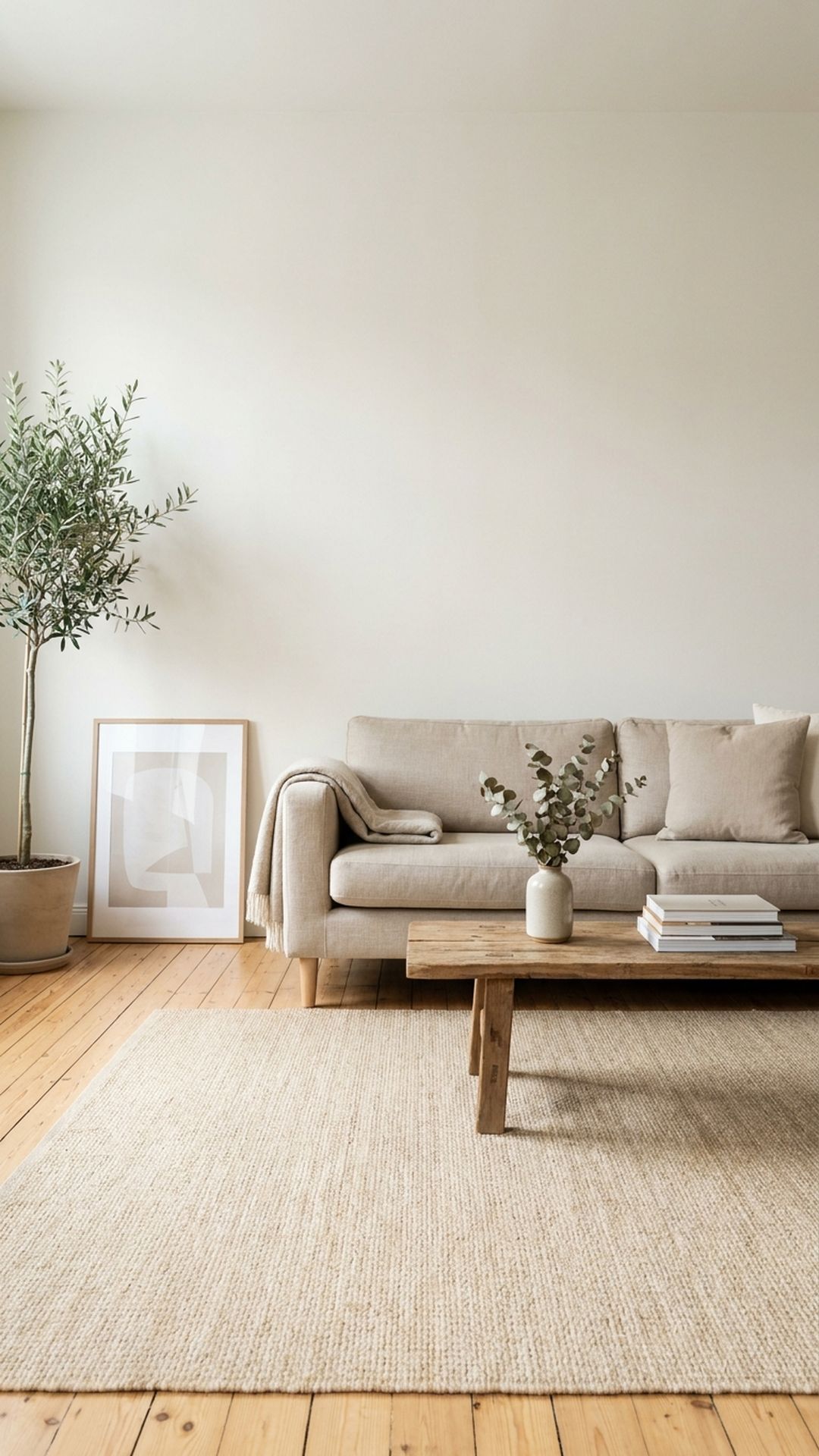
The six-step minimalist process runs in a fixed order: declutter by category, define a 60-30-10 palette, invest in fewer quality pieces, edit surfaces to three objects, layer texture over color…
Step 1: Declutter by Category, Not by Room
The single biggest mistake beginners make is decluttering room by room. You move things around, get tired by hour three, and end up with the same volume of stuff in slightly different locations.
Step 2: Define Your Minimalist Color Palette
Before you buy a single decor item, lock in your palette. This is where most beginner minimalist rooms fail — not from too many objects, but from too many competing tones.
Step 3: Choose Quality Foundation Pieces
Minimalism magnifies quality. When a room contains five objects instead of fifty, every flaw is visible — the wobbly leg, the cheap veneer peeling at the corner, the polyester throw that pills after one wash.
Step 4: Edit Surfaces to the “Rule of Three”
Every flat surface in your home — coffee table, console, nightstand, kitchen counter — should follow a simple…
Step 5: Layer Texture, Not Color
Once color is restrained, beginners often worry their space will feel cold or boring. The answer isn’t more color — it’s more texture.
$200
Step 6: Protect the Empty Space
The final step is the hardest: stop filling the gaps. Minimalism’s defining feature isn’t what you put in a room — it’s what you leave out. Negative space is what makes a $200 IKEA chair look intentional and a $4,000 designer chair look loved.
The full plan
How to Declutter & Decorate Minimalist Style
Every idea, with prices and where to buy it, is in the full guide.