DecorQuarter · budget decor
What Colors Go With Gray? 12 Palettes to Warm It Up (2026)
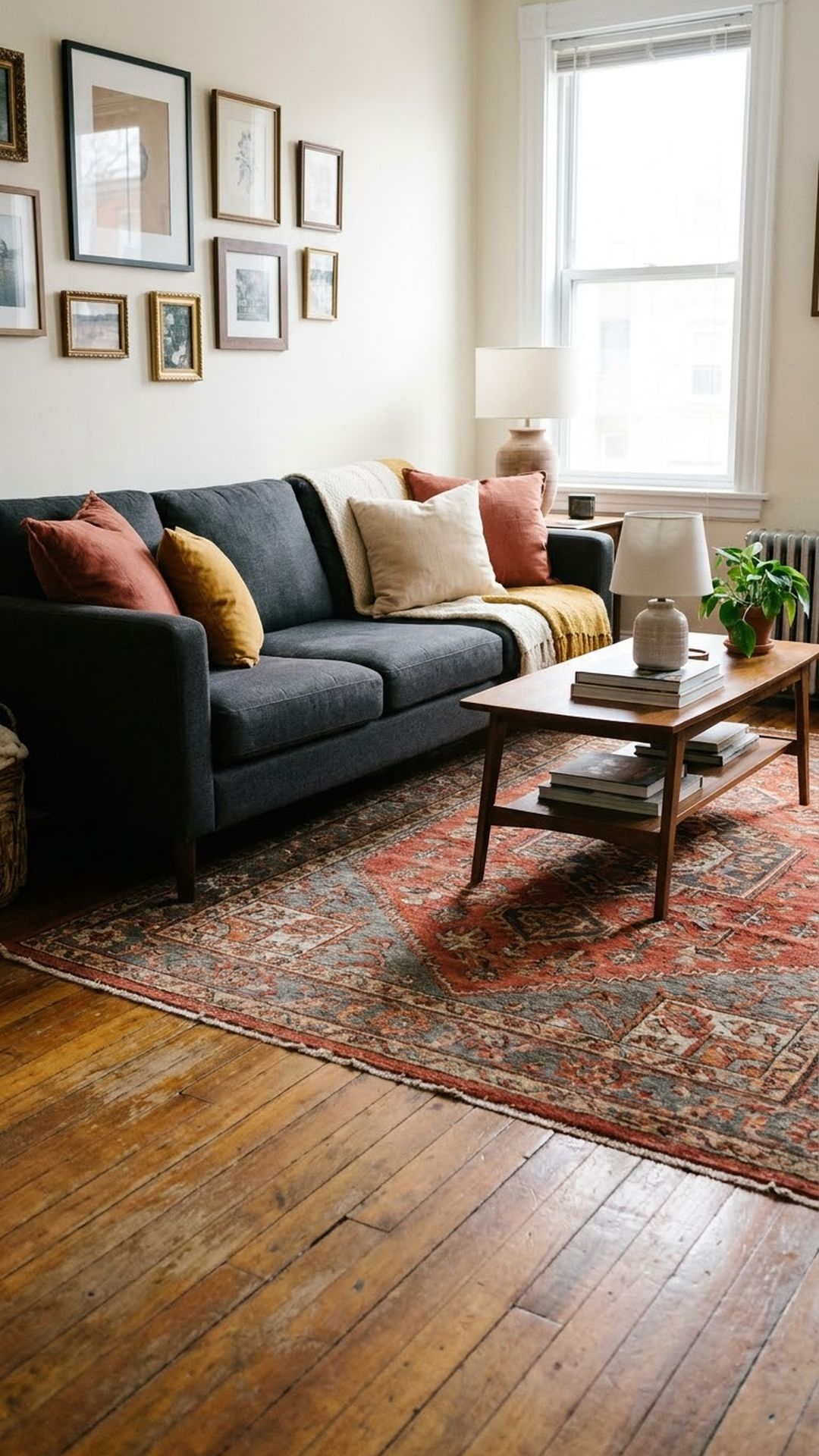
Gray pairs best with warm accents that counter its coolness: blush, mustard, terracotta, and warm wood, plus navy, sage, crisp white, black, and teal for structure.
What Colors Go With Gray?
Gray goes with blush, mustard, terracotta, navy, sage green, teal, warm white, natural wood, brass, and matte black. Because gray is a true neutral, it acts as a blank backdrop that takes on the temperature of whatever sits beside it ( The Spruce, 2025).
Is Gray Warm or Cool?
Gray can be either warm or cool, and the undertone decides everything. Warm grays (often called greige) carry beige, brown, or violet undertones, while cool grays lean blue, green, or true silver ( House Beautiful, 2025).
How Do You Warm Up a Cold, Flat Gray Room?
To warm up a gray room, layer in wood tones, warm textiles, and one earthy accent color like blush, mustard, or terracotta. The fastest fix is swapping cool metals and stark white for warm wood and cream, which instantly shifts the room's temperature ( The Spruce, 2025).
What Are the Best Gray Color Palettes? (HEX Codes)
The best gray palettes build on one gray base plus one warm accent, using tested HEX values so the colors actually harmonize. Copy any row into a mood board or a paint plan.
What Colors Go With Gray Walls?
For gray walls, choose warm-white or cream trim ( #F5F1E6) and layer in wood, blush, mustard, and cream textiles to keep the room warm and grounded. Gray walls read as a neutral backdrop, so almost any warm accent works.
Does Beige Go With Gray?
Yes, beige goes with gray, and warm beige or greige ( #B8B0A1) is one of the easiest partners for it. The old rule that beige and gray clash only applies when a cool blue-gray meets a warm yellow-beige, which can look muddy.
The full plan
What Colors Go With Gray? 12 Palettes to Warm It Up (2026)
Every idea, with prices and where to buy it, is in the full guide.