
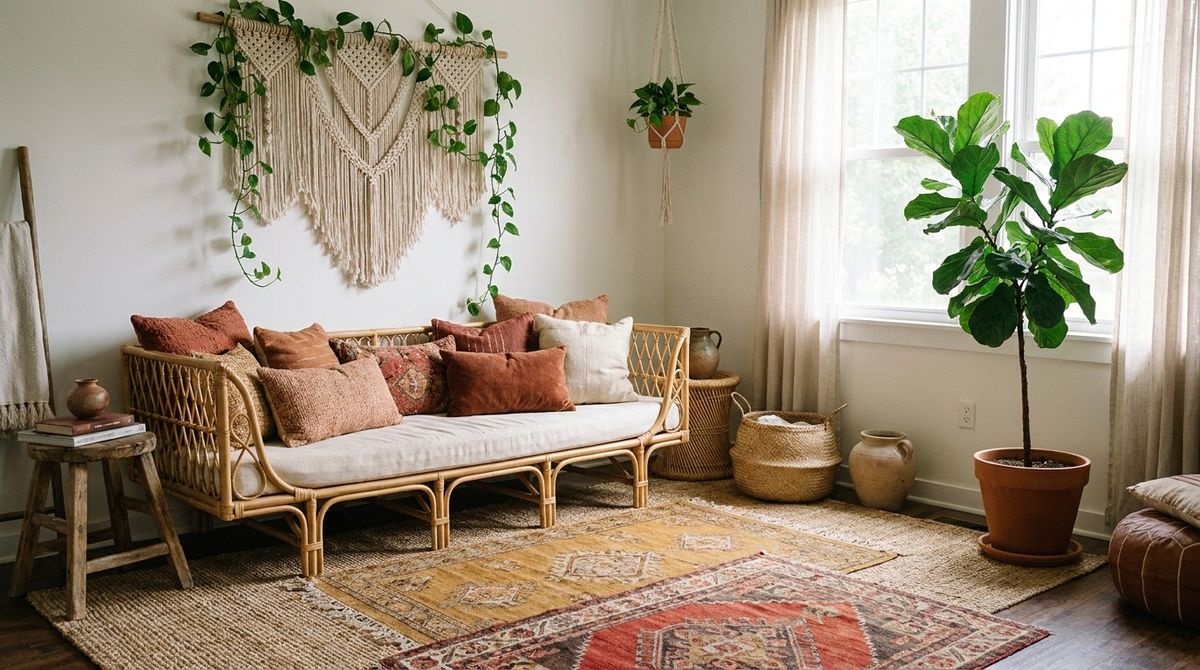
Dark academia style is one of the fastest-growing home aesthetics right now. The good news for renters and first-time homeowners: this is one of the rare aesthetics that actually looks better with thrifted and aged pieces than with brand-new furniture. You can build a convincing dark academia space for $150-200 if you shop smart. Here’s exactly how to do it.
Key Takeaways
- Dark academia is defined by intellectual atmosphere, not dark paint alone.
- A convincing starter room costs $150-200 when built primarily through thrifting.
- The aesthetic centers on warm dark neutrals, aged wood, velvet, and candlelight.
- Bookshelves and ambient lighting carry more visual weight than any single furniture piece.
- Google Trends shows 3x growth in dark academia decor searches since 2021 (Google Trends, 2024).
Step 1: Understand What Actually Defines Dark Academia Style
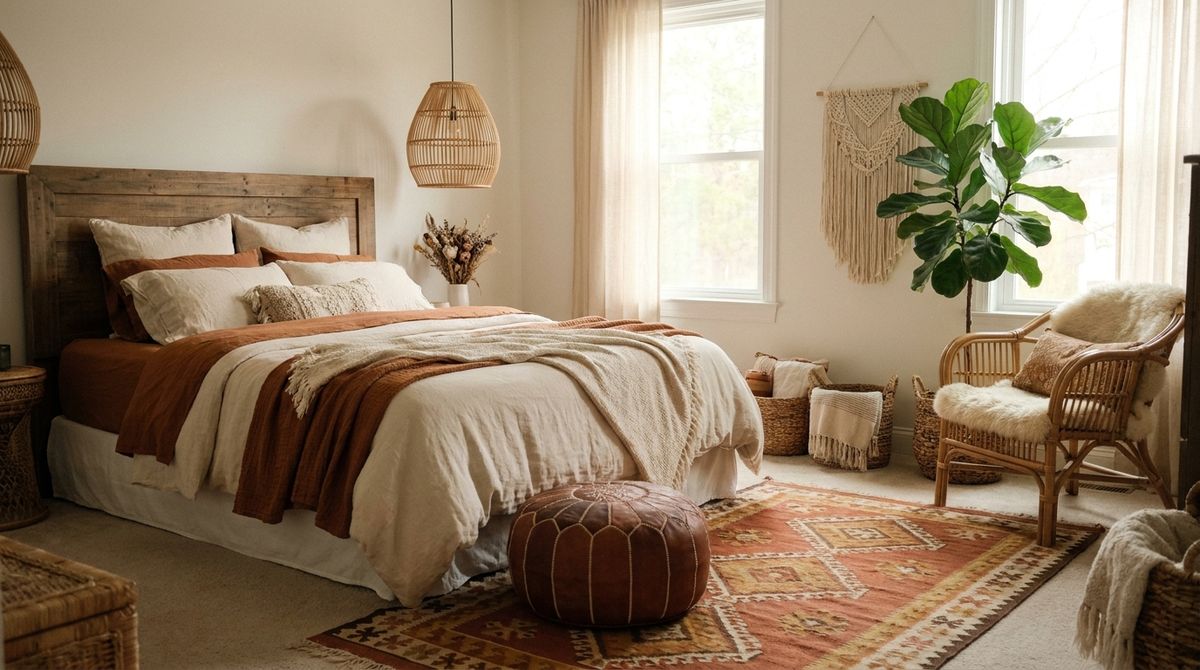
Dark academia is about intellectual atmosphere first. According to a 2023 aesthetic analysis by (Apartment Therapy, 2023), the look draws from 19th-century European universities, Gothic literature, and the visual language of libraries and studies. It’s not a “dark room with candles” aesthetic. It’s a studious, layered, slightly worn-in world.
The three defining signals are: aged materials (wood, leather, worn fabric), knowledge objects (books, maps, globes, inkwells), and warm amber light (candles and low brass lamps). You can have off-white walls and still nail this aesthetic completely. A room with dark paint, no books, and bright overhead lighting still reads wrong.
What matters most is texture and atmosphere, not color saturation. Keep this in mind before spending anything.
Citation Capsule: Dark academia decor draws its core language from 19th-century European scholarly environments. The look is defined by aged materials, warm amber light, and knowledge objects, not by paint color alone.
Step 2: Set Your Palette – Walls, Trim, and Textile Base
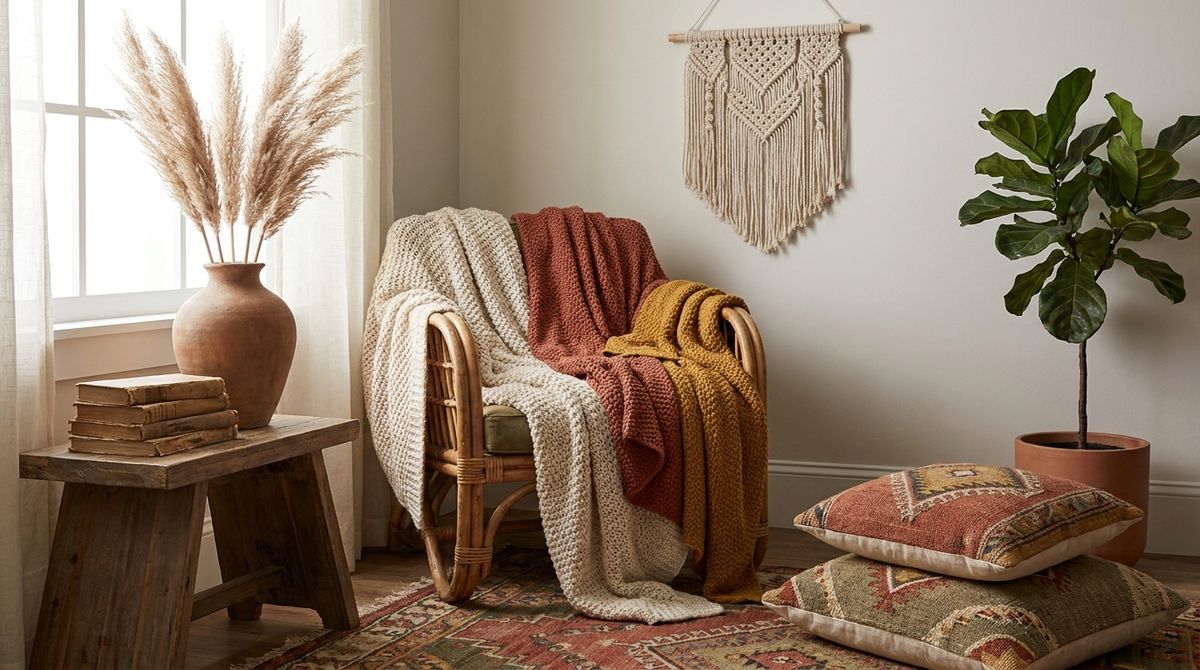
The dark academia color palette is warmer and more versatile than most beginners expect. A 2024 color guide by (Elle Decor, 2024) identifies the core palette as warm hunter green, deep burgundy, cognac brown, charcoal, and warm cream. You don’t need all of them in one room.
For renters who can’t paint: start with textiles as your palette carrier. A cream or warm white wall looks fully dark academia when you add a deep green velvet throw, cognac leather chair, and aged wood desk. The palette lives in your textiles and furniture, not necessarily on the walls.
If you can paint one wall (or an accent), Benjamin Moore “Newburyport Green” (HC-158) or Sherwin-Williams “Antique White” (SW 6119) are accessible entry points. Neither is dramatic, but both ground warm wood tones and velvet beautifully.
For renters specifically: Skip paint entirely for now. Budget that $30-50 toward velvet throw pillows and a warm-toned area rug instead. The returns are higher.
What most guides miss: You can get a moody, renter-safe wall without a drop of paint. Peel-and-stick removable wallpaper in a deep forest or oxblood damask runs $30-45 a roll and lifts off clean on move-out. So does a large tapestry or a $40 folding privacy screen behind a desk. Both add depth to one focal wall while keeping your deposit intact.
Free · 60 seconds
Not sure which style is actually yours?
Six questions and you get your palette, the ten pieces to buy first, and a realistic budget.
Step 3: Find Your Anchor Furniture Piece
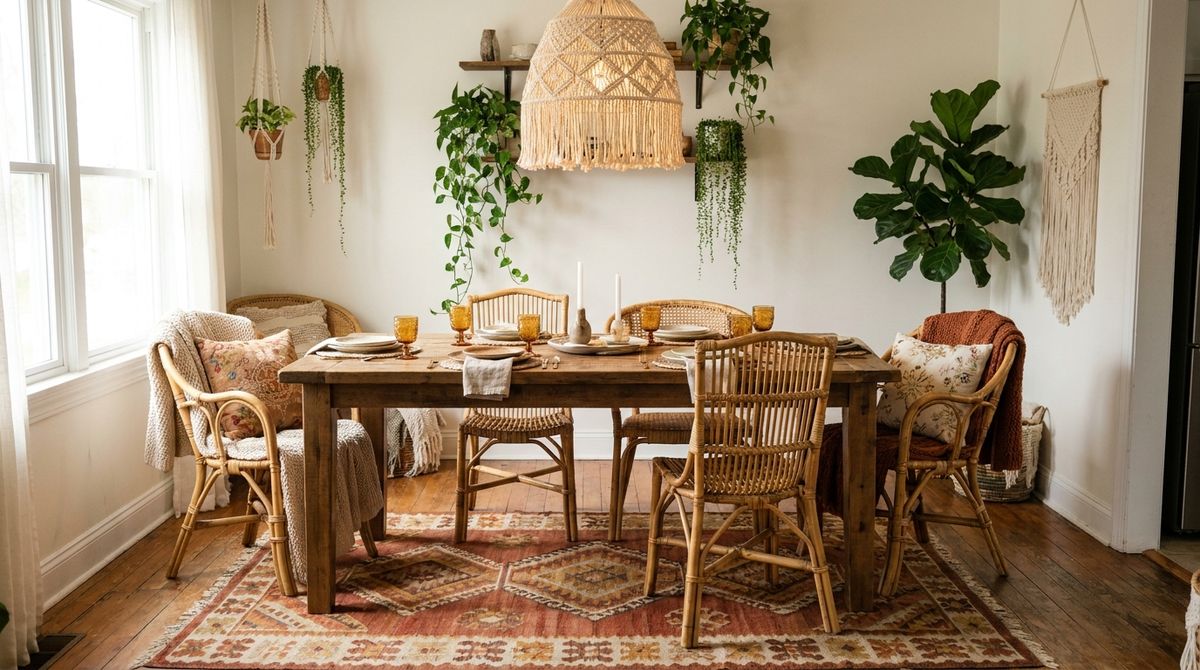
Every dark academia room needs one strong anchor: a piece that sets the room’s character. According to interior styling research from (House Beautiful, 2023), a single well-chosen anchor piece does more aesthetic work than a dozen small accessories. For dark academia, the best anchors are a dark wood writing desk, a leather armchair, or a velvet sofa in green or burgundy.
You don’t need all three. Pick one and build around it.
Dark wood writing desk: This is the highest-impact anchor for small spaces and studios. A vintage rollup or secretary desk from Facebook Marketplace typically runs $40-120. Check estate sales for solid wood pieces from the 1960s-1980s, which have the right mass and patina.
Leather armchair: A worn brown or cognac leather club chair reads immediately as dark academia. Real leather holds up; bonded leather cracks within two years. Budget $60-200 at thrift stores or estate sales. A cracked, slightly scuffed surface actually helps here.
Velvet sofa: Harder to find thrifted in good condition, but a small velvet loveseat in deep green or burgundy is transformative. New velvet loveseats from Amazon run $280-400. If budget is tight, skip this and start with the chair.
Step 4: Build Your Bookshelf Display
Bookshelves are the single most important surface in dark academia decor. A 2022 study on aesthetic visual cues from (Psychology Today, 2022) found that book-filled spaces register as more intelligent and thoughtful to observers within seconds of viewing. For dark academia, books function as both content and texture.
Books as texture: Older hardcovers with muted cloth or leather spines work best. Remove bright mass-market paperback covers or face them backward. You’re after a wall of warm neutrals: cream, brown, faded olive, deep red.
Curation over completeness: A shelf with 40 thoughtfully placed books, a small brass candlestick, and one framed botanical print reads better than a shelf packed with 200 random titles. Leave 20-30% of shelf space open for objects.
What to add between books: Brass bookends ($8-15 thrifted), small wooden objects, a globe or miniature sphere, a single white pillar candle. One object per shelf section, not five.
Where to find cheap hardcovers: Library book sales ($0.25-$1 per book), Goodwill, Facebook Marketplace “book lot” listings. Target old encyclopedias, classics series, and natural history volumes for the right spine aesthetics.
Why thrifted works better: Picture three dark academia bookshelf displays at different budget points ($30, $75, and $150 total). The $30 build (all thrifted hardcovers plus one brass candlestick) will usually look richer than the $150 build full of new decorative objects, because worn cloth spines and aged brass carry the patina this look depends on. Aged materials beat new ones at every price point in this aesthetic.
Step 5: Layer Your Textiles
Textile layering is where dark academia goes from “spooky library” to “actually livable and cozy.” The three core fabric categories are velvet, wool, and aged linen, and they work together because each has a different visual weight and surface.
Velvet carries the most visual depth. Use it for pillows and throws first. Deep green, burgundy, or cognac are the strongest options. A $18-25 velvet throw pillow from Amazon adds immediate dark academia signal to any surface.
Wool or wool-blend provides warmth and texture variation. A chunky wool throw draped over a desk chair or sofa arm adds the “settled in” quality that new smooth fabrics can’t replicate. Thrifted wool blankets in heather or plaid patterns are ideal here, and they run $5-15 at Goodwill.
Aged linen works as your base layer: curtains, tablecloths, a linen pillow cover in natural or warm grey. Linen reads as aged even when it’s new, which makes it forgiving to source cheaply. IKEA GURLI-style cotton in natural reads similarly to linen at half the cost.
Mixing the three: Don’t match. A velvet pillow next to a linen throw next to a wool blanket reads as curated. Three velvet pillows read as a theme-park version. Vary surface finish deliberately.
Step 6: Add Ambient Lighting
Overhead fluorescent or cool-white LED lighting will undermine every other element in your dark academia room. It’s the one thing that breaks the aesthetic completely, regardless of how good the rest of your choices are. A 2023 lighting study from (Lighting Research Center, 2023) found that warm-toned light (2700K-3000K) significantly increases perceived comfort and “settedness” in a space compared to cool white at identical lumen levels.
Replace overhead light use with layers. The order: candles first, then table lamps, then floor lamps, then overhead as a last resort.
Candles: Real candles or high-quality LED pillar candles are both acceptable. The light is the point, not the flame itself. Place them on bookshelves, desks, and side tables. Unscented white pillar candles from IKEA cost $4-6 and are correct for the aesthetic.
Brass table lamps: This is the highest-impact lighting purchase. A small brass desk lamp with a fabric shade in cream or black transforms a desk corner into a dark academia study scene. Thrift stores regularly stock brass lamps from the 1970s-1990s at $8-20. New options on Amazon with similar brass finish run $35-55.
Bulb temperature matters as much as the fixture. Replace any cool white or daylight bulbs with warm white (2700K) Edison-style or globe bulbs. A pack of 4 costs $8-12 on Amazon and changes a room immediately.
What most guides miss: Bulb color temperature does more work than fixture style, and the two most common mistakes cancel each other out. A 2700K warm bulb pushes the amber in aged wood, brass, and leather-bound spines forward; a 4000K “cool white” bulb flattens all of it grey. Swap every bulb in the room to 2700K before buying a single new object. It’s a $10 change that fixes more than $100 of decor.
Step 7: Thrift and Vintage Hunting Guide
This is where the aesthetic either stays expensive or gets smart. Dark academia is one of the few styles where thrifted items are not a compromise. They’re the correct choice. Here’s what to look for and where.
What most guides miss: The line between “dark academia” and “Halloween costume” is repetition and matching. Three identical skull candles, faux-leather everything, and a single boxed “dark academia decor” bundle read as staged. One thrifted brass candlestick with real patina, mismatched hardcover spines, and one genuinely old wood piece read as lived-in. Vary your sources and finishes on purpose, and buy no more than one obviously themed object per room.
What Reads “Dark Academia” Even When Cheap
Brass candlesticks: These are everywhere at thrift stores and garage sales. A single brass candlestick with visible patina (not polished) costs $2-8. Buy multiples in slightly different heights.
Old hardcover books: Already covered in Step 4, but worth repeating. Encyclopedias, natural history volumes, and classic literature series with cloth or leather spines are ideal. Budget $10-20 for a good haul.
Wooden frames with aged glass: Look for frames with thick dark wood molding. Oval frames and ornate carved frames are especially strong. Fill them with antique-style botanical prints (free on Wikimedia Commons, printed at Walgreens for $0.50-$1).
Globe decanters and glass objects: A round glass decanter, a small vintage globe, or any spherical glass object reads as scholarly. Thrift stores price these at $3-10. On Etsy, vintage globe decanters run $25-60.
Small wooden boxes and trays: Jewelry boxes, cigar boxes, and small wooden trays with brass hardware add surface detail without weight. Price: $2-8 thrifted.
What NOT to buy new: Brass candlesticks, picture frames, wooden trays, books, and candles are all significantly more expensive new and less convincing. New items in this aesthetic tend to read as “themed” rather than “lived-in.”
Where to Shop
| Source | Best for | Price range |
|---|---|---|
| Goodwill / Savers | Brass objects, frames, books, wool blankets | $2-20 |
| Estate sales | Leather furniture, wooden desks, lamp collections | $40-200 |
| Facebook Marketplace | Large furniture, full bookshelves, rugs | $25-150 |
| Etsy (vintage) | Globe decanters, specific objects, botanical prints | $15-65 |
| Library sales | Hardcover books in bulk | $0.25-2 per book |
Citation Capsule: A functional dark academia starter room – including anchor furniture, layered textiles, bookshelf curation, and ambient lighting – is achievable for $150-200 when sourcing primarily from thrift stores, estate sales, and Facebook Marketplace. New retail equivalents for the same items typically run $500-800. (Apartment Therapy, 2023) reports that secondhand sourcing is a defining behavior among dark academia decorators, not just a budget workaround.
Budget Breakdown: Starting for $150-200
Here’s a realistic allocation for building a solid starter dark academia space through thrifting.
| Item | Source | Budget |
|---|---|---|
| Anchor furniture (leather chair or desk) | Estate sale / FB Marketplace | $60-120 |
| Brass candlesticks (3-4 pieces) | Thrift store | $10-20 |
| Hardcover books (20-30 books) | Library sale / Goodwill | $10-20 |
| Velvet pillow covers (2) | Amazon / thrift | $18-30 |
| Wool throw blanket | Goodwill | $8-15 |
| Brass table lamp | Thrift store | $10-20 |
| Warm white bulbs (4-pack) | Amazon | $10-12 |
| Wooden frames (3-4) | Thrift store | $8-15 |
| Botanical prints (printed at Walgreens) | Wikimedia Commons | $2-5 |
| Total | $136-257 |
The lower end is achievable with patience. Estate sales on the final day of a sale often discount 50-75% off already low prices. That’s when to grab furniture.
Frequently Asked Questions
Can I do dark academia decor as a renter with white walls?
Yes, absolutely. White or off-white walls are actually easier to work with because warm wood tones, velvet, and brass all read with more contrast against a light background. The palette lives in your textiles and objects, not the walls. Per a 2024 rental decorating guide from (Apartment Therapy, 2024), renters who focus budget on textiles and lighting see stronger aesthetic results than those who invest in temporary wall paint.
What’s the single most important item to buy first?
Buy the lighting before anything else. A $20 thrifted brass lamp with a 2700K warm bulb changes every surface in a room immediately. It’s the lowest-cost, highest-impact single purchase in this aesthetic. Everything else looks better under warm amber light.
Do I need real books or can I use decorative ones?
Real books work better. Decorative “prop” books from craft stores look flat and read as costume props. Old hardcovers from library sales ($0.25-$1 each) have genuine spine variation, slight warping, and color inconsistency that makes them look curated rather than staged. They’re also cheaper than most decorative book sets.
How is dark academia different from Gothic decor?
Gothic decor emphasizes darkness, drama, and supernatural imagery. Dark academia is scholarly and warm – it references libraries, universities, and intellectual life. The visual tone is cozy and inhabited, not dramatic or cold. Candles over gargoyles. Books over skulls. Brass and wood over wrought iron. Both can coexist, but they’re distinct starting points with different atmospheres.
Can I mix dark academia with other aesthetics?
Yes, and it often improves both. Dark academia mixes well with cottagecore (natural materials, botanical prints), maximalism (layered objects), and transitional traditional style. It doesn’t mix well with minimalism, Scandinavian, or coastal aesthetics, since the visual languages directly conflict. If your space already leans one of those directions, identify the one dark academia element with the strongest overlap and start there.
Does dark academia work in a small studio apartment?
Yes. In a studio, concentrate the look into one anchor corner: a desk or chair, a small bookshelf, and a warm 2700K lamp. Dark academia reads through density, not square footage. A single well-lit study nook signals the style more clearly than scattering a few objects across the whole room, and it keeps a small space from feeling heavy.
Wrapping Up
Dark academia style is one of the most achievable aesthetics for renters and budget-conscious decorators because it rewards age, patina, and layering over newness. The seven steps here are designed to build on each other: atmosphere first, anchor furniture second, then books, textiles, and light. Skip around and you’ll end up with random dark objects that don’t cohere.
The thrift store is your best tool. A brass candlestick and a stack of old hardcovers from Goodwill do more aesthetic work than $200 worth of new “dark academia” decor from a boutique. That’s not just a budget tip. It’s actually how the aesthetic is supposed to work.
Start with Step 1 (understand what defines the look), buy your first brass lamp, and add one layer at a time.