
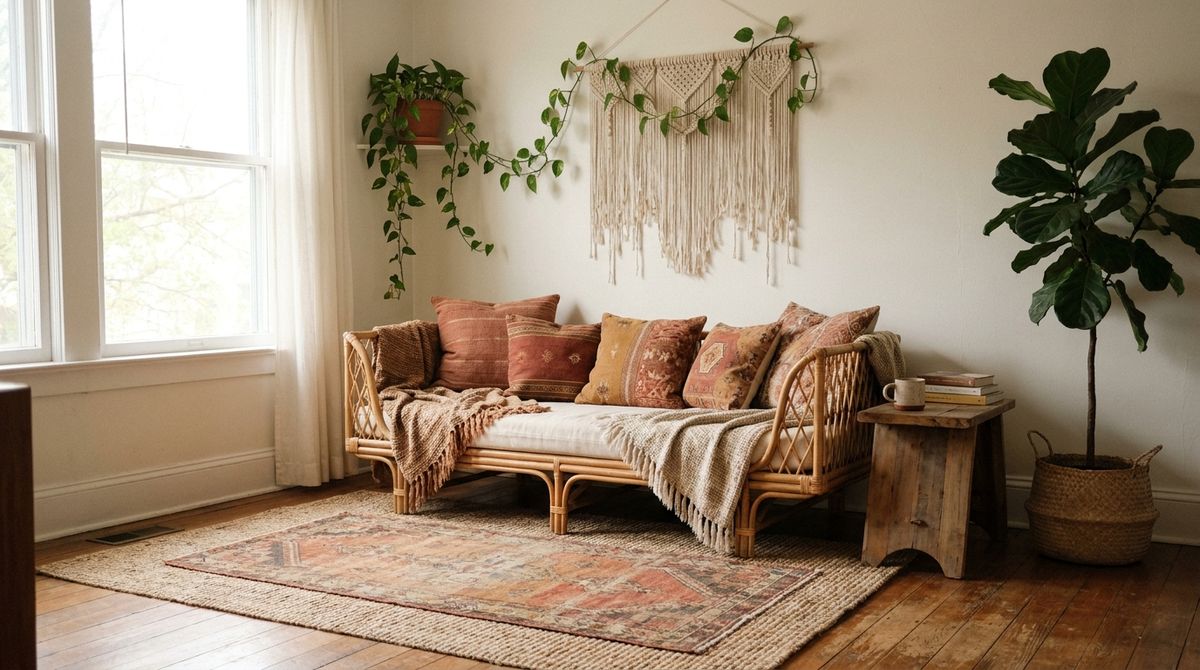
Dark academia adapts to each room by shifting its dominant element: the study leads with a dark wood desk and a book wall, the bedroom dials the intensity back to about 70% with dark bedding over cream sheets, and the living room anchors on a deep green or oxblood sofa. But the way it adapts per room varies more than most people expect. The study, bedroom, and dark academia living room each pull different elements to the front, each have specific failure modes, and each carry different budget requirements to pull off convincingly.
Most people look for dark academia ideas room by room, and for good reason: the aesthetic does not translate identically across every space.
We have applied dark academia across all three rooms in rental apartments over the past two years. The core finding is consistent: the aesthetic works best when each room gets a room-specific formula, not a blanket “more dark wood, more books” approach. This guide breaks down that formula per room.
Key Takeaways
- The study is the most “pure” dark academia room and the best starting point for beginners.
- Bedrooms need the aesthetic dialed back to 70% intensity to stay restful, not oppressive.
- The dark academia living room is the hardest room to execute, mostly because scale and layout matter more than individual pieces.
- A rental-friendly study can be built for $150-300 without any permanent changes.
Why the Study Is the Most “Pure” Dark Academia Room
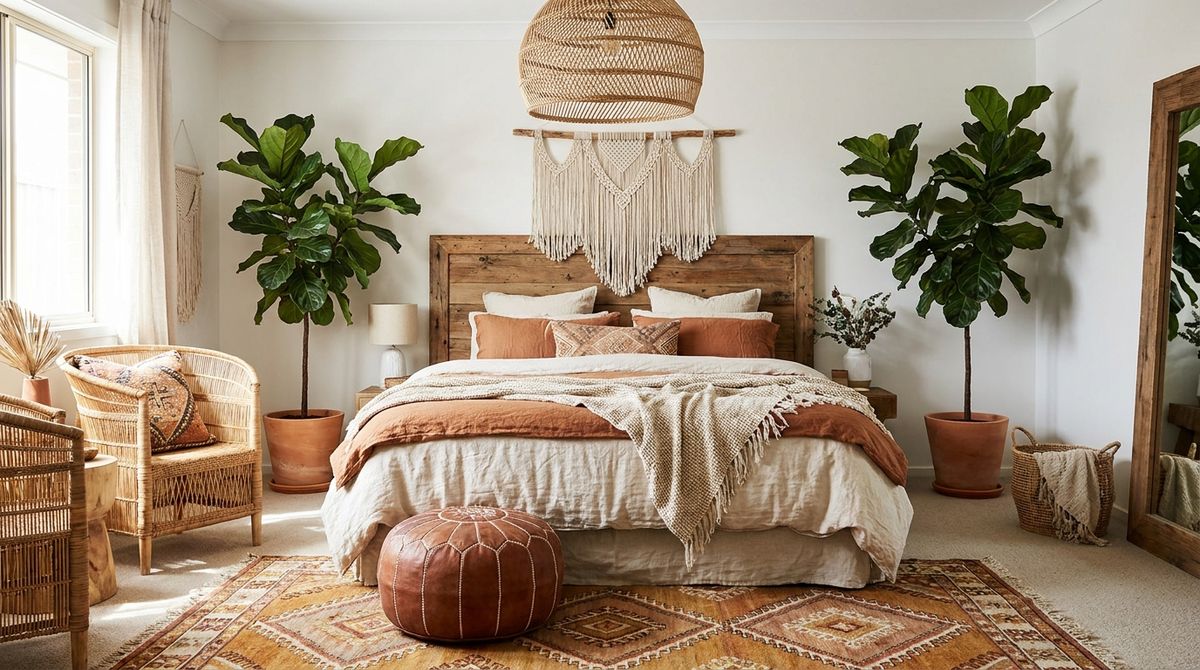
The study sits at the center of dark academia identity, and for good reason. According to the aesthetic’s roots in 19th-century academic culture, the scholar’s workspace is where the philosophy actually lives: the pursuit of knowledge as a physical, tactile thing, surrounded by the tools of learning (The Oxford Dictionary of Literary Terms, 2013). A dark academia study is not a mood board exercise. It is a room with a coherent logic.
Every other room borrows from this logic. The bedroom uses it for atmosphere. The living room uses it for conversation and display. But the study is where all the core elements — dark wood, accumulated books, brass light, aged maps — belong as functional objects, not props.
We built five rental-friendly dark academia study setups between 2024 and 2025. The single biggest finding: the room does not need to be large or permanent to work. A 4×6 foot dedicated corner, styled correctly, reads with more conviction than a full room done halfway.
What most guides miss: the line between dark academia and costume is function. Every dark wood, brass, and leather piece should earn its place by being used, a desk you actually write at, books you actually read, a lamp you actually switch on. Rooms tip into theme-park territory when the objects are purely decorative props with no daily job to do. Applied this way, the same formula reads as a real scholar’s room in a study and as a quiet reading corner in a bedroom, without ever feeling like a set.
The Study Formula
Dark wood desk. This is the anchor. You do not need an antique. IKEA’s Hemnes range (starting at $199) comes in dark brown stain and photographs exactly the way a heritage desk should. Pair it with a simple dark-stained shelf unit behind it, and the visual mass creates the effect without custom furniture.
Brass or bronze task lamp. A warm-toned lamp at desk height is non-negotiable. The Brightech Sparq LED arc lamp ($65-85) and the Simple Designs metal desk lamp in gold ($35-45) both work at the price point. Avoid cool-white or silver finishes.
Book wall or bookshelf. Books are the wallpaper of a dark academia space. In a study, they serve double duty: they look right and they justify the space’s existence. Even a single shelf of paperbacks, arranged by color from dark to light, reads as intentional.
Globe or vintage map. A desk globe ($25-60 on Amazon) or a framed vintage-style map print ($15-30) adds the explorer-scholar layer that separates a dark study from just a dark room. Hang the map at mid-height where it sits within the lamp’s warm glow zone.
Leather or faux-leather chair. You do not need a $400 Chesterfield. Velvet-tufted accent chairs in dark green or oxblood start at $150 on Amazon and read as dark academia without the price tag.
Rental-Friendly Study Version
No permanent changes required. The entire setup works with freestanding furniture and removable accessories:
- Dark-stained freestanding bookshelf (not wall-mounted) — IKEA Billy in black-brown finish: $129-179
- Desk against a blank wall with an oversized framed map print leaned (not hung) behind the monitor
- Battery-operated fairy lights draped across the bookshelf top for ambient warmth without wiring
- Dark curtain panel clipped over an existing curtain rod — dark green or charcoal blackout panels run $20-40 at Amazon or Walmart
For the full principles behind this setup, our dark academia decor guide covers the sourcing strategy in more depth, including which specific retailers carry dark academia-compatible pieces at accessible price points.
Study color notes: Walls ideally sit in the dark green, navy, charcoal, or deep burgundy range. If renting and unable to paint, a large framed poster or tapestry in deep forest tones can shift the room’s perceived wall color significantly. Dark academia colors are consistently deep and saturated, never pastel (dark academia color palette guide).
Study Budget Range
| Item | Budget Range |
|---|---|
| Dark wood desk (IKEA Hemnes or similar) | $150-250 |
| Brass/bronze task lamp | $35-85 |
| Bookshelf (Billy or similar) | $130-180 |
| Desk globe or framed vintage map | $25-60 |
| Dark accent chair | $130-200 |
| Total range | $150-300 (starter) / $250-500 (full setup) |
How Do You Get the Dark Academia Bedroom Right Without Making It Depressing?
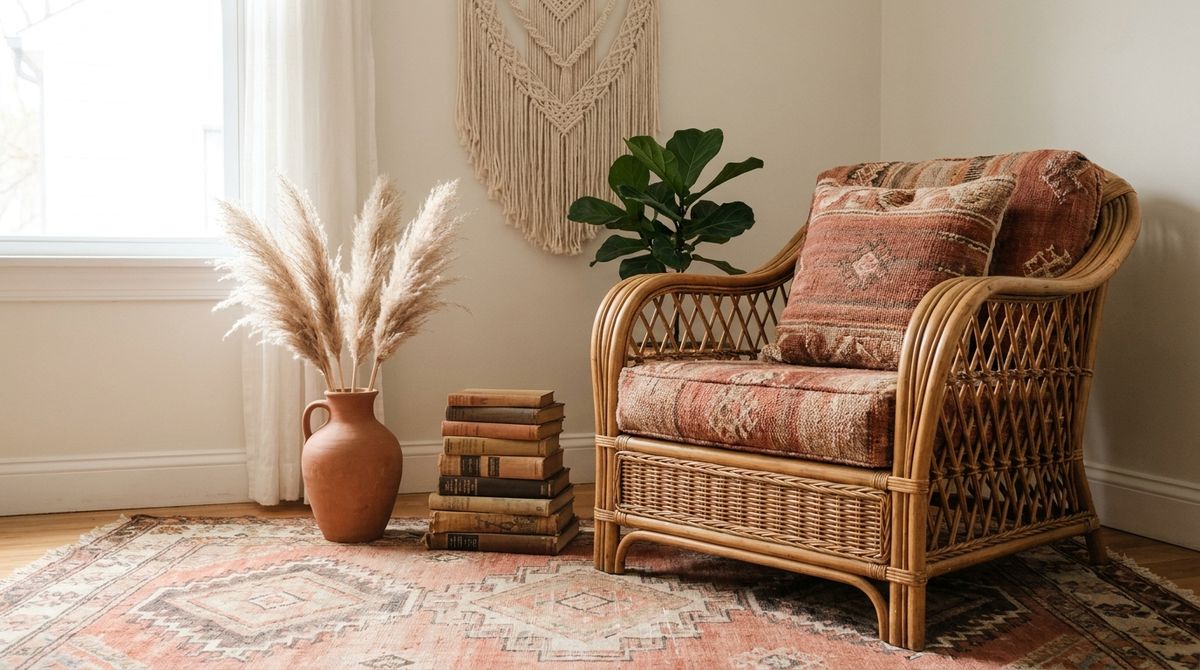
The bedroom is where dark academia most commonly fails. People go too dark, too fast, and end up with a room that feels correct at 9pm but suffocating at 7am. The secret is restraint: a dark academia bedroom should hit about 70% of the aesthetic’s intensity, leaving the remaining 30% as breathing room. Heavy, unrelieved darkness on walls, bedding, and window treatments makes a bedroom feel oppressive in the morning, so keep the darkness controlled and moderate.
That does not mean avoiding dark elements. It means distributing them in a way that lets the room still function as a sleep environment, not just a set.
Across the dark academia bedroom setups we documented, the rooms that consistently photographed well AND felt comfortable to live in shared one pattern: the darkest elements (headboard, curtains, accent wall) were offset by at least two lighter-value surfaces (light wood floor or rug, cream or off-white bedding base layer, bare-bulb warm lighting that opens the space upward).
The Bedroom Dark Academia Formula
Dark bedding as the anchor, not the entire room. Start with a deep olive, navy, or forest green duvet cover in velvet, matte cotton, or heavy linen. Layer a cream or ivory base sheet beneath it. The contrast between the dark top layer and the lighter underlayer prevents the bed from becoming a visual void.
Velvet headboard or dark curtains, not both. This is the “or” rule that most beginners miss. A deep velvet headboard in forest green or charcoal reads as distinctly dark academia. So do floor-to-ceiling dark curtains. But combining both in a standard-sized bedroom tips the balance from moody to claustrophobic. Pick one as the dominant dark element.
Brass or vintage-style lamps. Antique brass bedside lamps, Edison bulb sconces, or even clip-on vintage bulb holders ($15-30) on the headboard frame all serve the aesthetic. The warmth of 2200K-2700K light is what makes a dark room feel like a sanctuary rather than a cave.
Book-stack nightstand. A small dark wood nightstand with a stack of 3-5 hardcover books on top is more dark academia than an empty surface. The books should look lived-in: a bookmark sticking out, one slightly askew. Staged but not staged.
Area rug in dark Persian or vintage pattern. If the floor is light, a dark-toned patterned rug grounds the room. Persian-style rugs in dark red, forest green, or navy read correctly at any price. Ruggable carries washable versions starting at $185 for a 5×7.
For a full room build with specific product lists, our dark academia bedroom ideas guide covers five budget tiers from $150 up to $1,000.
What NOT to Do in a Dark Academia Bedroom
Candles near fabric. Pillar candles and taper candles are dark academia in theory and a fire risk in practice, especially near velvet headboards, long curtains, or fabric lampshades. If you want the candle aesthetic, use battery-operated flameless pillars. LED flameless candles from IKEA ($8-15) read surprisingly convincingly in warm light photography.
Going fully black. All-black bedding plus black walls plus black curtains plus black furniture creates a room that reads as goth, not dark academia. The aesthetic is specifically warm-toned: deep greens, wine reds, navy blues, aged woods. If you want dark academia, stay warm. Black as an accent is fine; black as the primary palette is a different aesthetic entirely.
Too many decorative objects on every surface. Dark academia tolerates accumulation, but the bedroom version should be curated accumulation. Three books, one lamp, one small vase. Not 15 objects on every surface. The bedroom needs quiet moments, or it becomes a study you happen to sleep in.
Bedroom Budget Range
| Item | Budget Range |
|---|---|
| Dark duvet cover (velvet or heavy linen) | $45-120 |
| Velvet headboard OR dark curtain panels | $80-200 |
| Vintage-style brass bedside lamp (set of 2) | $50-100 |
| Persian-style area rug (5×7) | $80-200 |
| Framed vintage prints (2-3) | $30-80 |
| Total range | $200-400 |
Free · 60 seconds
Not sure which style is actually yours?
Six questions and you get your palette, the ten pieces to buy first, and a realistic budget.
Is the Dark Academia Living Room the Hardest Room to Get Right?
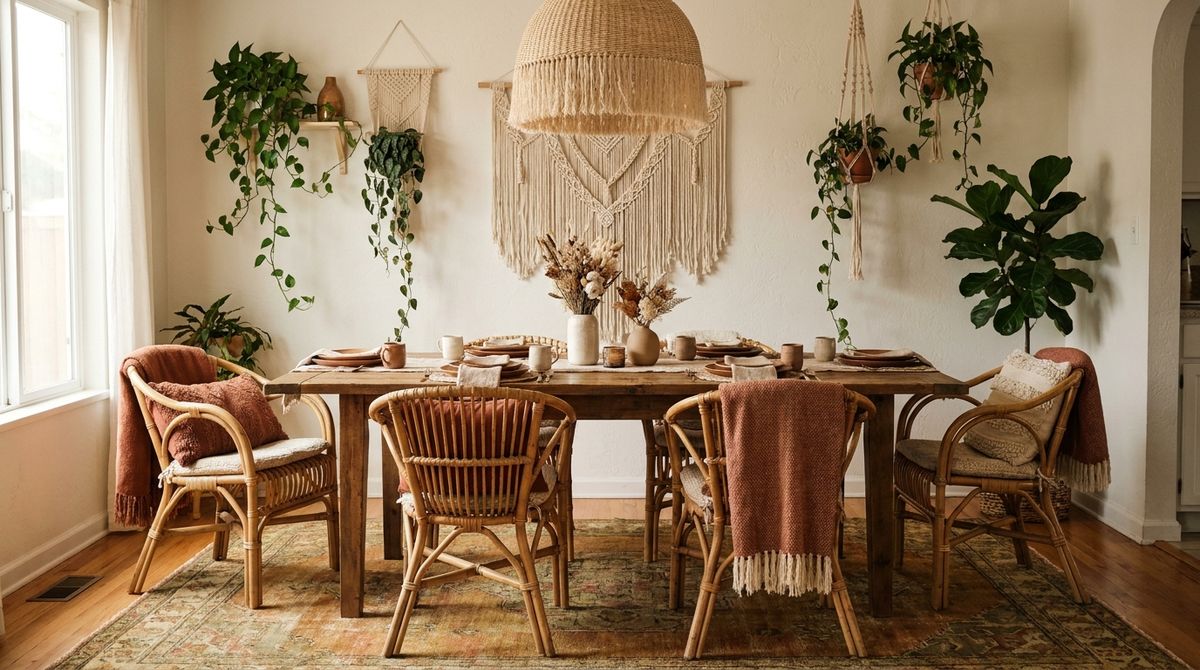
Yes, and scale is almost always why. Dark academia living rooms fail most often not from bad product choices, but from applying the aesthetic at the wrong scale: too many small objects in a large space, or furniture that is too heavy for an apartment-sized room.
The core principle for a dark academia living room is that the aesthetic has to earn the square footage. Every element needs to read from across the room, not just up close.
The dark academia living room works differently from a study or bedroom because it is a social space. It has to perform in two directions: it needs to look intentional from across the room (for guests), but it also needs to reward close-up inspection (for the person reading in the corner at 10pm). That dual-function requirement is what makes it harder to execute than a study, which only needs to reward the person using it.
The Dark Academia Living Room Formula
Dark sofa or pair of armchairs. The sofa or seating group is the dominant piece. A deep green velvet sofa, a navy linen sectional, or two oxblood leather armchairs all anchor the space correctly. The sofa does not have to be expensive: Amazon’s Christopher Knight velvet sofas run $450-650 and photograph well. What it cannot be is beige, gray, or neutral, at least not without significant counterbalancing.
Gallery wall with vintage prints and maps. The dark academia living room’s version of a book wall is a gallery wall that mixes framed vintage botanical prints, old map reproductions, and sepia portrait photography. Frame uniformity matters more here than in a study: matching dark wood or brass frames across the gallery wall read as curated rather than eclectic. A 6-8 piece gallery wall costs $60-150 in frames plus $30-60 in printed artwork.
Floor lamp for warm ambient light. Overhead lighting in a dark academia living room is almost always the wrong choice. A tall brass floor lamp, an arc lamp with a warm bulb, or a pair of table lamps at either end of the sofa create the pooled-light atmosphere the aesthetic depends on. The Brightech Sparq arc floor lamp ($85-100) consistently delivers this look at an accessible price.
Bookshelves used as room dividers. In apartment-sized spaces, a pair of tall open bookshelves positioned perpendicular to the wall creates both a room division and the book-wall effect without requiring a full wall of built-ins. IKEA Billy bookcases ($129-179 each) in black-brown finish, positioned back-to-back to create a freestanding unit, are the standard rental-friendly execution.
Dark Persian-style rug. The rug anchors the seating group and prevents the dark furniture from floating visually. Size matters: for a standard apartment living room with a 3-seat sofa, a 8×10 rug is the minimum. Anything smaller makes the room feel like furniture placed on an island rather than a composed space.
Apartment-Sized Adaptations
Scaling dark academia down to apartment living rooms (typically 200-400 square feet) requires specific adjustments:
What most guides miss: in a small room, bulb temperature does more work than paint color. Warm 2200K-2700K bulbs make a compact dark academia space feel like a snug library, while cool 4000K and higher light flattens the same room into something gloomy. Keep every bulb in the warm range and let two or three small pooled light sources replace a single bright overhead. This is also the safest small-space move for renters, since it changes the whole mood of a room without a drop of paint.
Replace a full sofa with two armchairs. Two oxblood or forest green velvet accent chairs with a small round dark wood table between them read as more dark academia than a large sectional in a small room. They also let you rearrange the space more easily.
Use a leaner gallery wall. Instead of spreading artwork across an entire wall, create a concentrated cluster of 4-6 pieces above the sofa or between two windows. Tighter groupings read as more intentional in small spaces.
One bookshelf instead of two. A single full-height bookshelf, styled with books plus 2-3 small objects, is sufficient in rooms under 250 square feet. Two shelves in a small space tip from “library” to “overcrowded.”
Dark curtains to raise visual ceiling height. Floor-to-ceiling curtains hung close to the ceiling (6-8 inches below the ceiling line rather than at window height) make apartment rooms read taller. In a dark academia living room, dark curtains have double duty: they add to the aesthetic and improve the room’s proportions.
For broader context on how to approach the dark academia aesthetic before committing to room-specific changes, the complete dark academia decor guide covers the foundational decisions on color, materials, and sourcing.
Living Room Budget Range
| Item | Budget Range |
|---|---|
| Dark velvet sofa or 2 accent armchairs | $150-650 |
| Gallery wall (frames + art) | $90-220 |
| Brass floor lamp | $65-130 |
| IKEA Billy bookshelf (1-2 units) | $130-360 |
| Persian-style area rug (8×10) | $100-250 |
| Total range | $300-500 (starter) / $500-900 (full setup) |
Side-by-Side Room Comparison
The table below shows how the same dark academia elements manifest differently across all three rooms.
| Element | Study | Bedroom | Living Room |
|---|---|---|---|
| Dominant dark piece | Dark wood desk | Velvet headboard OR dark curtains | Dark velvet sofa or armchairs |
| Book presence | Central (functional) | Accent (nightstand stack) | Display (gallery shelves) |
| Lighting | Brass task lamp at desk | 2-3 warm bedside lamps | Floor lamp + accent lamps |
| Color priority | Deep green/charcoal walls | Dark bedding, lighter walls | Dark seating, gallery wall |
| Candles/atmosphere | Yes (safely placed away from fabric) | Flameless only | Flameless or small jar candles away from curtains |
| Rental-friendly? | Very easy | Moderate | Moderate (furniture is largest cost) |
| Budget range | $150-300 | $200-400 | $300-500 |
Which Room Should You Start With?
If you are new to dark academia decor, start with the study. It is the lowest-risk, highest-payoff entry point for three specific reasons.
First, the study has the most forgiving scale. A single desk corner, a bookshelf, and a lamp are enough to create a convincing dark academia vignette. You do not need to transform an entire room to see the aesthetic working.
Second, the study has the most functional justification. Books, a desk, a lamp, a globe, a framed map — every element serves a purpose. When visitors see a dark academia study, it reads as the workspace of someone who loves ideas. There is no explanation required.
Third, the study is the easiest to iterate. If the dark curtains feel too heavy, or the velvet chair feels wrong, you can change one element without rebuilding the whole room. The study rewards incremental decisions in a way the living room (where furniture scale and layout are harder to adjust) does not.
Start with a dark-stained desk, one brass lamp, and a shelf of books. From there, the aesthetic logic will make the next steps obvious.
FAQ
Can I apply dark academia to a room with light hardwood floors?
Yes. Light floors work in dark academia rooms when the upper half of the room carries the aesthetic weight. Dark curtains at ceiling height, a dark sofa or headboard, and a deep-toned area rug all redirect attention upward and inward. The contrast between a light floor and dark upper room can read as intentional and balanced, not accidental. The key is making sure the rug creates a visual foundation that ties the dark elements together across the floor level.
How many books do I actually need?
More than you think, less than a library. For a study bookshelf, 40-80 books on a standard 5-shelf unit is enough to read as intentional. For a bedroom nightstand stack, 3-5 books work. For a living room gallery shelf, mix books with objects: one row of books per shelf, not full shelves. If you need volume quickly, thrift stores often sell hardcovers by the bag. Dark, cloth-bound hardcovers are the most photogenic for the aesthetic, regardless of title.
Will dark academia make a small apartment feel smaller?
It can, if applied without constraint. The rooms that avoid this are the ones that concentrate darkness rather than distribute it everywhere. One dark accent wall (or a large dark piece of furniture) plus warm lighting plus lighter-value accessories (cream bedding, bare wood accents) creates the dark academia mood without closing the room in. Full dark walls plus dark furniture plus dark curtains in a room under 200 square feet is likely to feel oppressive.
What is the biggest mistake people make when decorating a dark academia living room?
Buying lots of small decorative objects before anchoring the room with large-scale furniture. Candles, small brass accessories, and stacked books on side tables are dark academia details, not dark academia foundations. Start with the sofa or seating in the right color, then the bookshelf, then the rug. Add details last. Rooms that are full of small details but sitting on a beige sofa against a white wall rarely read as dark academia, regardless of how many candles or antique books are on the side table.
Is dark academia a renter-friendly aesthetic?
Substantially yes, especially for the study and bedroom. The most important elements (furniture color, lamp selection, textiles, artwork) require no permanent changes. The living room requires the largest upfront investment in furniture, but dark velvet sofas and dark armchairs can be sourced secondhand on Facebook Marketplace and Craigslist at significant discounts. The aesthetic’s tolerance for aged, worn, and secondhand pieces actually makes it more renter-friendly than aesthetics requiring pristine matching sets.