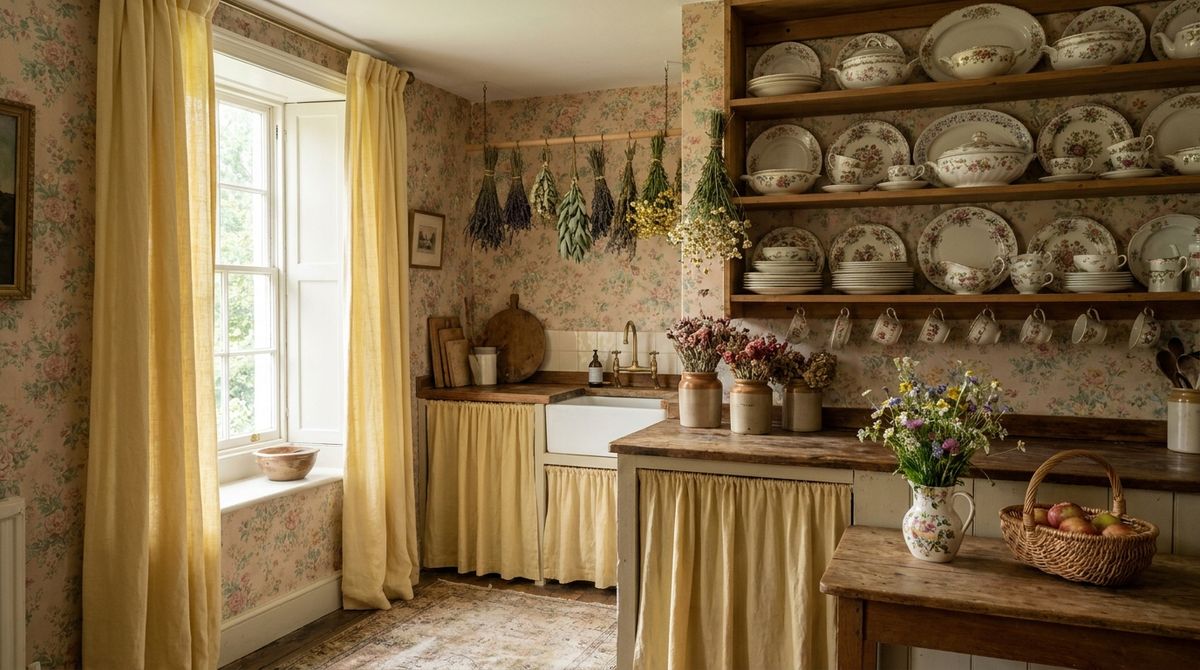
Cottagecore, boho, and farmhouse are three of the most-saved aesthetics on Pinterest — and also three of the most routinely mistaken for one another. All three use natural materials, warm neutrals, and vintage-inspired pieces. In person, though, they feel completely different. One whispers English garden fairy tale. One says global nomad. One says modern barn.
This guide breaks down the exact differences between the three aesthetics, gives you a five-question self-test, and shows which style wins for specific home situations.
Key Takeaways
- Cottagecore, boho, and farmhouse share natural textures but diverge sharply on color, pattern, and mood.
- Boho costs the most to execute well: a styled 12×15 living room runs $150-$400 vs. farmhouse’s $200-$500 (which often works with existing neutral furniture).
- Cottagecore is the most renter-friendly of the three because it relies on accessories and textiles, not structural changes.
- Cottagecore and farmhouse blend well together; boho and farmhouse are the hardest combination to pull off.
The 30-Second Version: How Do These Three Styles Compare?
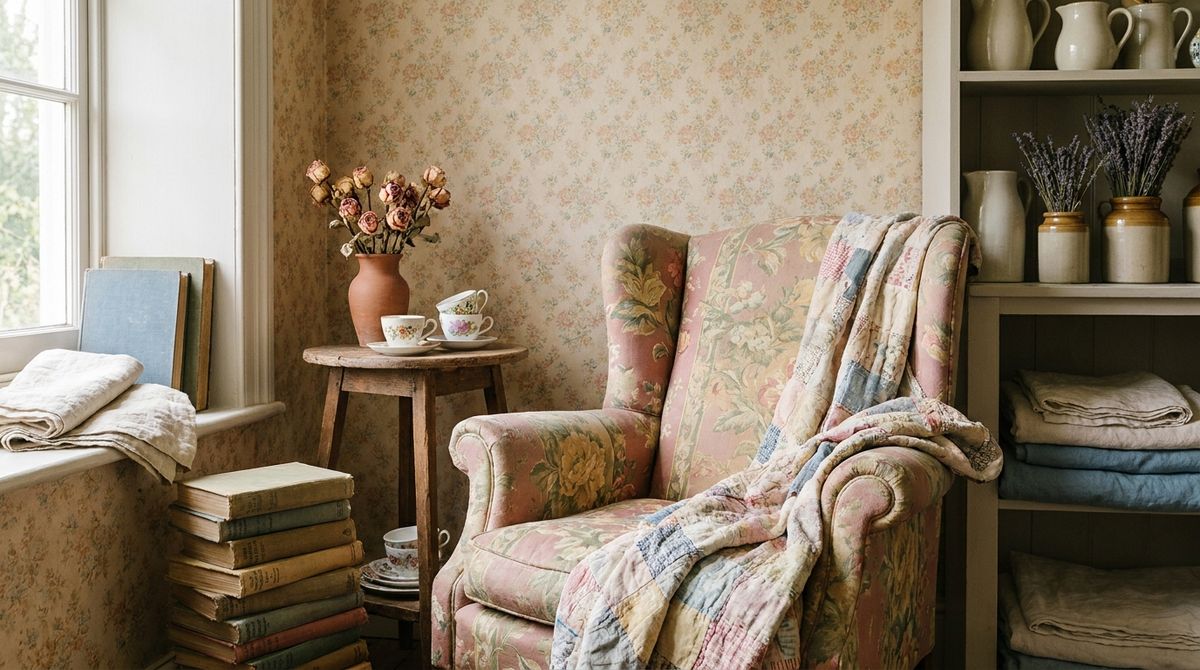
All three aesthetics are rooted in natural materials and a rejection of sleek, corporate minimalism. The table below gives you the core distinctions at a glance.
| Element | Cottagecore | Boho | Farmhouse |
|---|---|---|---|
| Core vibe | English garden fairy tale | Global nomad layered | Modern barn cozy |
| Florals | Painterly botanicals | Geometric/global prints | Minimal or buffalo check |
| Neutrals | Dusty sage, rose, cream | Rust, ochre, terracotta | Crisp white, black, grey |
| Textiles | Linen, cotton embroidery | Macrame, kilim, velvet | Cotton canvas, denim |
| Vintage | Inherited English cottage pieces | Global travel finds | American farmhouse antiques |
| Chrome/metal | Never | Sometimes gold or brass | Black iron hardware |
| Plants | Trailing vines, dried botanicals | Dramatic fiddle leaf, cactus | Simple potted herbs |
| Price to nail it | $100-$300 | $150-$400 | $200-$500 |
What most guides miss: The fastest way to tell these three apart in a photo is the metal finish, not the color. Cottagecore avoids exposed metal almost entirely, boho leans warm brass and antique gold, and farmhouse commits to matte black iron. When palette and pattern feel ambiguous, the hardware settles it in seconds.
What Is Cottagecore Decor?
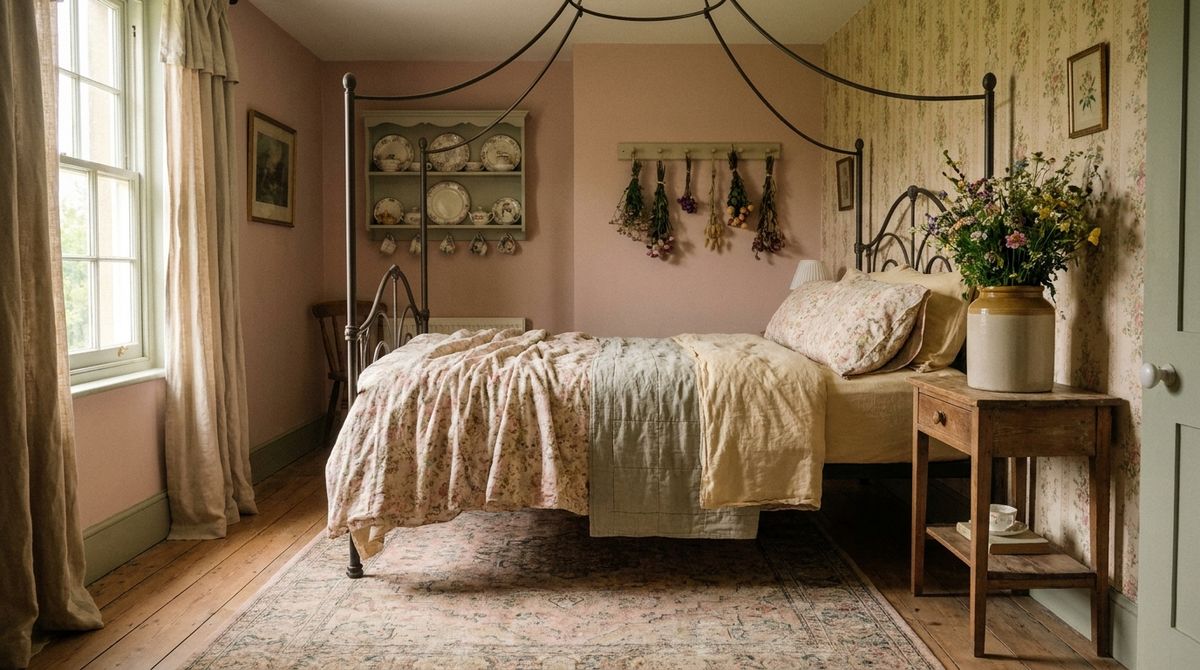
Cottagecore is the most accessible of the three aesthetics for renters and small-space dwellers. According to Etsy’s 2024 Trend Report, cottagecore remained a top-10 trending search category globally, driven by handmade ceramics, dried florals, and embroidered textiles. The aesthetic draws from 1920s English countryside life: wildflower fields, pressed botanical prints, mismatched china, and rooms that look inherited rather than purchased.
The easiest mistake in this style is over-purchasing new items. Cottagecore resists newness. A chipped ceramic jug is more cottagecore than a perfect one from Target. Thrift stores and Etsy deliver results that a big-box shopping trip simply can’t.
The Core Elements of Cottagecore
Color palette: Dusty sage, muted rose, cream, lavender, and terracotta. Colors should look sun-faded, never saturated. Pattern plays a central role: florals, ditsy prints, and botanical motifs on every textile layer.
Key materials: Linen, cotton with embroidery, rattan, beeswax candles, pressed flowers, dried botanicals, and vintage ceramics. Sourcing secondhand is part of the style’s ethos, not just a budget tactic.
Furniture profile: Curved, low-armed sofas. Velvet or floral upholstery. A vintage armchair with a crocheted throw signals cottagecore faster than any single new purchase.
One piece that instantly signals the style: A ceramic pitcher filled with dried lavender on a windowsill. Under $30 from any secondhand shop or Etsy seller, and it sets the entire mood.
Who it suits: Renters (no permanent changes needed), people who love floral prints, and anyone who wants a “lived-in grandmother’s cottage” feeling without the clutter of maximalism.
Free · 60 seconds
Not sure which style is actually yours?
Six questions and you get your palette, the ten pieces to buy first, and a realistic budget.
What Is Boho Decor?
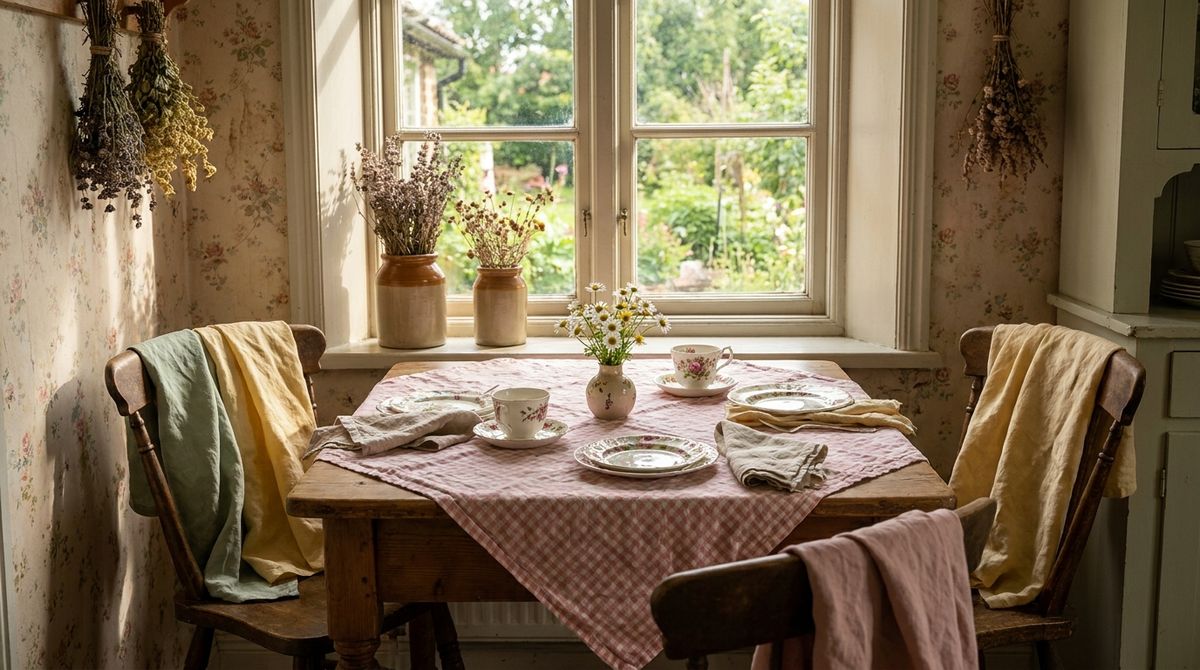
Boho is the most layered and pattern-heavy of the three styles. The visual language is Moroccan souk meets desert Southwest: rattan chairs, kilim rugs stacked over jute, terracotta pots, and brass accents gathered as though collected across years of travel.
The rooms that look expensive are almost never fully purchased new. The authentic boho look requires mix-and-match sourcing across vintage markets, Amazon, and specialty rug importers. Rooms styled entirely from a single retailer tend to look flat and costume-like rather than genuinely lived-in.
What most guides miss: Rattan and terracotta show up in all three aesthetics, so they can’t tell them apart. The real separator is the pattern motif: painterly florals read cottagecore, geometric and global prints read boho, and near-zero pattern reads farmhouse. Judge the print before the material.
The Core Elements of Boho
Color palette: Rust, ochre, warm terracotta, deep burgundy, olive, and gold. Boho is the only one of these three styles that actively embraces bold color. White walls work, but they function as a background for the color to pop against, not as the feature.
Key materials: Macrame (wall hangings and plant hangers), kilim and Moroccan rugs, rattan and cane furniture, velvet cushions, hammered brass accents, and terracotta ceramics. The combination of textures is the signature move.
Furniture profile: Low-slung, casual, mixed-origin. A rattan peacock chair next to a Moroccan pouf next to a raw-edge wood coffee table is peak boho. Matching sets read as the opposite of the style.
One piece that instantly signals the style: A layered rug setup with a kilim rug over a jute or sisal base. The combination costs $80-$200 and anchors the room to the aesthetic immediately.
Who it suits: People comfortable with bold pattern mixing, global print enthusiasts, and anyone who wants their room to feel collected rather than decorated.
What Is Modern Farmhouse Decor?
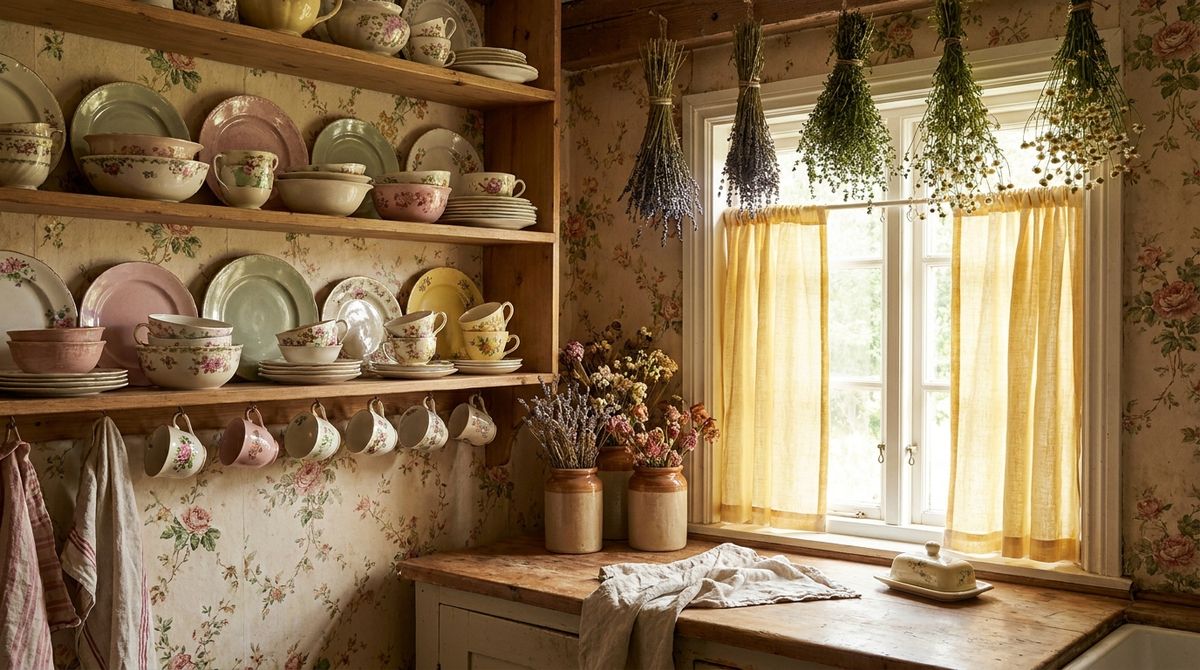
Modern farmhouse is the most structured and renter-practical of the three styles. It strips away traditional country clutter and keeps only the warmth: shiplap, black iron, and clean-lined linen furniture.
The Core Elements of Modern Farmhouse
Color palette: Crisp white, off-white, warm gray, and black. The underlying rule is 60% light neutral, 30% wood tone, 10% black. No pastels, no heavy pattern as the primary layer. It’s the most disciplined palette of the three.
Key materials: Shiplap or beadboard (peel-and-stick versions work in rentals at $80-$180 for a 10×8 section), reclaimed wood, galvanized metal, linen, cotton canvas, and black iron hardware. The texture contrast between rough wood and smooth linen does most of the decorative work.
Furniture profile: Clean-lined, straight silhouettes. Slipcover-friendly sofas. Mixed wood and black metal is the signature combination. Pottery Barn’s Pearce sofa or its Target Threshold equivalents are the prototypical farmhouse seating choice.
One piece that instantly signals the style: A galvanized metal bucket used as a plant holder, or an Edison bulb pendant light over a dining table. Both read farmhouse immediately and cost under $40.
Who it suits: People who like clean lines with warmth, suburban and rural homeowners, and families with kids who need durable, forgiving materials.
The Self-Test: Which Style Actually Fits Your Home?
The five questions below focus on how you already use your room, which is a more practical guide to style fit than picking from photos alone.
Work through these honestly. They’re designed to reveal your actual lifestyle, not your aspirational Pinterest board.
Question 1: What’s your pattern preference?
- A) Florals and botanical prints (cottagecore)
- B) Geometric, global, and layered prints (boho)
- C) Minimal pattern or none (farmhouse)
Question 2: Do you rent or own?
- A) Renting, no structural changes allowed (cottagecore wins here)
- B) Renting, open to removable wallpaper and peel-and-stick panels (farmhouse works too)
- C) Owning, open to permanent changes like shiplap or new hardware (farmhouse fully opens up)
Question 3: How do you feel about layering many textures at once?
- A) The more the better: rugs on rugs, throws on throws (boho)
- B) I like layers but prefer them restrained and coordinated (cottagecore)
- C) I prefer one or two textures done well, not ten (farmhouse)
Question 4: What’s your metal preference?
- A) Aged brass or antique gold (boho or cottagecore)
- B) Black iron or matte black (farmhouse)
- C) No exposed metal if possible (cottagecore leans this way)
Question 5: What are your plant habits?
- A) I want a dramatic statement plant: fiddle leaf fig, trailing pothos, tall cactus (boho)
- B) Trailing vines on shelves, dried botanicals in vases (cottagecore)
- C) A simple herb pot on the windowsill is plenty (farmhouse)
Scoring:
- Mostly A answers: cottagecore is your primary style
- Mostly B answers: boho fits your instincts
- Mostly C answers: farmhouse matches how you actually live
- A and C mix: cottagecore base with farmhouse structure (works well)
- A and B mix: boho base with cottagecore botanical accents
Can You Mix These Three Styles?
Two-style blending works reliably when one aesthetic provides 60-70% of the design decisions and the other contributes at accent level. Mixing all three at once produces something that reads as none of them.
Cottagecore and farmhouse: This is the most natural combination of the three. Both styles are rural-rooted, both favor linen and natural textures, and both are comfortable with imperfection. Use farmhouse as the structure (shiplap or clean-lined furniture, neutral palette) and bring cottagecore in through dried botanicals, embroidered textiles, and vintage ceramics. The merge point is the linen throw: it reads as both simultaneously.
Cottagecore and boho: This works partially. The shared thread is rattan, terracotta, and a love of found objects. Where it breaks down is pattern: cottagecore uses florals, boho uses global geometric prints, and mixing both on the same textile layer creates visual competition. Keep furniture neutral and cottagecore-leaning; let boho contribute the rug and one statement plant only.
Boho and farmhouse: This is the hardest combination. They sit on opposite ends of the pattern and metal spectrum. Boho calls for global prints and warm brass; farmhouse insists on restraint and black iron. The only context where this blend works is an open-plan space where each aesthetic occupies a distinct zone, such as a boho living area leading into a farmhouse kitchen.
Frequently Asked Questions
Q: What is the biggest difference between cottagecore and boho?
A: Cottagecore draws from English cottage and European folk tradition: florals, dried botanicals, linen, and a faded, sun-bleached palette. Boho draws from global travel: Moroccan rugs, Southwestern prints, rattan, and a bolder terracotta-and-rust color range. Both styles use vintage, but cottagecore prefers inherited-looking pieces while boho prefers travel-collected ones. Pinterest’s 2025 Predicts Report shows the two styles peak in search at different times: cottagecore in spring, boho in late summer.
Q: What’s the difference between cottagecore and farmhouse?
A: Both are rural-rooted and linen-heavy, but the palette splits them. Cottagecore uses faded sage, rose, and cream with painterly florals, while farmhouse keeps a disciplined crisp-white, gray, and black scheme with almost no pattern. Cottagecore feels soft and collected; farmhouse feels clean and structured. The metal finish confirms it: cottagecore stays bare, farmhouse commits to black iron.
Q: Is farmhouse decor going out of style?
A: The mason-jar-and-rooster version from the early 2010s has dated. The current modern farmhouse interpretation, with its clean-lined furniture, shiplap accents, and black iron hardware, continues to rank as the most-searched interior style for US homeowners under 40 according to Houzz’s 2024 Trends Report. The style’s staying power comes from its neutral base, which allows seasonal refreshes without a full overhaul.
Q: Which style is cheapest to start with if I have nothing?
A: Cottagecore, by a clear margin, if you’re willing to source secondhand. A credible cottagecore starting kit, ceramic pitcher, dried botanical bundle, two embroidered linen pillow covers, and a thrifted rattan side table, runs $60-$120 from thrift stores and Etsy. Boho requires a larger upfront investment because layered rugs and macrame are the centerpiece pieces. Farmhouse’s cost depends on whether your existing furniture is already in neutral tones; if it is, a $180-$280 refresh at Target covers the essentials.
Q: Which of these three styles works best in a small apartment?
A: Cottagecore. It leans on textiles, ceramics, and dried botanicals rather than furniture bulk or structural work, so it fits small footprints. Boho’s layered rugs and statement plants can crowd a compact room, and farmhouse’s larger furniture profile needs more floor space to read correctly. Cottagecore also survives frequent moves without damage deposits.
Q: Can renters pull off the farmhouse look without shiplap?
A: Yes. Peel-and-stick shiplap panels are renter-safe and removable, running $80-$180 for a standard accent wall. Beyond that, the farmhouse look is mostly carried by textiles and hardware. Swapping cabinet handles to black iron (reversible, under $30), adding a linen slipcover to an existing sofa, and placing a simple galvanized plant holder creates the farmhouse signature without touching the lease. Apartment Therapy’s 2024 renter survey found that peel-and-stick treatments were the single most popular DIY upgrade among renting respondents.
The Bottom Line
The clearest separation between these three: cottagecore is for collectors of softness, boho is for pattern layerers, and farmhouse is for people who want warmth without visual noise.
If you’re starting from a blank room, farmhouse is the lowest-risk entry point because its neutral foundation doesn’t fight with existing furniture. If you genuinely enjoy sourcing from vintage markets and want your room to feel like it evolved rather than was styled all at once, cottagecore or boho both reward that habit. If you want dramatic visual richness and aren’t afraid of mixing prints, boho delivers what the other two can’t.
For blending: cottagecore and farmhouse is the most forgiving pair. Start there before attempting anything more layered.
Ready to go deeper? Our cottagecore decor guide covers the full palette and sourcing strategy, and our boho style decor guide walks through the layering approach room by room.