
You can plan 22 cottagecore makeovers that each cost about $19 to $100, and none needs paint or new furniture. These are recipes, not photos of real homes: each one names a typical starting point, the swaps and an itemized cost from retailer prices. Pick the surface that bothers you most and copy its plan.
Key Takeaways
- Every plan lists a starting point, the swaps and a total, so you can add it up before you buy.
- Textiles and plants change a room faster than furniture: the sofa plan is about $65 and the bathroom counter plan about $34.
- The largest plan is the entry mirror at about $80 to $100; most land between $19 and $60.
- Renter-safe plans use leaning, adhesive hooks or plug-in lamps, and screw-mounted ones are flagged.
- Keep one pattern scale per room so the look stays cozy, not busy.
Living Room Makeovers
A living room is full of large surfaces that stay the same, so the cheapest changes are soft: cushions, throws, a rug and a few things on the walls. Each plan keeps your furniture.
1. The Bare Sofa
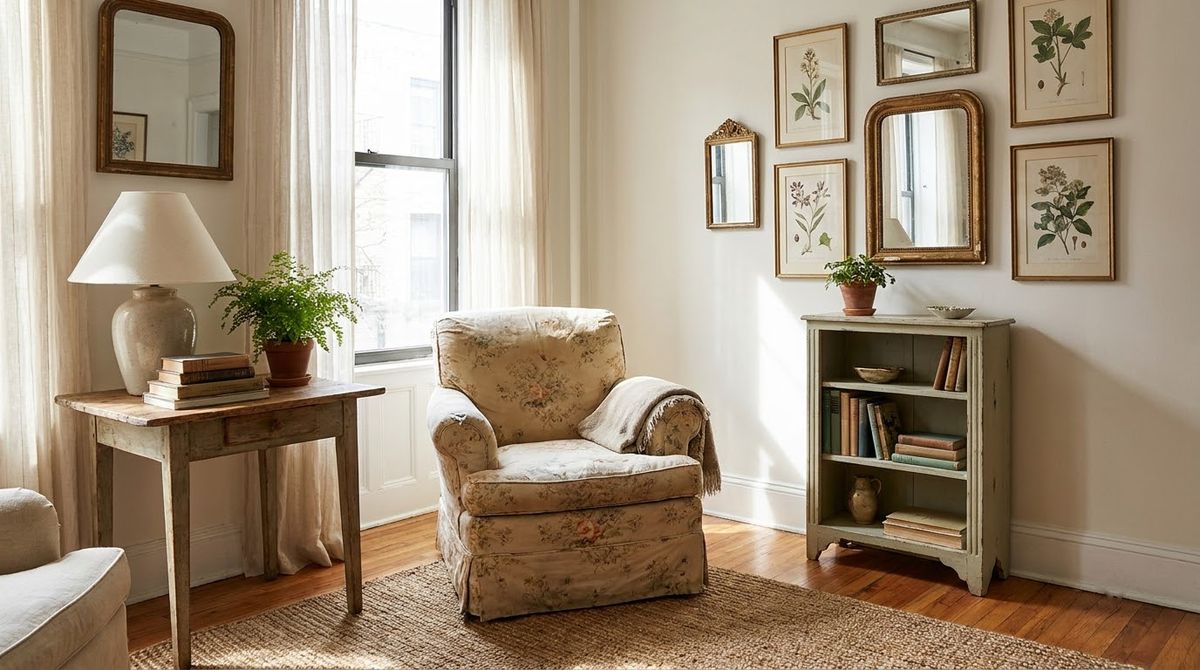
Starting point: a plain beige or charcoal sofa with no cushions, used as a landing spot for bags. Swaps: two linen cushion covers over inserts you own and one cream knit throw over one arm. IKEA’s DYTÅG cover is 100% linen, 20 x 20 inches. Cost: 2 covers at $19.99 each plus a $25 Target Threshold knit throw is $64.98. Keep the covers in one tone so the throw can carry the texture.
2. The Empty Coffee Table
Starting point: a table with remotes and mail on it. Swaps: a round rattan tray to corral things, a cream stoneware pitcher with two dried stems and a stack of two books. The tray gives the items an edge, so the table reads as arranged. Cost: a Walmart rattan tray at $7.99 plus a Target Threshold cream stoneware pitcher at $16 is $23.99. See our coffee table decor formula for spacing.
3. The Bare Floor
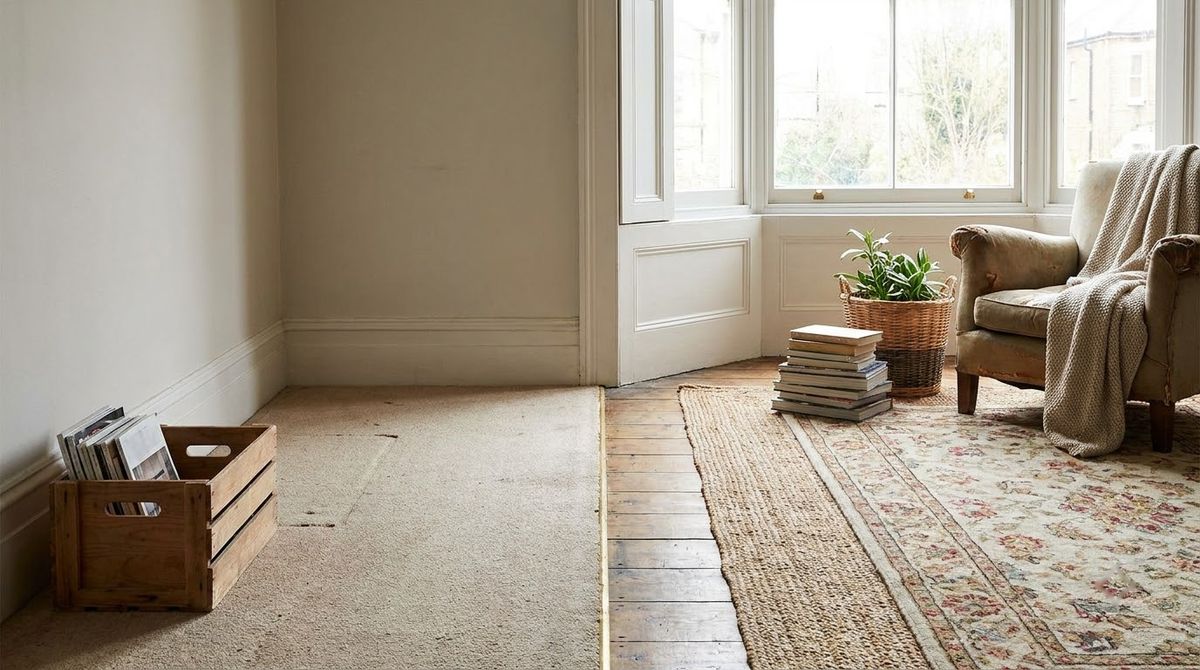
Starting point: hard flooring or thin beige carpet. Swaps: a natural jute-look rug that sits under the front legs of the sofa. A rug anchors the seating group, and the woven texture brings in the natural material that cottagecore uses. Cost: Walmart listed a Nourison washable jute rug (5 ft 3 in x 7 ft 3 in) at $51.70. Check sizes with our rug size calculator.
4. The TV Wall
Starting point: a TV on a wall with nothing around it. Swaps: a picture ledge on each side with a leaning botanical print and a pothos on the console below. Framing the TV makes it one part of the wall. Cost: two IKEA MOSSLANDA ledges at $9.99 each plus a $18.69 Home Depot pothos is $38.67, with printed art extra. Ledges mount with screws, so renters should ask first.
5. The Plain Bookcase
Starting point: a basic three-shelf bookcase in white or black wood. Swaps: line the back panel with floral peel-and-stick paper, then arrange books, a pitcher and a plant at different heights. The patterned back adds a botanical layer without a wall treatment. Cost: a Mainstays three-shelf bookcase at $29.88 plus one 17.3 x 118 inch roll of floral peel-and-stick at $10.99 is $40.87 at Walmart. See our bookshelf styling guide.
6. The Blank Wall Over the Sofa
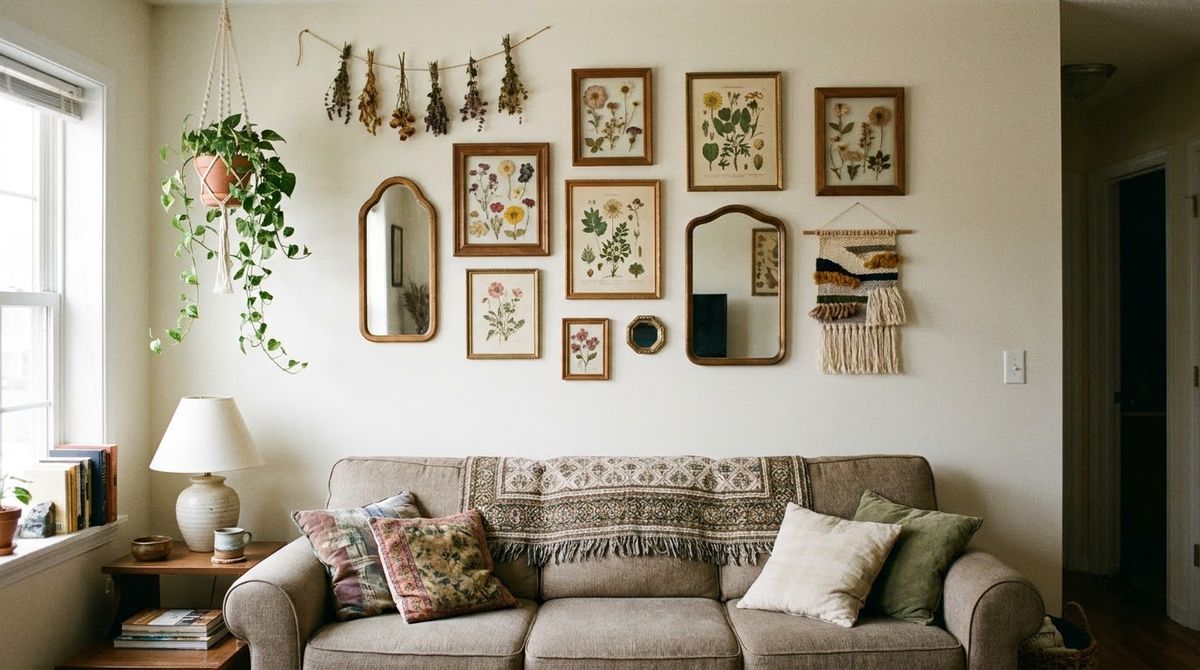
Starting point: a big empty wall above the couch. Swaps: a botanical fabric wall hanging hung with adhesive hooks, centered over the sofa with its bottom edge 6 to 8 inches above the back. A single large soft piece fills the wall without a gallery of frames. Cost: a Walmart 60 x 50 inch floral wall hanging at $12.99 plus $9.28 for a 14-pack of Command-style hooks is $22.27.
7. The Harsh Overhead Light
Starting point: one bright ceiling light and no lamps. Swaps: a table lamp with a pleated fabric shade on a side table, lit at night instead of the ceiling light. A lamp near seat height makes the room feel warm. Cost: Target listed a Hearth & Hand cream ceramic lamp with a pleated shade at $71.99 on sale from $97.99. A smaller option is IKEA’s HALGATT at $49.99.
Dining and Kitchen Makeovers
Kitchens and dining tables accept styling right away because the surfaces are flat and used daily. These plans change objects, not cabinets or appliances.
8. The Bare Dining Table
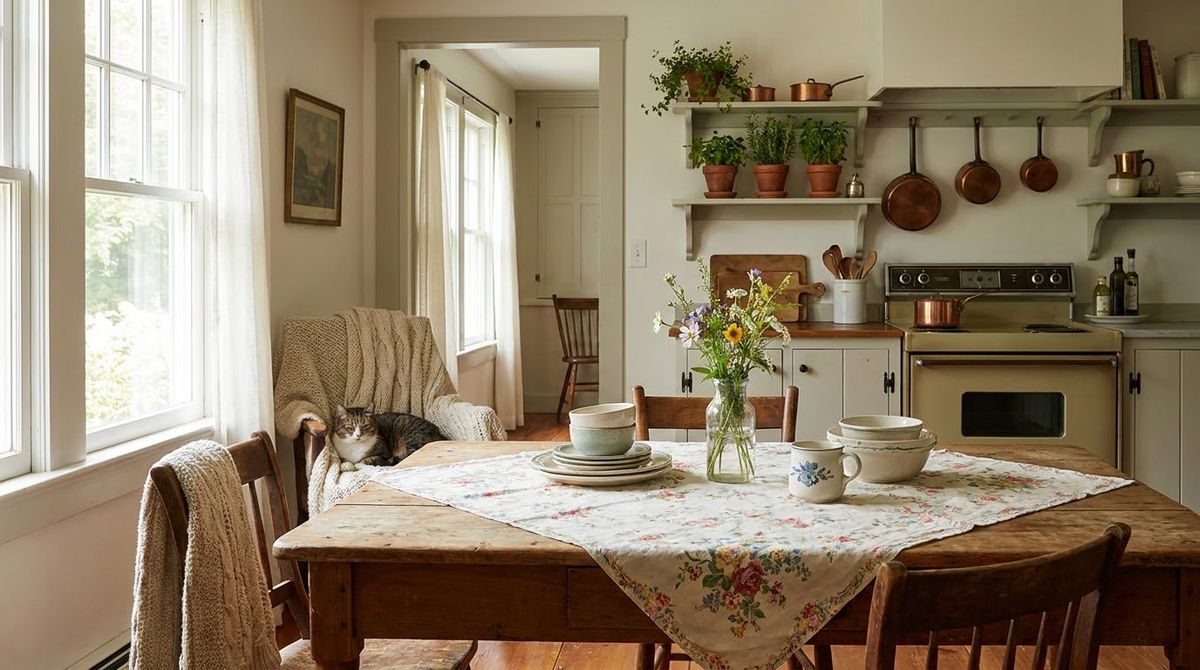
Starting point: a table with plastic placemats and nothing else. Swaps: a natural off-white linen-look tablecloth and a cream stoneware pitcher with dried stems as the centerpiece. A long tablecloth with a deep drop reads as softer than bare wood. Cost: a 60 x 84 inch tablecloth at $23.99 (Walmart) plus a $16 Target pitcher is $39.99. If you add candles, the U.S. CPSC safety tips say to keep them away from decorations and curtains. See more in our dining room decor guide.
9. The Breakfast Nook With a Bare Bulb
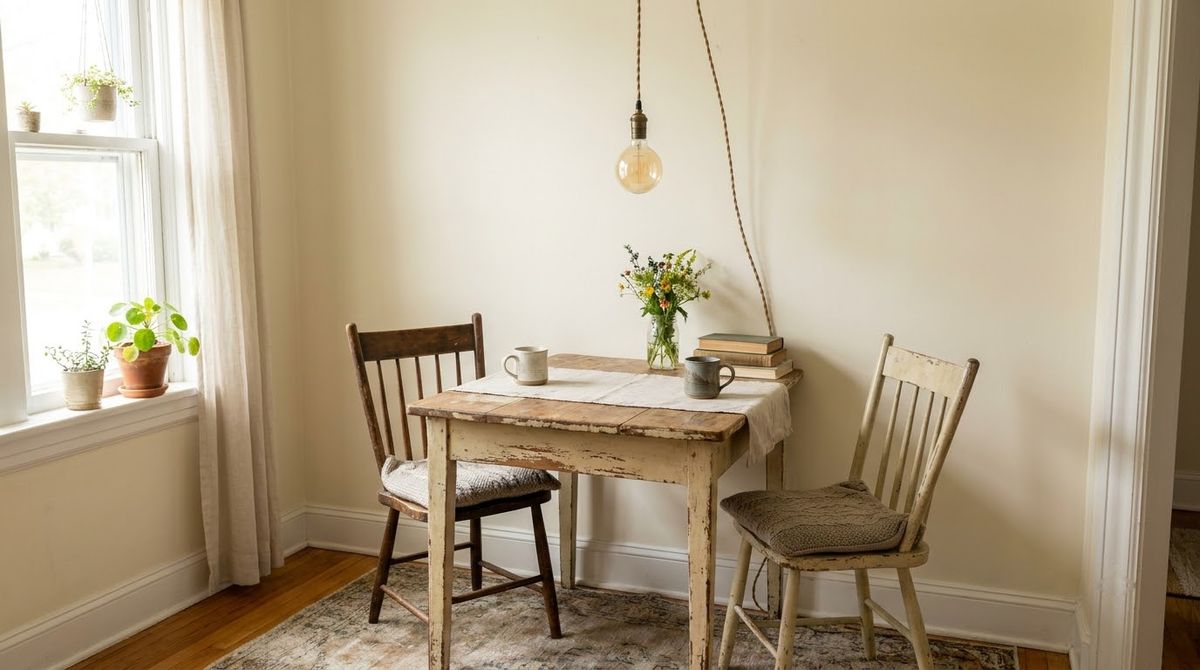
Starting point: a small table under a plain ceiling light. Swaps: a rattan pendant that diffuses light into a woven pattern. IKEA’s KAPPELAND/HAVSDJUP pendant comes in an 11 3/8 inch size at $61.99 and an 18 inch size at $71.99. Cost: $61.99. It mounts with screws into the ceiling, so renters need permission or should choose the floor-lamp plan (idea 21).
10. The Mismatched Open Shelf
Starting point: open kitchen shelves with mixed dishes and plastic containers. Swaps: move the plastic away and stack a matching set of cream stoneware bowls with a plain pitcher on top. A single color family makes the shelf read as one display. Cost: Walmart listed Pioneer Woman Colette cream stoneware dinner bowls (set of four) at $18.98. Keep the plates you use daily in the front.
11. The Mug Wall
Starting point: mugs stacked in a cabinet while the wall is blank. Swaps: a row of small adhesive hooks under a shelf or on a wall strip, with four cream mugs hanging. Mugs on hooks become the decor and free cabinet space. Cost: a Pioneer Woman cream stoneware mug set at $17.98 plus a $9.28 pack of Command small hooks is $27.26 at Walmart. Check each hook’s weight rating against a full mug.
12. The Counter Tea Station
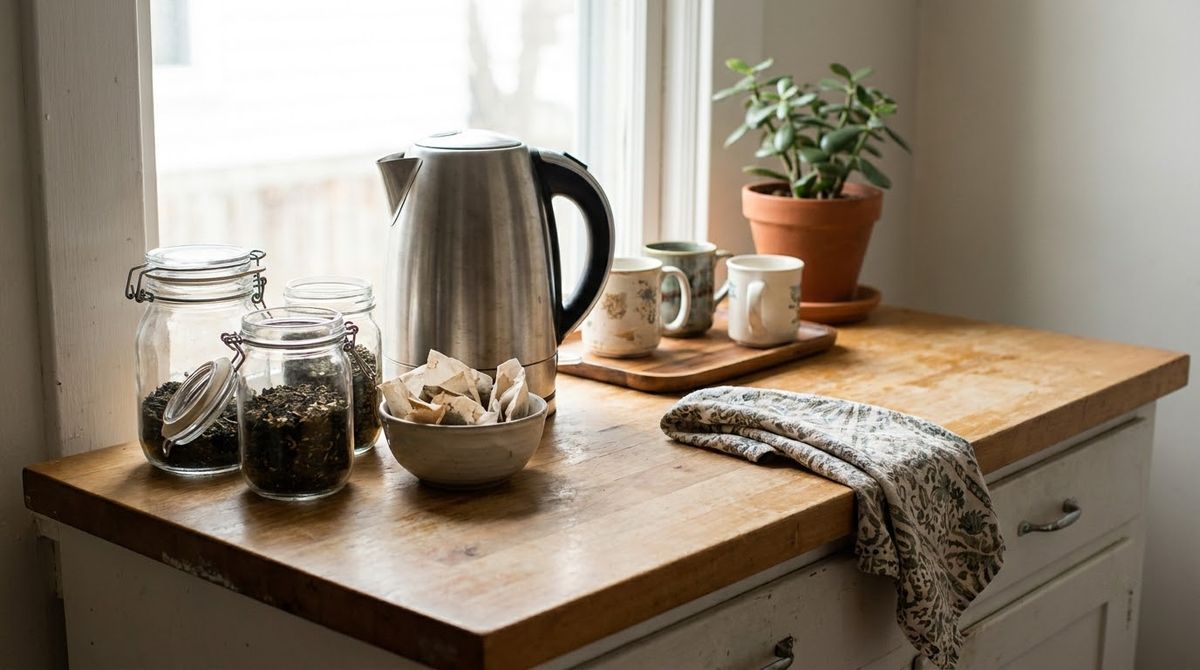
Starting point: a kettle and loose tea bags on the counter. Swaps: a handled rattan tray holding a kettle, two mugs and a small canister of tea. A tray defines the station and moves for cleaning. Cost: a Walmart handled rattan tray at $14.99 plus the $17.98 cream mug set is $32.97. Stay clear of the stovetop and keep the tray at least a few inches from heat.
13. The Bare Kitchen Window
Starting point: a window with a plain blind or nothing. Swaps: a short sheer cafe curtain on a tension rod that sits inside the frame. It softens the light and adds privacy without drilling. IKEA’s RITVA pair in 57 x 65 inches was $29.99, and Walmart listed a 28 to 48 inch tension rod at $2.54. Cost: $32.53.
Bathroom, Entry and Hall Makeovers
Small, high-traffic spots look more finished with one or two soft pieces. The plans below fit in rentals too.
14. The Cluttered Bathroom Counter
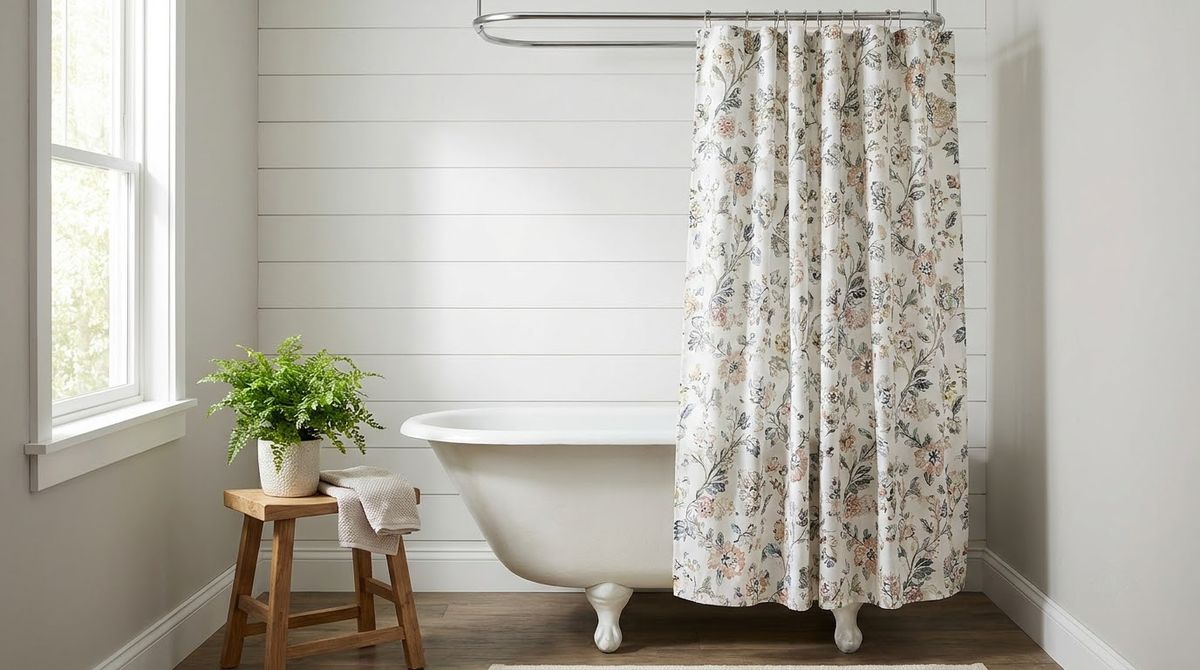
Starting point: bottles, a pump dispenser and cotton rounds scattered across the counter. Swaps: a tray holding the daily bottles, a jar for cotton rounds and one small plant. A tray makes the group look like one object. Cost: a Walmart handled tray at $14.99 plus a Home Depot pothos at $18.69 is $33.68. Keep the plant in bright indirect light and away from steam, since bathroom humidity varies.
15. The Entry With No Mirror
Starting point: a blank wall by the door. Swaps: an arched wood-frame mirror leaned against the wall. The arch softens straight door lines, and a mirror bounces light in a small hall. Cost: Walmart listed 30 x 20 inch arched wood mirrors from about $80 to $100. Leaning avoids drilling. Use furniture pads under the bottom edge to protect the floor. See more in our entryway decor ideas.
16. The Entry With Nowhere for Coats
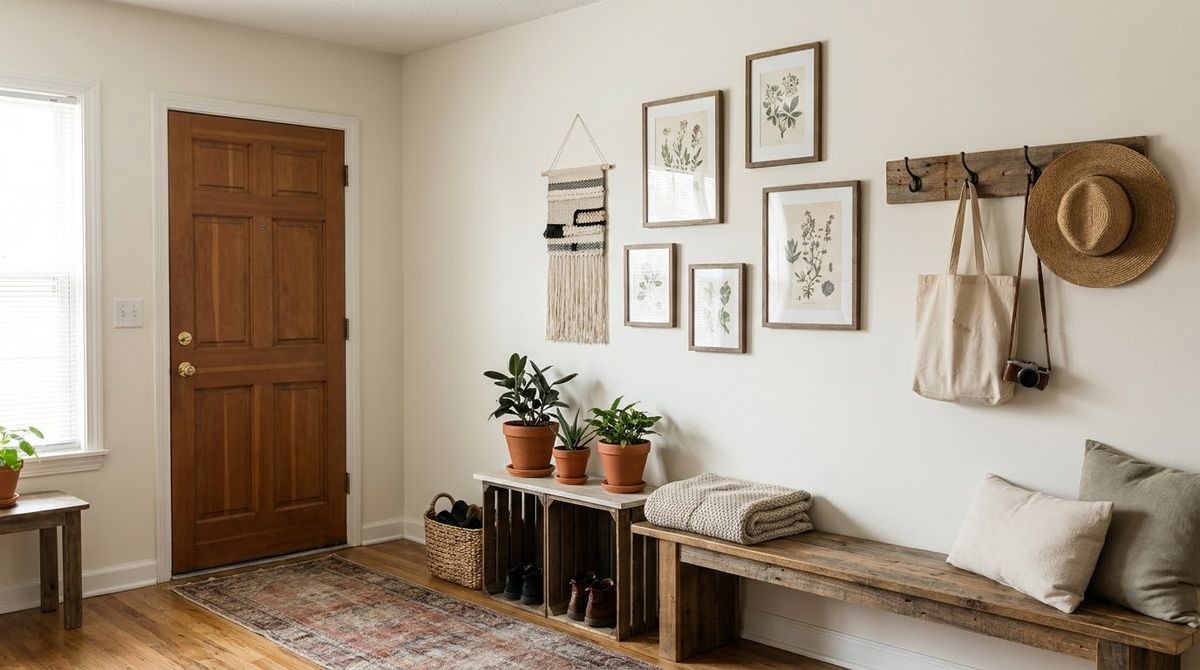
Starting point: coats on a chair. Swaps: adhesive hooks for coats and a wicker basket on the floor for shoes or scarves. A basket hides clutter in a woven material that matches the style. Cost: a $9.28 hook pack plus IKEA’s KNIPSA basket at $29.99 (12 1/2 x 13 x 12 1/2 inches, online minimum order of two) is $39.27 for one basket.
17. The Empty Hallway Wall
Starting point: a long hall with nothing on it. Swaps: three floating shelves in a staggered line, each holding a small plant, a stack of books or a ceramic piece. Staggering keeps it from looking like a rail. Cost: a Walmart HONEIER 20-inch white set of three at $22.99 plus a four-pack of Home Depot pothos at $22.27 is $45.26. Shelves mount with screws, so renters should ask first. See our floating shelf guide.
18. The Bare Front Door
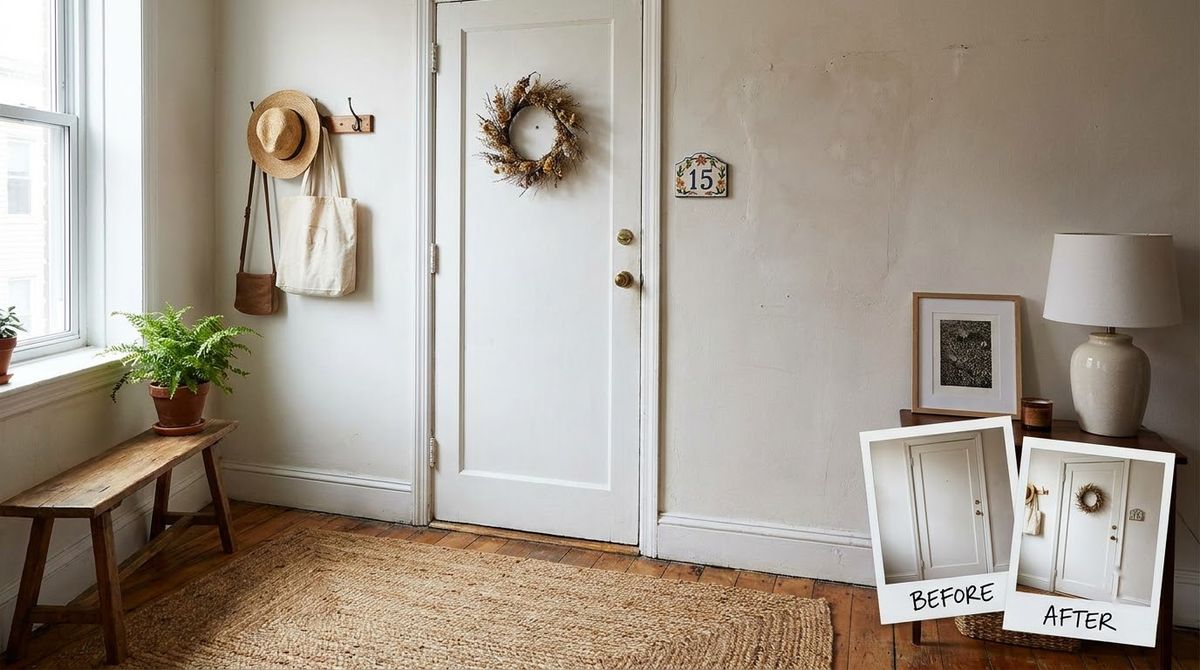
Starting point: a flat door seen from the hall. Swaps: a dried lavender wreath hung on one adhesive hook, centered about 60 inches from the floor. Pick a light wreath so the hook holds it. Cost: a Walmart two-pack of dried lavender at $12.99 plus one hook from a $9.28 pack is $22.27. Keep it away from a hot lamp or radiator so the stems do not dry out faster.
Small-Space and Rental Makeovers
These plans are for dorms, studios and shared apartments. They rely on leaning, plug-in lighting and adhesive hooks, so nothing needs a landlord’s sign-off unless flagged.
19. The Dorm Bed Wall
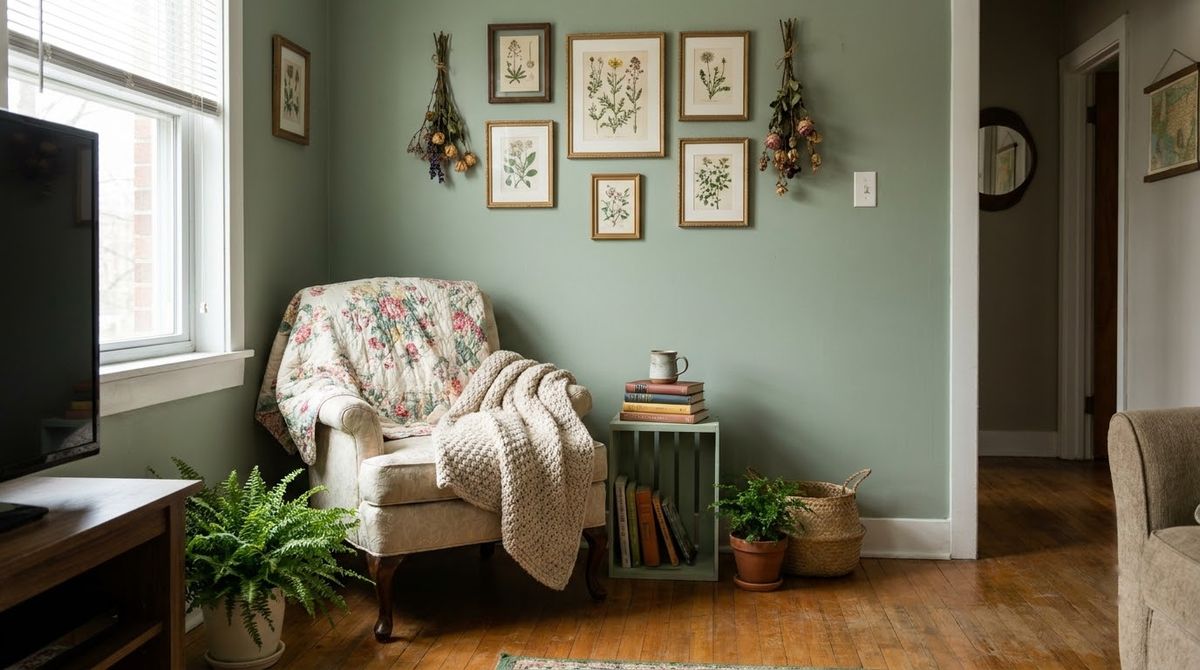
Starting point: a bed against a bare wall with an overhead fluorescent light. Swaps: a short picture ledge with two leaning prints, a warm fairy light strand and hooks to hang it. Warm light replaces the harsh ceiling light at night. Cost: a MOSSLANDA ledge at $9.99, a 33-ft battery fairy light strand at $10 (Walmart) and $9.28 for hooks is $29.27. Check your housing rules before screwing in a ledge.
20. The Desk With Cables and Papers
Starting point: a desk covered in cables and sticky notes. Swaps: a tray for small items, a pitcher for pens and a pothos at the corner. These three pieces give the desk an edge and a plant without taking much space. Cost: a $7.99 tray, a $16 pitcher and a $18.69 pothos is $42.68. Keep the plant out of the cable path.
21. The Rental With Only an Overhead Light
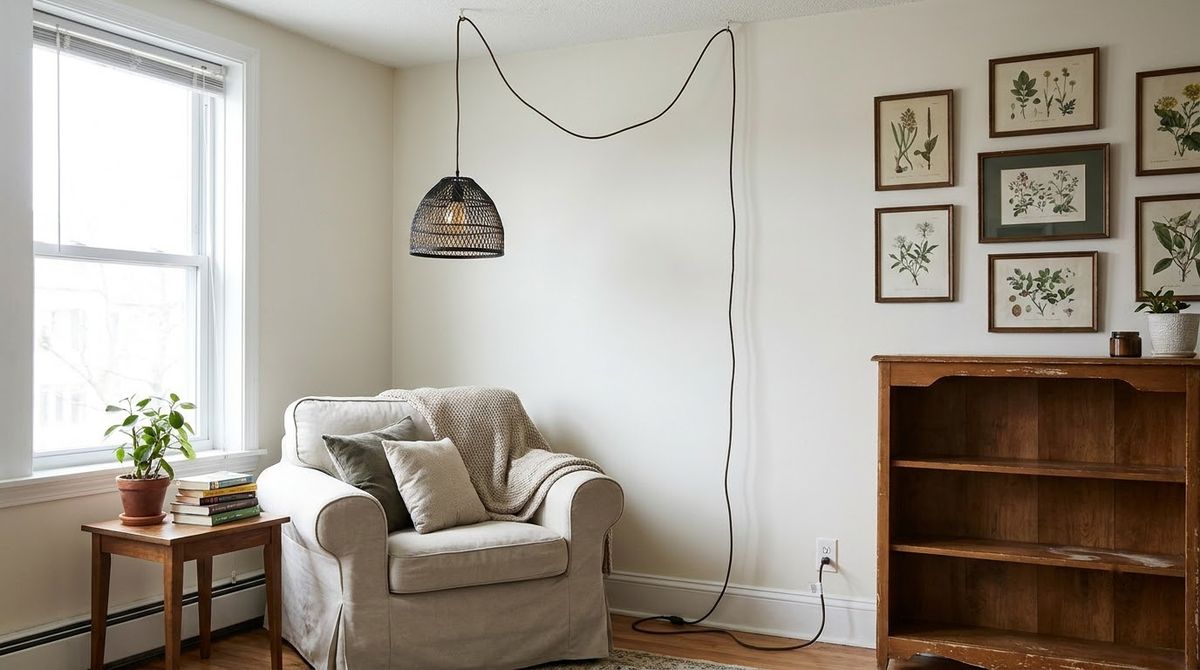
Starting point: one ceiling fixture and no outlets near the seating. Swaps: a floor lamp with a linen shade and a warm bulb, switched on instead of the ceiling fixture. It needs no wiring. Cost: Walmart listed a Sunmory arc floor lamp with a linen shade at $42.99 (down from $79.99). Choose a bulb at 2700K or lower to keep the light amber.
22. The Bare Balcony
Starting point: a small balcony with a chair and nothing else. Swaps: three terracotta pots by the door with herbs, set on a plant stand or the floor. Terracotta looks weathered over time, which suits the style. Cost: Walmart listed a three-pack of 4, 5 and 6 inch terracotta pots with saucers at $20.98, plus the herbs. Check your lease on balcony rules and weight limits.
Cost Snapshot
| Plan | Total | Main items |
|---|---|---|
| Bare sofa (1) | $64.98 | 2 linen covers, knit throw |
| Coffee table (2) | $23.99 | tray, pitcher |
| Bookcase (5) | $40.87 | bookcase, floral paper |
| Dining table (8) | $39.99 | tablecloth, pitcher |
| Breakfast nook (9) | $61.99 | rattan pendant |
| Bathroom counter (14) | $33.68 | tray, pothos |
| Dorm wall (19) | $29.27 | ledge, lights, hooks |
Frequently Asked Questions
How much does a cottagecore room makeover cost?
Based on the plans above, a single surface or corner costs about $19 to $65 and a larger swap such as a mirror, pendant or lamp costs about $60 to $100. A full room that combines three or four plans can reach $150 to $250. Add up the plans you pick before you buy.
Can I do cottagecore in a rental without losing my deposit?
Yes. Plans 2, 3, 6, 8, 10 to 16, 18, 20 and 21 use leaning, adhesive hooks, trays, rugs or plug-in lamps. Plans that use screws (4, 9, 17 and the ledge in 19) are flagged, so ask your landlord first. See our rental decor guide.
What makes a cottagecore room look fussy, and how do I avoid it?
Too many patterns at the same scale. Use one larger floral or print, keep the rest solid and textured, and stay within three colors. If the room feels busy, remove one patterned item before adding another. Our cottagecore decor mistakes guide lists the common ones.
Which changes give the biggest effect for the least money?
Soft goods and plants. Cushion covers, a throw, a tray with a pitcher and a pothos cost $19 to $65 and change what you see first. Furniture is the most expensive and least necessary change. Start with the surface you see every day.
Do I have to paint or buy new furniture for cottagecore?
No. Each plan above works with the furniture you have. Soft textiles, dried stems, ceramics and woven materials do most of the work. If you want one bigger purchase later, a rug or a lamp changes a room more than a chair. The cottagecore decor guide covers the full system.
Start With One Plan
Choose the surface you look at most, such as the sofa, the coffee table or the entry, and follow its plan this week. Add the next one when the first feels done. For a larger budget plan, read the cottagecore decor budget guide, or browse thrift and vintage cottagecore finds to cut the prices above further.
Prices checked October 2026.